
Fi Ultra adds Starlink backup to dog tracking in cell dead zones
The $199 pet tracker uses T-Mobile’s Starlink-powered T-Satellite service when LTE is unavailable, but testing found short battery life.
By Maya Lindqvist · Senior Technology Correspondent
3 min read
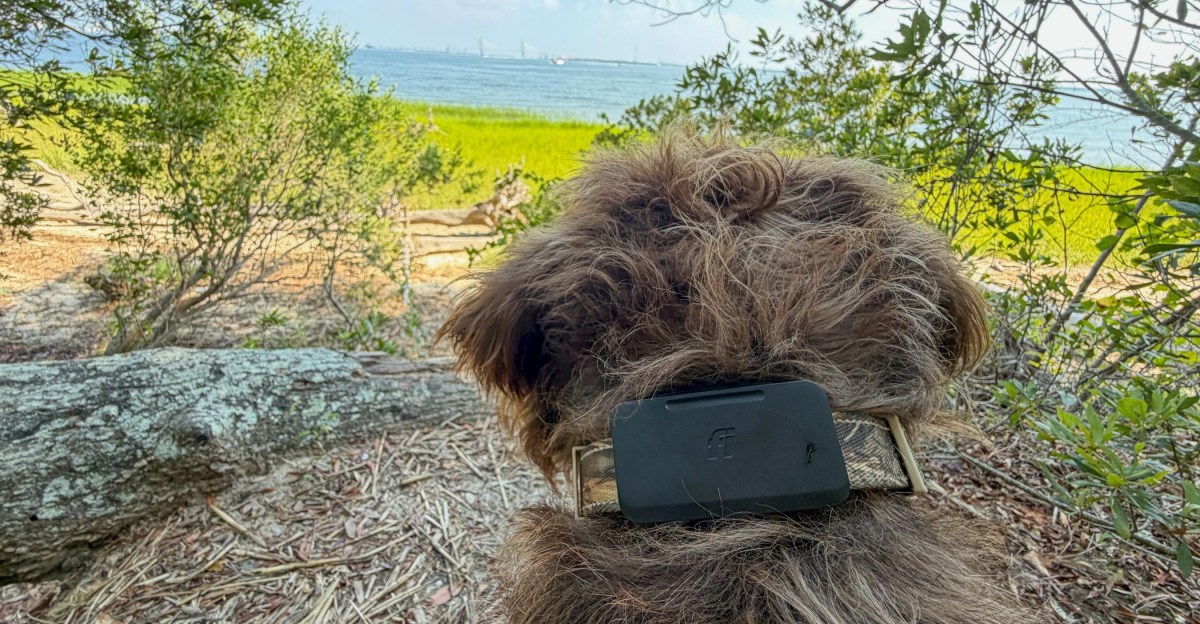
Fi has introduced the Fi Ultra, a dog tracker that can fall back to Starlink-powered satellite service when cellular coverage drops out. The device is aimed at owners who take dogs into remote areas where ordinary LTE-based trackers may lose contact, according to The Verge.
The Verge reported that Fi Ultra is the first pet tracker available to buy with support for T-Mobile’s T-Satellite direct-to-cell service, which uses SpaceX’s low Earth orbit Starlink satellites. Fi says the tracker also uses LTE, dual-band GPS, Bluetooth and Wi-Fi to locate a dog and improve positioning.
Price and hardware
Fi sells the Ultra for $199, with a $20 activation fee and a required $189 annual subscription, according to The Verge. The device can also be added to an existing Fi subscription for a $299 flat fee, and Fi says it can work alongside an existing Fi collar inside the app.
Fi describes the Ultra as built for “adventure dogs of any size,” according to The Verge. The tracker is designed to attach to a collar or harness the owner already uses, rather than requiring a dedicated collar.
The device measures 75mm by 40mm by 25mm and weighs 68 grams, The Verge reported. It has a 513 mAh battery, USB-C charging, IP68 and IP66K ratings for dust and water protection, and Fi says those ratings include saltwater exposure.
Fi also includes a vibration motor and speaker for a new shock-free Callback training feature, according to The Verge. The Fi app can show a dog’s location, set safe zones and send alerts when a dog leaves those areas.
How satellite tracking performed
In testing near South Carolina’s Francis Marion National Forest, The Verge said the tracker attached easily with a spring-mounted clasp, but appeared large even on an 80-pound wirehaired pointing griffon. The publication said the device’s width makes Fi’s “any size” claim harder to accept for very small dogs.
The Verge tested Lost Mode, which increases radio use to provide more frequent location updates. When the tracker connected through the Starlink-based T-Satellite network, the map refreshed about every two to three minutes, roughly matching the update rate The Verge saw with one bar of LTE.
The Verge said the satellite connection also stalled at times during a 30-minute live-tracking test, with a couple of reconnection gaps lasting nearly five minutes. Fi told The Verge the tracker prefers ground-based cell towers and may lag when it moves between satellite coverage and weak LTE, because even minimal LTE is usually more stable than satellite.
Battery life is the main tradeoff
Fi rates the Ultra for two days per charge, according to The Verge, but The Verge said its unit barely reached that mark during a week of use. The tracker needed daily charging after longer walks and charging every other day with lighter use, while one 30-minute live-tracking session consumed almost 20% of the battery.
The Verge reported that the Ultra recharged in under two hours over USB-C. Fi told the publication the shorter runtime comes from the power needed for satellite connectivity, cellular service and frequent high-accuracy location updates.
The Verge contrasted the Ultra with Fi’s Mini and Fi 3 Plus trackers, which can last several weeks on a charge and include health, sleep and behavior tracking. The Ultra offers fewer everyday features, but The Verge said its appeal is stronger for hiking, camping or other trips where losing LTE coverage is a real risk.
This story draws on original reporting from The Verge.