
Maine study outlines how rural schools can build outdoor programs
University of Maine research points to scheduling, community support and dedicated spaces as keys to expanding outdoor learning in schools.
By Priya Raghavan · Science Reporter
3 min read
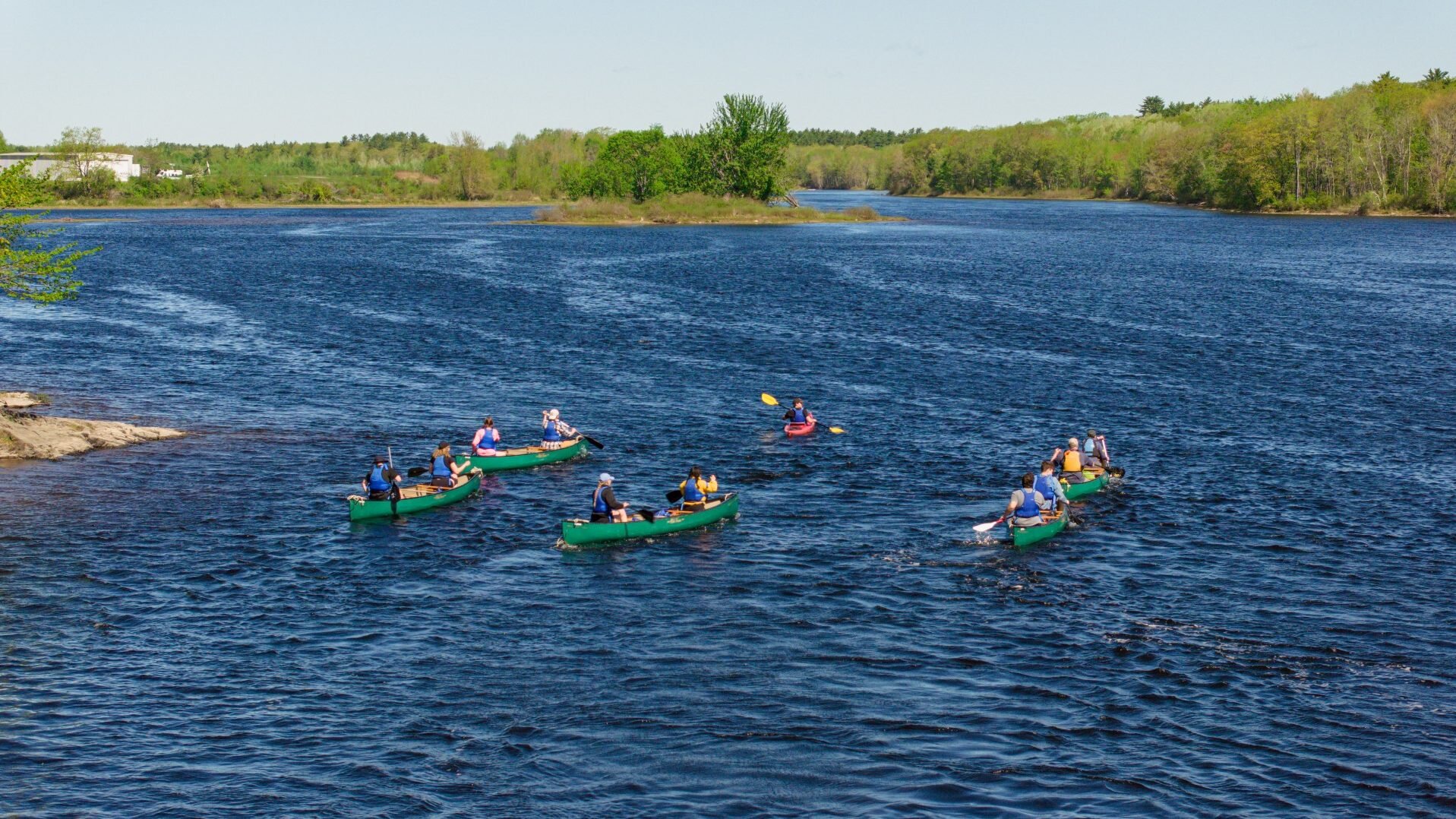
A University of Maine-led study says rural schools can expand outdoor education by treating it as part of the school day, not an add-on. The research, published in The Rural Educator, identifies practices that helped one Maine school make outdoor learning a regular feature across grades.
Lauren Jacobs, senior lecturer of outdoor leadership at UMaine and lead author of the study, examined how schools can overcome common barriers to getting students outside. According to UMaine, the work builds on Jacobs’ doctoral research, which looked at nine rural preK-12 schools in Maine during the 2021-22 school year.
The new study focused on a rural Maine school that Jacobs identified as a strong example because of the range of outdoor learning it offered. Through interviews with teachers, administrators, parents and community partners, and through observations during the school day, Jacobs found several factors behind the program’s success.
Those factors included broad community backing, cooperation among staff, outdoor spaces set aside for instruction and a school culture that supported learning beyond the classroom, according to UMaine. Jacobs also found that the COVID-19 pandemic pushed more instruction outdoors because outdoor settings carried lower transmission risk.
Jacobs said the school had outdoor activities built into physical education at every grade level, offered specific outdoor education courses in upper grades and included outdoor learning in general classroom instruction. UMaine said teachers also received professional development, while parents and other community members supported the effort.
Lessons from Maine schools
Stearns Junior-Senior High School in Millinocket was not part of Jacobs’ study, according to UMaine, but English teacher Anna Loome said it reflects many of the same traits. The school sits near paddling, mountain biking, skiing and hiking opportunities, including Baxter State Park.
Loome teaches middle and high school students outdoor skills such as wilderness preparedness, safety, map-based travel, trail construction and maintenance, outdoor cooking and seasonal recreation skills, UMaine reported. She has also taken students on overnight trips to Haskell Hut in Katahdin Woods and Waters National Monument.
UMaine said Stearns has dedicated outdoor learning areas and access to professional development connected to state and national learning standards. The school also works with outside groups, including the Northern Penobscot Tech Region 3 center in Lincoln, a community gear library in Millinocket and Friends of Katahdin Woods and Waters.
The Region 3 Outdoor Leadership and Skills Program helps juniors and seniors prepare for the Registered Maine Guide Exam, according to UMaine. Friends of Katahdin Woods and Waters supports place-based learning and has helped connect the school with equipment and learning opportunities.
Barriers and fixes
The study also found obstacles that schools must address. According to UMaine, time was both an asset and a barrier, especially for teacher training, measuring student outcomes and meeting curriculum requirements.
Other challenges included weather and making sure students and staff had suitable gear. Jacobs said the school in the case study addressed time pressures by scheduling physical education and science classes back to back, allowing students to spend more time outside with fewer transitions.
The school also created safer and more practical spaces for outdoor instruction, UMaine reported. Its outdoor classroom included woods, timber-frame structures, a garden, an orchard and a barn.
Jacobs recommends that schools make room for outdoor activities during the regular day, connect lessons to academic standards, design programs around local communities and plan for long-term sustainability. She said research has linked outdoor learning to fewer behavioral problems, stronger self-regulation, motor-skill development, social gains and possible help with chronic absenteeism.
This story draws on original reporting from Phys.org.