
Light-scanning egg study could help hatcheries identify male embryos
Researchers say an optical method may allow intact chicken eggs to be examined without breaking the shell.
By Tom Brennan · Health & Medicine Correspondent
3 min read
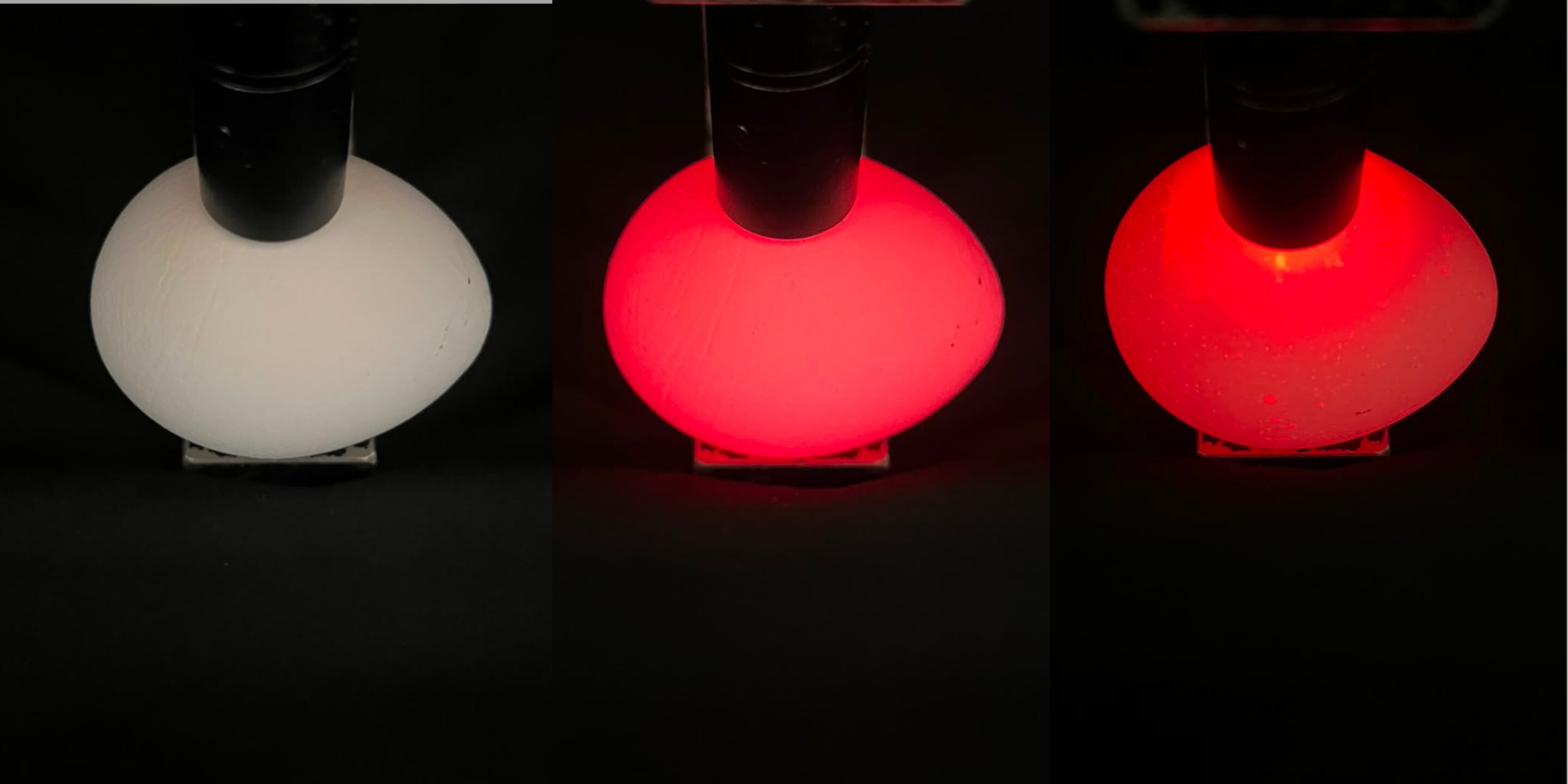
Researchers have shown that light can be used to examine intact chicken eggs, a finding that could help hatcheries identify male embryos before chicks hatch. The work matters because hatcheries kill large numbers of male chicks soon after birth, a practice animal welfare advocates oppose.
The study, published in Newton by researchers including Lennard van den Tweel of the Dutch hatchery technology company HatchTech B.V. and Vamshi Damagatla of Politecnico di Milano, examined how light behaves inside whole bird eggs. According to Cell Press, the technique may help determine an embryo’s sex, assess the contents of an egg and identify whether an intact egg has been fertilized.
Cell Press reported that more than 300 million male chicks are killed each year in European hatcheries alone. Male chicks do not lay eggs and, according to the report, do not grow quickly enough to be profitable for the industry.
Eggshells act like light chambers
The researchers studied visible and near-infrared light as it moved through unbroken chicken eggshells. They measured how long photons took to travel set distances inside whole eggs, both before incubation and during the first eight days of embryonic development, according to the study.
The team found that an intact eggshell can keep light bouncing inside the egg in a way similar to an integrating sphere, a device that scatters and mixes light within an enclosed space. Cell Press said photons traveled as far as 2 meters inside a chicken egg whose interior is about 4 centimeters across.
Damagatla said the team was impressed by how effectively the shell held photons inside the egg. He said a 2-meter path length is unusually long for a natural material and that the finding helped explain earlier observations that had been attributed to fluorescence.
Optical spectroscopy is already used in fields including medicine, agriculture and environmental monitoring, according to the report. Van den Tweel said light-based methods have been applied to eggs before, but the way light moves through an egg has received limited attention.
Potential uses and limits
Van den Tweel said the newly observed behavior could make it possible to inspect eggs without damaging them while embryos are developing. He linked that possibility to efforts to address the ethical problem of killing male chicks after hatching.
The researchers did not report a finished commercial sex-detection system. Van den Tweel said the optical behavior of chicken eggs is complex and will require more work to separate different signals and improve the method’s sensitivity.
The team also plans to study how the photon behavior changes over the course of embryo development and to examine the optical properties of individual egg components, according to Cell Press. Damagatla said the highly scattering shell may have evolved to shield embryos from ultraviolet light or reduce heat loss when parent birds leave the nest to forage.
This story draws on original reporting from Phys.org.