
Jackfruit latex gel shows early promise for repairing gum disease damage
Brazilian researchers say a biomaterial made with jackfruit latex, pomegranate peel and simvastatin promoted bone-forming activity in lab tests.
By Priya Raghavan · Science Reporter
3 min read
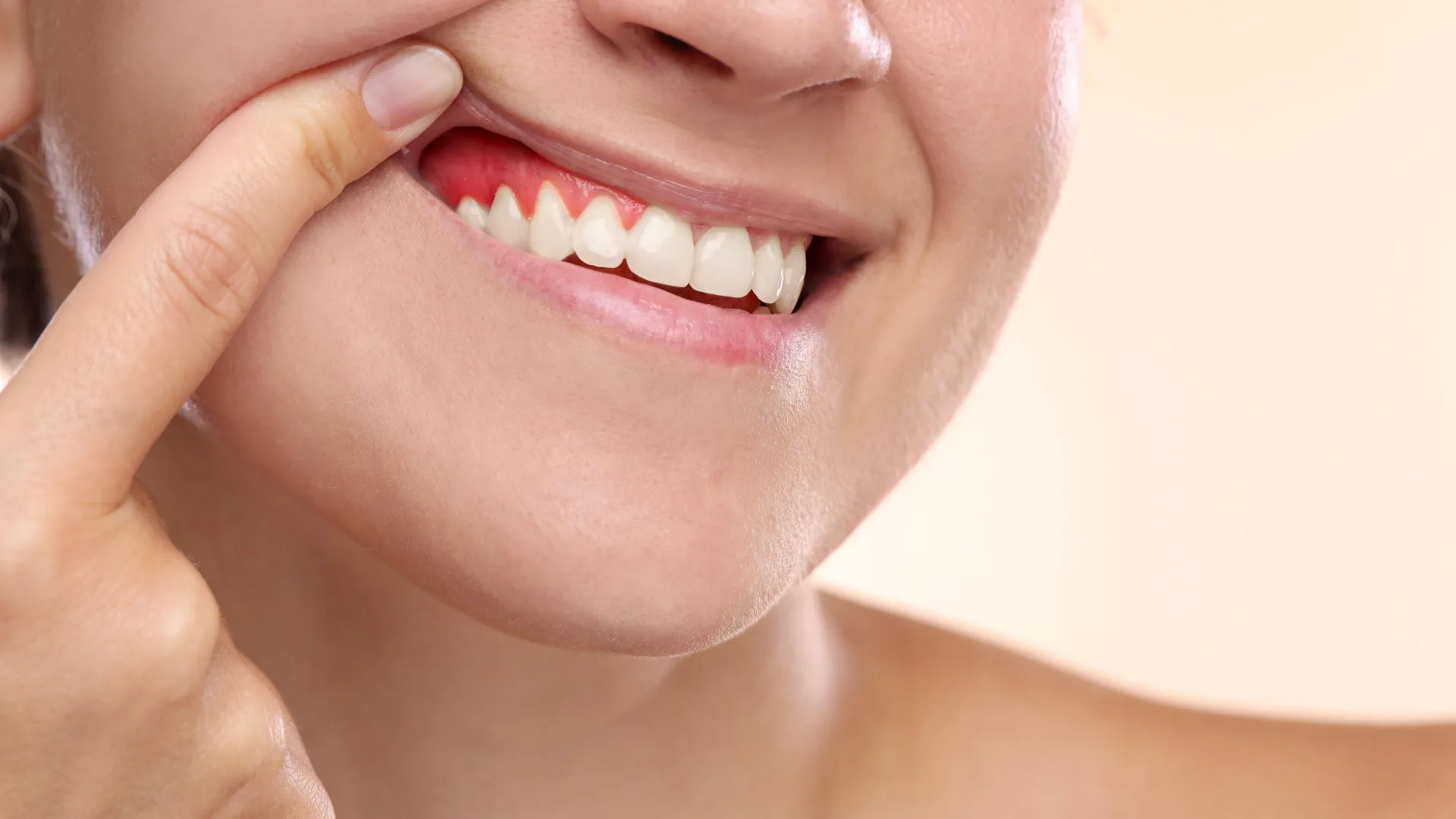
Researchers in Brazil have developed a gel-like biomaterial that may help treat severe gum disease by targeting infection, inflammation and tissue loss at the affected site. The work matters because current treatments for periodontitis can control disease activity but usually do not rebuild the bone and tissue already damaged, according to Fundação de Amparo à Pesquisa do Estado de São Paulo, or FAPESP.
The material combines latex from jackfruit, pomegranate peel extract and simvastatin, a statin-based drug commonly used to lower cholesterol. FAPESP said the system was designed by researchers at the Faculty of Medical and Health Sciences at the Pontifical Catholic University of São Paulo in Sorocaba.
The study was published in Polymer Bulletin, according to FAPESP. Eliana Aparecida de Rezende Duek, a professor in the school’s Department of Surgery, coordinated the research, which FAPESP supported through two projects.
Why periodontitis is hard to repair
Periodontitis is a long-term inflammatory disease driven by infection, FAPESP said. As it progresses, it can damage the structures that support teeth, causing bone loss and weakening the attachment between teeth and surrounding tissue.
Standard care focuses on reducing infection and inflammation. Other methods, including guided tissue regeneration and bone grafts, have been investigated, but FAPESP said their outcomes can vary and may be difficult to predict.
The Brazilian team looked for a material that could act locally and address several parts of the disease process at once. According to FAPESP, the researchers chose jackfruit latex in part because its adhesive qualities could help it remain at the diseased site longer, allowing more focused release of therapeutic compounds and potentially reducing reliance on systemic antibiotics.
How the material works
The researchers manually collected latex from freshly harvested jackfruit and purified it, FAPESP said. They then added pomegranate peel extract, which has antimicrobial properties when used topically, and incorporated simvastatin into the gel.
Simvastatin was included because it has anti-inflammatory activity and has been studied for its ability to stimulate bone formation, according to FAPESP. Local delivery could also address a limitation of oral simvastatin: FAPESP said most of the drug is retained by the liver, leaving only a small amount in circulation and sometimes requiring higher doses that raise the risk of side effects, including acute muscle degeneration.
The result was a mucoadhesive matrix intended to act directly on damaged periodontal tissue. The researchers conducted physicochemical and biological analyses to study its structure and behavior under laboratory conditions, FAPESP said.
Lab tests showed bone-forming activity
In an in vitro study using human adipose-derived stem cells, the team added simvastatin to the gel at concentrations of 0.3%, 0.6% and 1.2%. FAPESP said those levels did not change the gel’s structure and were considered technically safe.
All three concentrations promoted osteoinduction, the process that encourages cells to develop toward bone-forming tissue, within 14 days, according to FAPESP. The effect was stronger after 21 days, supporting the material’s possible use in periodontal applications.
Duek said, according to FAPESP, that the findings were encouraging and pointed to possible future uses in periodontitis and other areas, especially because jackfruit latex has drawn limited attention in biomedical research. She also said further studies are continuing to assess the system’s efficacy and safety before any clinical use.
This story draws on original reporting from ScienceDaily.