
Home heat comfort depends on more than air conditioning, study finds
A Singapore study links indoor heat comfort to airflow, habits, family routines and exposure to outdoor conditions, not just temperature.
By Priya Raghavan · Science Reporter
3 min read
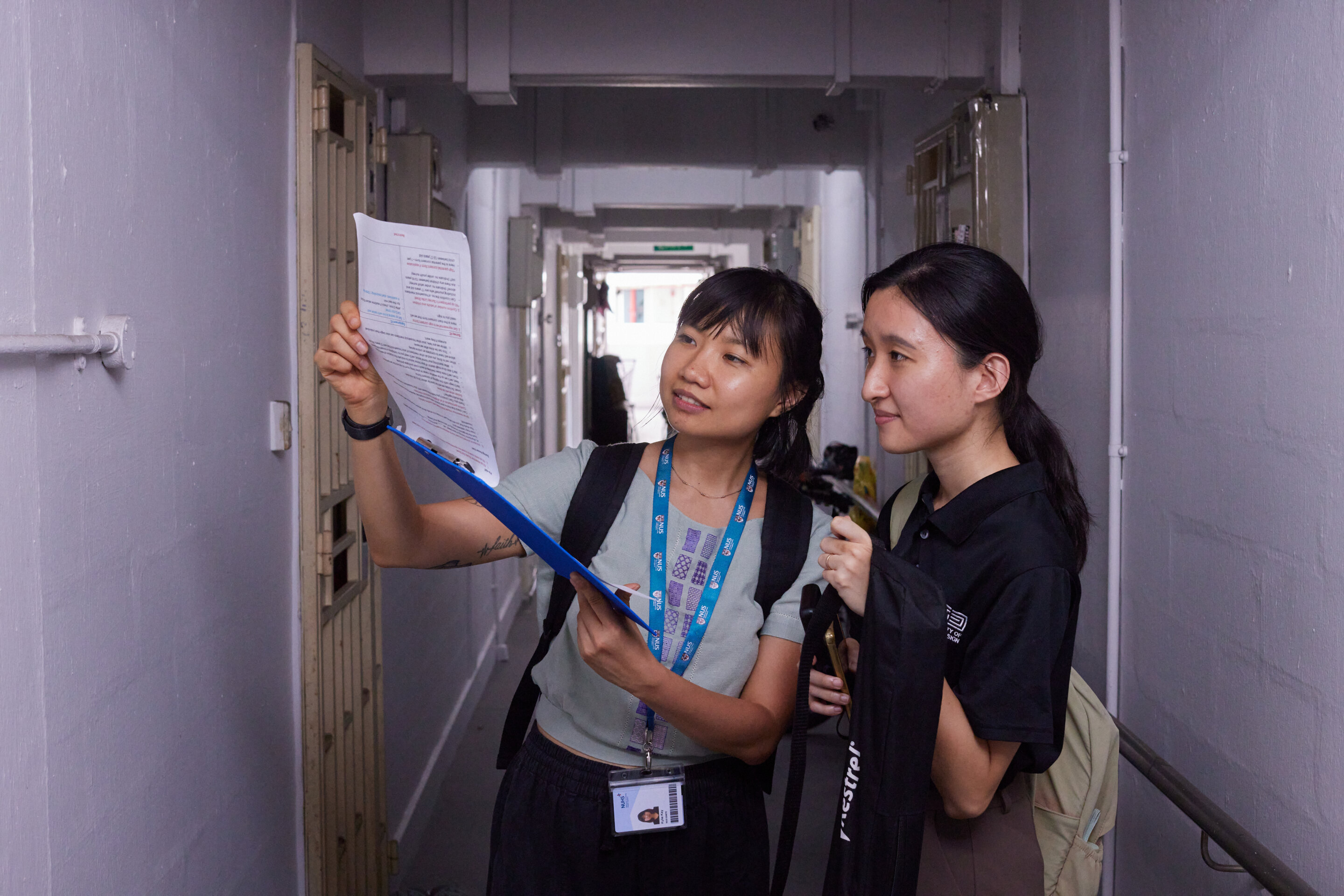
Heat discomfort at home is shaped by more than the thermostat or whether an air conditioner is running, according to researchers at the Singapore University of Technology and Design. Their findings matter for cities such as Singapore, where many residents move daily between hot outdoor spaces and cooled indoor rooms.
The study, led by Dr. Sarah Chan of SUTD’s Lee Kuan Yew Centre for Innovative Cities, examined how people experience and manage heat in Singapore’s high-rise homes. Published in Urban Climate, the research drew on surveys of more than 1,000 respondents in 416 households, along with home audits, onsite temperature readings and detailed interviews with 13 families.
Seven in 10 respondents said they felt warm or hot at home when air conditioning was not in use, according to SUTD. The researchers found that those experiences were tied not only to indoor temperature, but also to airflow, daily routines, household relationships and the surrounding environment.
Chan described the pattern as “conditioned comfort,” meaning people’s sense of heat and relief reflects their expectations, living conditions and past exposure to warmth as well as their access to cooling devices. Under that view, two residents in similar flats may respond differently to the same conditions, and people sharing one home may disagree about what feels comfortable.
Most research on urban heat looks at outdoor areas such as streets, neighborhoods and infrastructure, SUTD said. This study turned attention indoors, where residents make daily choices about windows, fans, air conditioning, furniture placement and shared rooms.
The team found that people who spent more time outside tended to report feeling more comfortable indoors without air conditioning. Homes where windows stayed closed more often, or where furniture and belongings blocked airflow, were more likely to be reported as hot.
Opening windows was not always a practical answer. Residents may keep them shut because of noise, insects, air pollution or odors, according to the study. Over time, those closed windows and blocked air paths can make rooms warmer, even if residents do not connect those conditions with how hot they feel.
The research also found that cooling choices are often negotiated inside families. Nighttime air conditioning may become routine because one household member wants a colder room, while another may find the setting uncomfortable. Couples may change thermostat settings, use fans, compromise or sleep in separate rooms, according to the researchers.
Dr. Joshua Sim, a senior research fellow at the National University of Singapore’s Yong Loo Lin School of Medicine, said heat resilience has to be understood through ordinary household life. He said air conditioning remains important for sleep, health and comfort, especially when heat becomes unsafe, while researchers also need to study how comfort habits form and how lower-energy cooling can be supported.
The researchers cautioned that household behavior cannot solve indoor heat on its own. Housing quality, neighborhood temperatures, income, health needs and access to cooling all affect how people cope, SUTD said.
The team said home design, renovation advice and public education could give more attention to airflow, furniture layout, window use and the combined use of fans and air conditioning. Researchers are also developing tools to help residents see how heat and air move in their homes and test small changes as part of everyday household decisions.
This story draws on original reporting from Phys.org.