
Heavy cannabis smoking tied to higher cancer risk in USC studies
USC researchers report links to lung and head and neck cancers, while questions remain on dose, edibles, vaping and secondhand smoke.
By Lucas Ferreira · Science & Environment Writer
3 min read
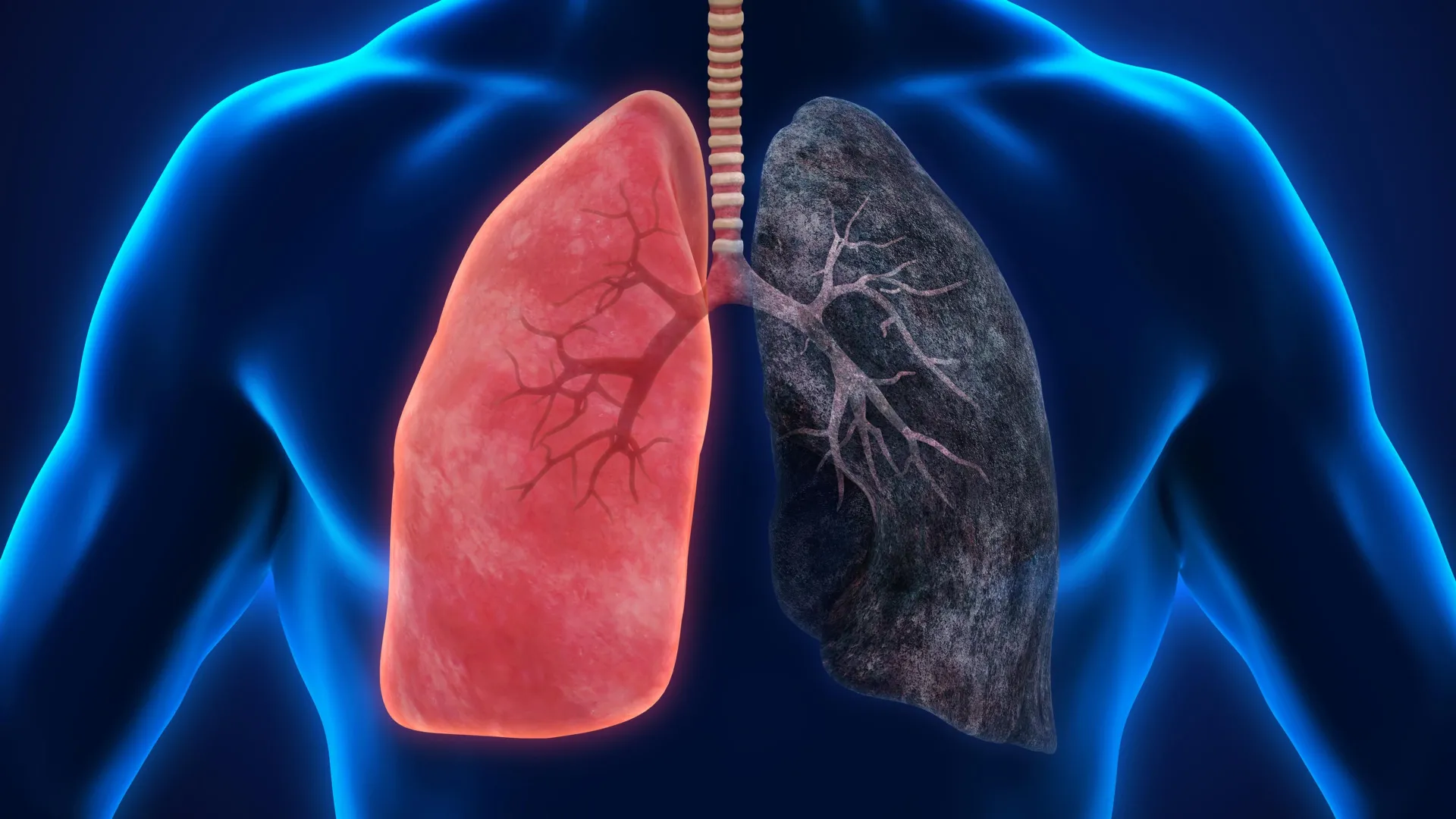
Heavy marijuana smoking is associated with higher risks of lung cancer and several head and neck cancers, according to research reported by Keck School of Medicine of USC. The findings matter as cannabis use expands, because researchers say they still lack clear answers on how much exposure raises risk and whether newer forms of use carry the same dangers.
A Keck Medicine team led by Niels Kokot, an otolaryngologist at the USC Caruso Department of Otolaryngology — Head and Neck Surgery, found that people who smoked large amounts of marijuana appeared more likely to develop both small cell lung cancer and non-small cell lung cancer. ScienceDaily reported the findings from materials provided by Keck School of Medicine of USC.
In separate work, Kokot and colleagues reported that daily marijuana users were 3.5 to 5 times more likely than nonusers to develop head and neck cancers. Keck said those cancers include tumors of the mouth, pharynx, larynx, oropharynx and nearby salivary glands.
Researchers still do not know the dose threshold
Brooks Udelsman, a thoracic surgeon with USC Surgery at Keck Medicine of USC, said the evidence does not yet show how cancer risk changes at different levels of marijuana use. He said researchers have stronger signals among people with heavy use, including people whose cannabis use has reached dependency or required medical evaluation.
Udelsman said occasional use may carry little risk, but he described that view as a suspicion rather than a settled finding. According to Keck, scientists are still examining whether heavy marijuana use is connected to other cancers, including bladder and gastrointestinal cancers.
Keck said tobacco smoking is a known cause of lung cancer, while the cancer risks from marijuana remain less defined. Udelsman said researchers are trying to identify those risks so users can make better-informed decisions.
Smoke is the main concern
Udelsman pointed to inflammation and DNA damage as possible pathways by which marijuana smoke could contribute to cancer. According to Keck, tobacco smoke contains more than 7,000 chemicals, roughly 70 of them associated with cancer, and some of the same chemicals are present in marijuana smoke.
Keck also reported that THC, marijuana’s main psychoactive compound, is associated with conversion of polycyclic aromatic hydrocarbons, or PAHs. Udelsman said those compounds can promote inflammation and DNA changes, both of which are linked to cancer development.
Edibles have not been linked to lung cancer so far, according to Udelsman. He said data on edible cannabis remain limited, and Keck reported that researchers do not yet know whether edibles may be associated with other cancer types.
Vaping and secondhand smoke remain open questions
Keck said there is not enough evidence to confirm that secondhand marijuana smoke raises lung cancer risk. Udelsman said it could still pose some risk if bystanders inhale inflammatory particles thought to play a role in cancer development.
Researchers also lack long-term cancer data on marijuana vaping, according to Keck. Udelsman said doctors are seeing severe inflammatory lung diseases tied to vaping, though Keck said those illnesses are not cancers.
Udelsman said vaping has been common for only about 15 years, limiting researchers’ ability to assess long-term cancer outcomes. He said he is concerned about inhaling substances into the lungs because they can reach lung cells and air sacs and may cause injury.
The lung cancer study was published in Lung Cancer in 2026. The head and neck cancer study was published in JAMA Otolaryngology–Head & Neck Surgery in 2024.
Keck said people who use marijuana heavily should discuss that use with a health care provider. A clinician can assess personal risk and decide whether screening or follow-up is appropriate, according to Keck.
This story draws on original reporting from ScienceDaily.