
Researchers urge trust-building as hazard warnings grow more frequent
After a Wellington evacuation drew criticism, researchers say warning systems need clearer explanations and public review to protect trust.
By Tom Brennan · Health & Medicine Correspondent
3 min read
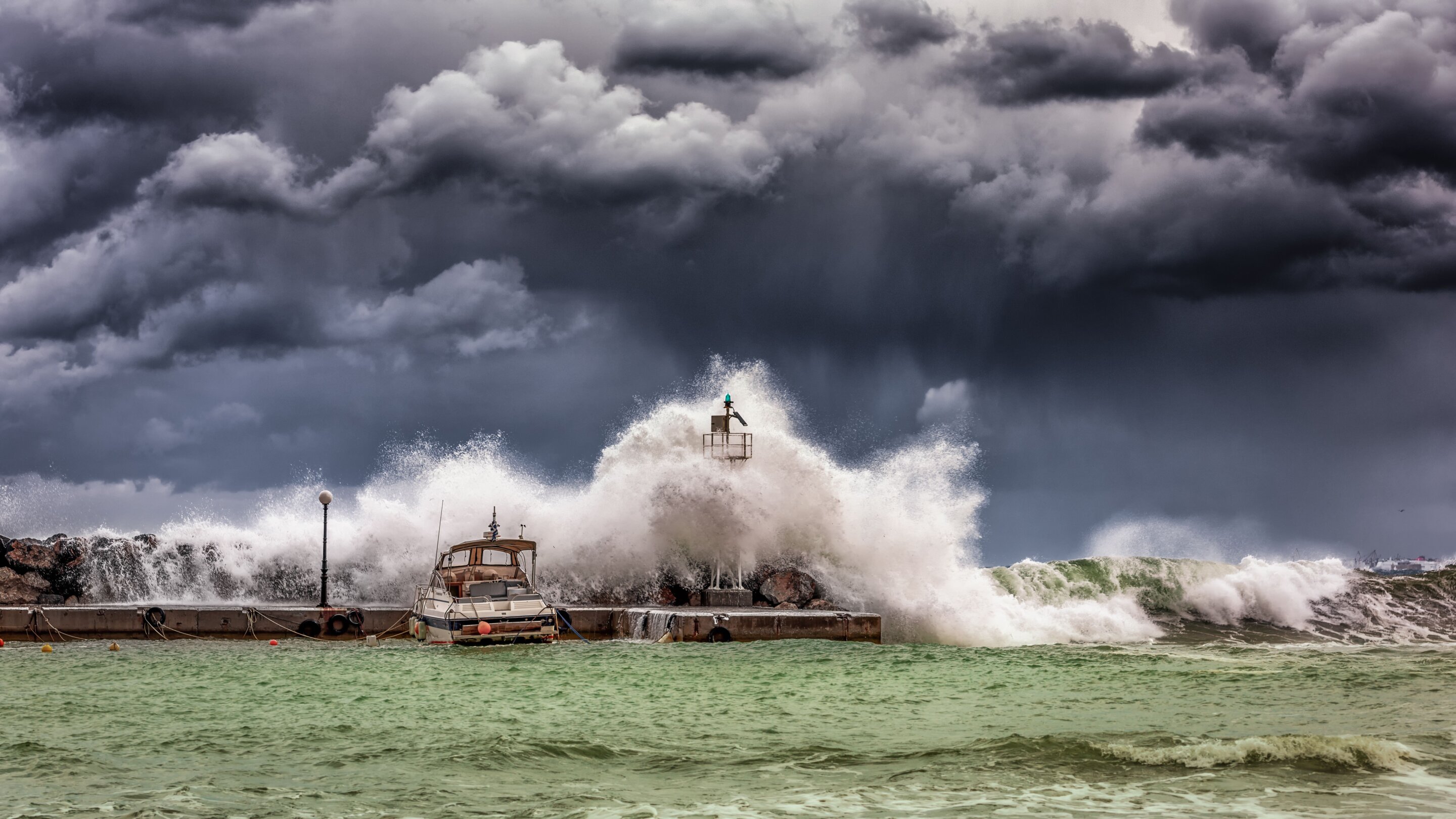
Wellington’s recent coastal emergency has renewed debate over how authorities should warn the public when severe weather forecasts point to danger but damage ends up limited. Researchers writing in The Conversation say more frequent climate-related hazards will require warning systems that explain uncertainty, justify decisions and maintain public trust after events pass.
Earlier in June, Wellington declared a local state of emergency and issued evacuation orders after forecasts warned that powerful swells could flood coastal properties, according to RNZ. Hundreds of residents left the area, but when inundation and damage were limited, RNZ and social media users questioned whether officials had overreacted and risked creating “emergency warning fatigue.”
Shaun Eaves, Cathrine Dyer and James Renwick argued in The Conversation that the issue is less about avoiding caution and more about building confidence before, during and after hazardous events. They point to “relational governance,” a model that emphasizes shared responsibility among communities, scientists and government agencies.
Forecasts carry uncertainty
The researchers said science gives probabilities rather than guarantees. In Wellington’s case, they said scientists had strong grounds to expect large waves because a sustained southerly airflow stretched about 2,000 kilometers from near Antarctica past the eastern coast of New Zealand’s North Island.
Those conditions can generate damaging swells, and the event was extreme by wave measurements. The researchers said a buoy recorded a maximum wave height of about 10 meters, while peak averages were closer to 4 meters.
Local flooding and damage, however, depend on more than wave size. The Conversation authors said tide levels, coastal shape, underwater terrain and small shifts in a storm’s development can all change outcomes, and models do not capture every factor perfectly.
That leaves officials making high-stakes decisions without certainty. A precautionary order can later look excessive if damage is avoided or if the hazard does not reach the worst forecast scenario, the researchers said.
Trust affects whether warnings work
The authors discussed the “cry wolf” concern, in which repeated false alarms are thought to weaken public response. They said research across psychology, economics, sociology and hazard management suggests false alarms do not necessarily reduce compliance when people understand why a warning was issued.
Social ties, past disaster experience and trust in institutions all affect how people respond, according to the researchers. They warned that when confidence in authorities is contested, hazard warnings can become tied to political arguments over competence, legitimacy and government reach.
They cited ex-tropical cyclone Vaianu in April 2026, when a red warning covered the North Island because of uncertainty over its track and possible severity, according to RNZ. Some Hawke’s Bay councils declared local states of emergency, while one mayor declined to do so and described the response as “woke,” RNZ reported.
The researchers said similar dynamics have been observed around pandemics, wildfires and floods. In their view, the risk may be better described as “institutional trust fatigue” than warning fatigue.
After-event reviews proposed
New Zealand emergency declarations are mainly legal and operational tools, not communication tools, the authors said. They argued that authorities should pair warnings with clear public explanations and accessible post-event reviews.
California’s emergency management system already requires timely public after-action reports that examine what happened, which decisions were made, how actions performed and what lessons emerged, according to The Conversation authors. They said such reviews can still fall short if they focus mainly on agency learning rather than public legitimacy.
The researchers said iwi and community groups should help design warning frameworks, including the thresholds that trigger action. As climate hazards become more common, they argued, stronger relationships between agencies and communities may be as necessary as the alert systems themselves.
This story draws on original reporting from Phys.org.