
Boat carvings suggest Bronze Age sea links across Europe
A PLOS One study compares Iberian and Scandinavian rock art, finding shared boat motifs that point to long-distance maritime connections.
By Tom Brennan · Health & Medicine Correspondent
3 min read
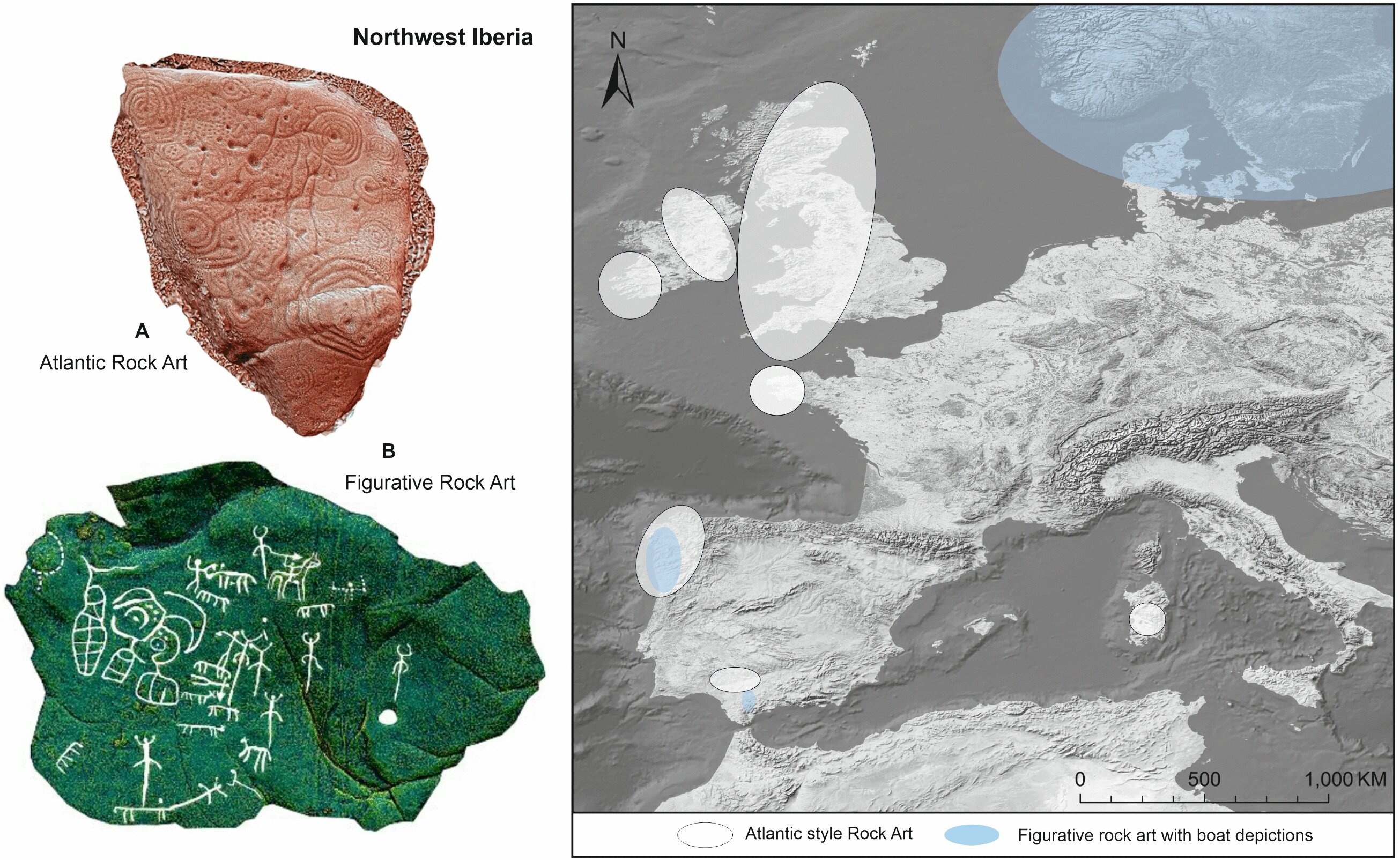
Bronze Age boat carvings in northwest Iberia share design details with rock art in southern Scandinavia, according to a study published in PLOS One. The findings suggest coastal communities in parts of modern Spain, Portugal, Sweden and Denmark were linked by maritime contacts across long distances.
Durham University said researchers compared boat petroglyphs from 12 sites in northwest Iberia with well-documented examples from Sweden and Denmark. The team found recurring similarities in how vessels were shown, including decorated ends, rigging, oars and shapes that may represent sails.
The study, by Marta Díaz-Guardamino and colleagues, examined whether the images reflected shared ideas about boats and what that might say about Bronze Age life. The researchers argue that the parallels point to the movement of nautical knowledge and cultural imagery by sea.
Shared motifs across distant coasts
According to Durham University, the Iberian and Scandinavian carvings include end-ship ornaments such as birds and S-shaped forms. The team also identified similarities in depictions of equipment and vessel structure.
The researchers said those details help place the Iberian carvings between about 1300 and 800 BCE. That timing lines up with Scandinavian maritime technologies known from the same broad period, according to the study.
The paper does not claim a single explanation for how the similarities arose. Durham University said the engravings could reflect visits by foreign crews, or local sailors in Iberia adopting naval ideas that had spread through wider maritime networks.
3D models and landscape mapping
The team used detailed 3D scans and models of the Iberian carvings to study their shapes more closely. Researchers also mapped the rock art sites and assessed their surroundings, including how close they were to rivers, coastlines and other waterways.
Those records were then compared with thousands of Scandinavian rock art examples, Durham University said. The approach allowed the team to assess fine details in the carvings as well as the settings in which they were made.
Nearly all of the Iberian boat-art sites were either near water or placed where water could be seen, according to the study. The researchers said that pattern suggests the images were intentionally set within maritime places rather than placed at random.
Boats as symbols as well as transport
The researchers also argue that the carvings show boats had meaning beyond travel and trade. Durham University said the imagery may have carried symbolic importance connected with ritual and belief.
The team identified possible cosmological features in Iberian rock art, including sun crosses near boats. The study compares those elements with Nordic iconography and says they may point to a shared concern with solar mythology.
Durham University said the findings challenge views of Bronze Age communities as local and isolated. The study presents maritime travel as a route for spreading technologies, motifs and beliefs across thousands of kilometers of European coastline.
This story draws on original reporting from Phys.org.