
Warming B.C. rivers may strain young salmon more than tests show
UBC studies found juvenile Chinook salmon had lower heat tolerance while swimming, raising concerns for conservation as rivers warm.
By Lucas Ferreira · Science & Environment Writer
3 min read
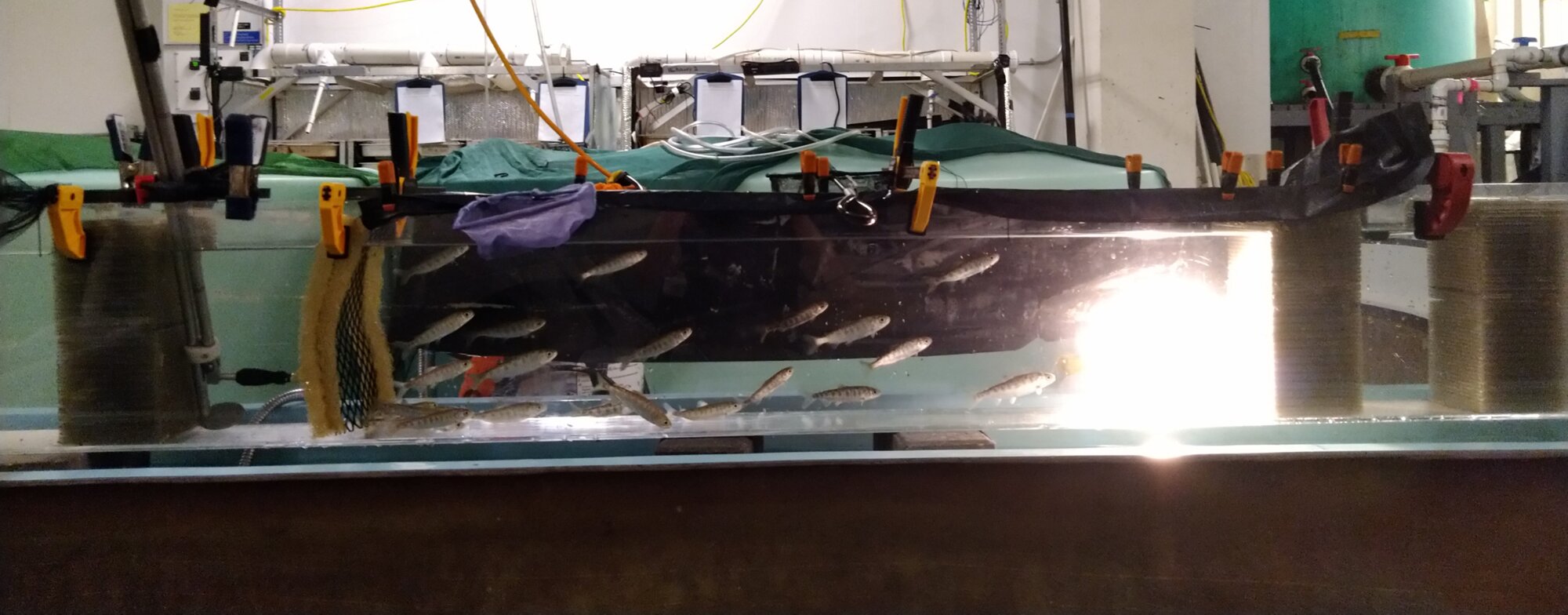
Young salmon in British Columbia may be more vulnerable to warming rivers than standard lab tests suggest. Researchers at the University of British Columbia say new work shows juvenile Chinook salmon cope with heat differently depending on age, recent temperature exposure and whether they are resting or swimming.
The findings come from two studies by UBC's Pacific Salmon Ecology and Conservation Lab, described by Scott Hinch, a professor in UBC's faculty of forestry and environmental stewardship. One study was published in the Journal of Experimental Biology, while a second has been accepted in Conservation Physiology, according to UBC.
Hinch said many heat-tolerance studies examine fish while they are still. His team tested young salmon under conditions meant to better reflect life in rivers, where juveniles must move to feed and avoid predators.
Swimming changed the heat picture
The researchers worked with Fisheries and Oceans Canada and the National Institute of Aquatic Resources in Denmark, according to UBC. They studied juvenile Chinook salmon from British Columbia's Nicola River and compared two life stages: fry, about two months old, and parr, about six months old.
UBC said fish monitored while swimming showed less ability to handle warm water than fish assessed in stationary trials. Hinch said that means traditional tests may make salmon appear more heat-tolerant than they are in natural river conditions.
The team identified 20 C, or 68 F, as a key temperature mark. UBC said fish acclimated to water at that temperature or warmer did better up to that point, but their performance declined beyond it.
The studies also found an age difference. According to UBC, fry tolerated temperatures about 1.8 C higher on average than parr. Hinch said older juveniles may have more difficulty delivering enough oxygen-rich blood to muscles as water warms.
Some results pointed to risks from sudden heat exposure. UBC said fish acclimated to cooler water, such as 12 C to 15 C, died soon after vigorous swimming trials at 24 C, or 75 F. Hinch said that suggests a young salmon from a cool river may not survive a sharp, rapid increase in water temperature.
Conservation implications
Hinch said the work shows heat stress does not affect salmon the same way across early life stages. He said conservation plans should account for the full freshwater life cycle and the habitats salmon use before they migrate to sea.
UBC said some salmon populations still show resilience as waters warm. Hinch said supporting that resilience could include reducing heat stress during the hottest periods by protecting riparian trees and groundwater sources that help cool streams and rivers.
Hinch also discussed the outlook for B.C. salmon in 2026. He said forecasting returns is difficult, but some populations may return at levels similar to last year because juveniles that entered the ocean two years ago encountered cool, food-rich coastal waters associated with La Niña conditions.
He warned that El Niño conditions could create problems for returning adults if migration and spawning rivers are warm and low because of drought. For juveniles that will stay in freshwater for another year or two, Hinch said conditions are more concerning because a projected "super" El Niño could bring warmer coastal waters, poorer food availability and more predators, while a large area of warm ocean water is nearing the coast.
UBC said the 2025 Fraser River sockeye run came in above expectations, but Hinch cautioned that one strong year does not indicate recovery. He said this year's runs are likely to vary, with some near average and others below historical norms.
This story draws on original reporting from Phys.org.