
40C heat spreads beyond the Mediterranean in Europe
European heat waves are becoming more frequent, intense and longer, with records now extending into France, Britain and northern Germany, according to The Conversation.
By Priya Raghavan · Science Reporter
3 min read
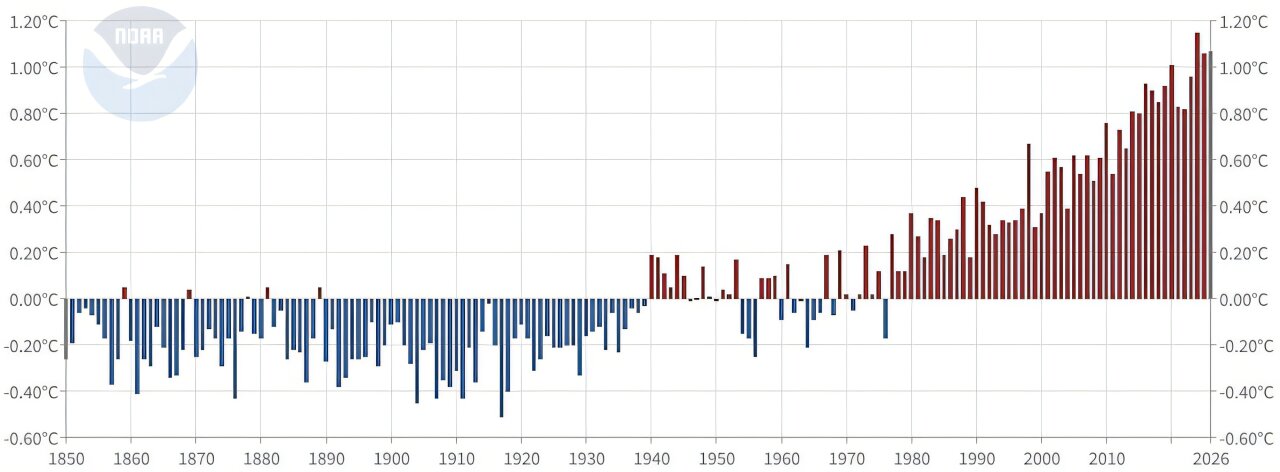
Temperatures near or above 40C are now reaching parts of Europe that once rarely experienced such heat, including Paris, southern England and northern Germany. Javier Martín Vide wrote in The Conversation that the shift matters because heat waves have become Europe’s leading climate threat as average global temperatures rise.
Martín Vide attributed the trend to greenhouse gas emissions and said heat waves in the 21st century are more frequent, stronger and longer than in the 20th century. By any common definition of a heat wave, he wrote, the risk of one occurring has at least doubled compared with the previous century.
Recent European temperature records show how far extreme heat has moved. France reached 46C at Vérargues, near Montpellier, during the 2019 heat wave. The United Kingdom recorded 40C at Coningsby in Lincolnshire in 2022, while Hamburg in northern Germany reached 40.1C around the same period.
The World Meteorological Organization has confirmed Europe’s continental record at 48.8C in Siracusa, Sicily, on Aug. 11, 2021. Spain’s national record stands close behind, at 47.6C in La Rambla, Córdoba, on Aug. 14, 2021, according to the figures cited by Martín Vide.
Hotter spells are starting earlier
Martín Vide wrote that Europe’s heat waves are lasting longer, which means more days above dangerous thresholds. He also said they are arriving earlier in the year than in the past.
The Copernicus Climate Change Service has reported an early and intense European heat wave in May 2026. Martín Vide said June heat waves, including those in 2019 and 2026, are no longer rare, and the latest episode included unusually warm nights.
Earlier heat is also affecting school calendars, particularly in Spain, he wrote. During the final stretch of the school year, from late May through late June, classroom temperatures can exceed levels suitable for learning, and longer summers can extend the problem into September.
Health risks rise with nighttime heat
The health toll from heat waves can be severe. Martín Vide cited the 2003 European heat wave, which caused about 70,000 deaths, including roughly 20,000 in Italy, 15,000 in France, 12,000 in Spain and more than 9,000 in Germany.
Central and northern Europe were poorly prepared for such heat in 2003, according to Martín Vide. Few homes, public spaces and services, including hospitals, had air conditioning, leaving residents exposed to temperatures that had previously seemed unlikely in those regions.
High daytime temperatures are not the only danger. Martín Vide said warm nights can harm health by preventing restorative sleep, with older people at particular risk, especially those with chronic illnesses or without access to cooling because of energy poverty.
He also noted growing calls for the World Health Organization to treat the climate crisis as a public health emergency.
Adaptation becomes a summer priority
Europe is the world’s fastest-warming continent, according to Copernicus data cited by Martín Vide. He argued that heat waves will become a regular part of European summers, requiring stronger adaptation measures, especially in central and northern countries less accustomed to extreme heat.
Those measures include cooling systems in hospitals outside the highest latitudes, city networks of climate refuges, more urban green space in Mediterranean cities and cooler roofs made with plants or reflective materials. Martín Vide also pointed to shaded streets and permeable pavements that allow water to soak in and cool surfaces through evaporation.
This story draws on original reporting from Phys.org.