
Study ties dairy cattle H5N1 infections to udder cell receptors
Researchers say a specific receptor pattern in mammary tissue may explain why bird flu spread in cows before it was recognized.
By Priya Raghavan · Science Reporter
3 min read
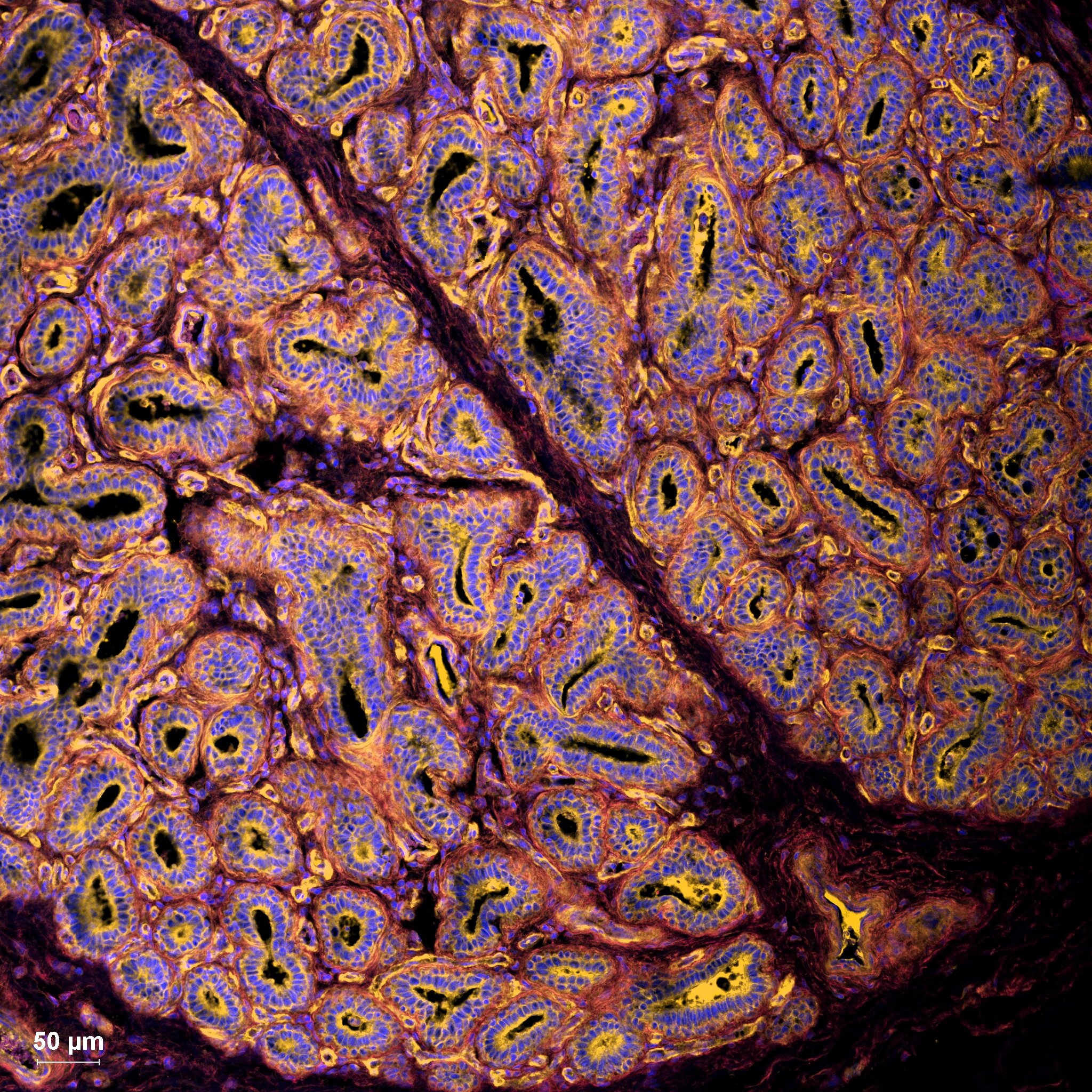
H5N1 bird flu went undetected in U.S. dairy cattle for weeks in early 2024 because the virus did not look like the respiratory disease scientists expected, University of Pittsburgh researchers report. A study in Science Advances says the virus found a foothold in cows’ mammary glands, helping explain an outbreak that initially puzzled veterinarians and public health officials.
The research, led by scientists at the University of Pittsburgh School of Public Health, examines why H5N1 caused severe udder infections in cattle while largely sparing the lungs. The team says that unusual tissue pattern slowed recognition of the virus as it moved through dairy herds.
Outbreak first looked like mastitis
According to the University of Pittsburgh, the first cases appeared in dairy cattle in the Texas Panhandle as severe necrotizing mastitis, an inflammatory disease that damages mammary gland tissue. Suresh Kuchipudi, senior author of the study and chair of infectious diseases and microbiology at Pitt Public Health, said veterinarians initially investigated familiar causes of mastitis, including bacterial pathogens.
By the time H5N1 was identified as the cause, the university said, the virus had spread between herds, sickened cattle and contaminated farm environments. Kuchipudi said infected cows can shed large amounts of virus in milk, raising concerns for farmworkers and for animals exposed to raw milk.
The university also cited previous work involving cats, noting that some cats have died after exposure linked to raw milk. Kuchipudi said pasteurization kills the virus, and he emphasized avoiding raw milk.
Researchers looked past standard flu tests
The study focused on receptors, the cell-surface structures influenza viruses use to attach and infect tissue. The University of Pittsburgh said standard staining methods used by other groups had suggested that flu-related glycan receptors were present in cow noses, tracheas and lungs, even though the cattle were not showing respiratory disease.
Kuchipudi’s team concluded that receptor presence alone did not explain the outbreak pattern. The researchers worked with Lauren E. Pepi of Harvard Medical School, who specializes in glycomics, the broad cataloging of glycan structures.
Using binding experiments, staining and ultra-high-resolution imaging, the team found that H5N1 did not bind equally to all relevant glycan receptors, according to the study. The virus attached to a particular subtype called N-linked sialic acid receptors.
Those receptors were nearly absent in cow airway tissue and widespread in mammary tissue, the researchers report. That distribution, they say, helps explain why the bovine udder was vulnerable to infection while the respiratory tract was less affected.
Screening could flag future spillovers
The study says the same approach could help scientists assess where H5N1 might cause disease if it reaches other hosts. Kuchipudi said researchers could screen species and tissues in advance to estimate whether infection might appear as respiratory illness, mastitis or neurological disease.
The paper, titled “Receptor Basis of Unusual Tissue Tropism of Avian Influenza H5N1 Clade 2.3.4.4b Virus in Cattle,” was published in Science Advances. The University of Pittsburgh said H5N1 now affects more than 100 bird and mammal species globally.
The findings do not change the basic public health advice cited by the researchers: avoid raw milk, and rely on pasteurization to reduce risk from contaminated milk. The team says faster recognition of tissue-specific infection patterns could give officials more time to respond when bird flu appears in an unexpected host.
This story draws on original reporting from Phys.org.