
Greenland reports rare June wildfires as Arctic warms
A Greenland researcher told AFP that recent early-season vegetation fires may be linked to Arctic warming and the current El Niño effect.
By Lucas Ferreira · Science & Environment Writer
2 min read
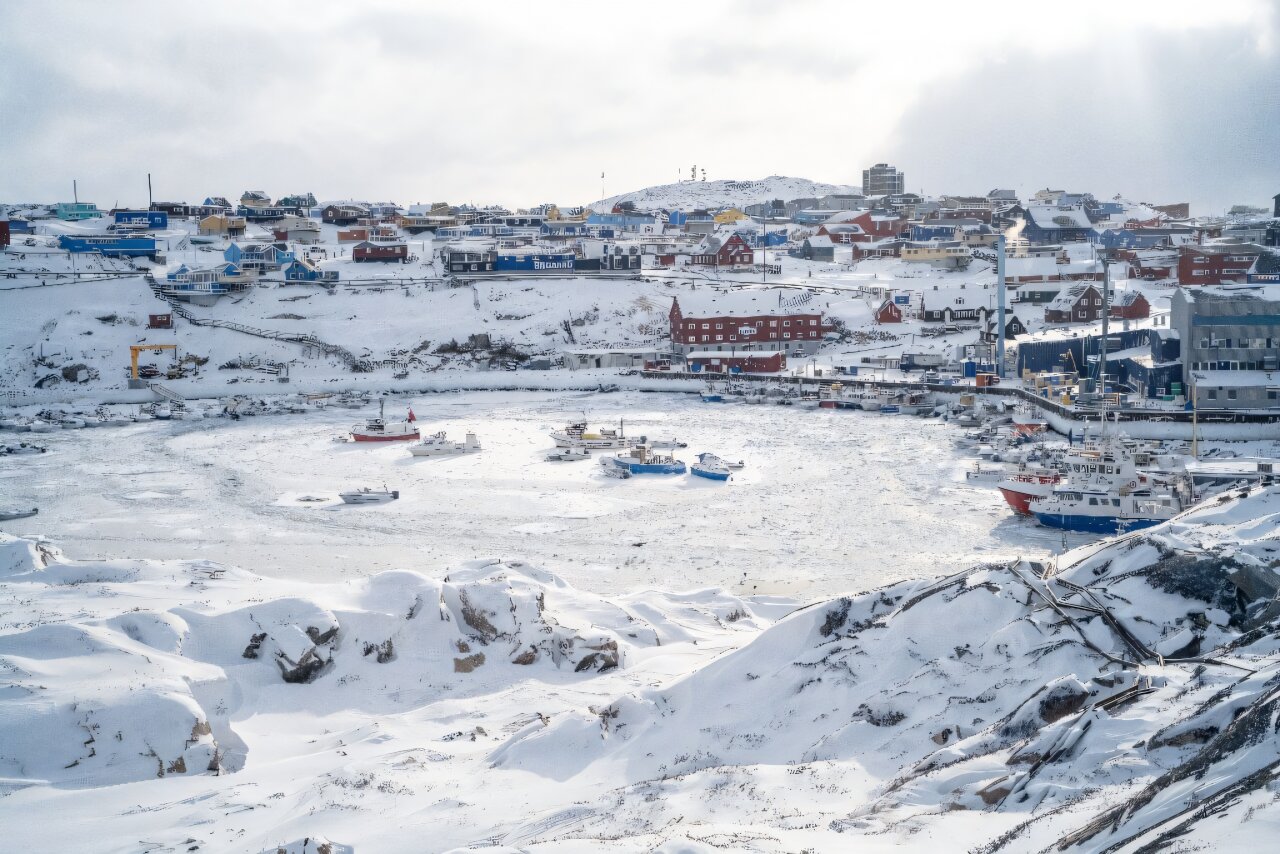
Localized wildfires have broken out in Greenland unusually early in the summer, raising concern about fire risk in a place better known for ice than burning tundra. Karl Brix Zinglersen of the Greenland Institute of Natural Resources told AFP that June fires are uncommon and may be tied to broader warming in the Arctic, along with the current El Niño effect.
Zinglersen, who heads the institute’s Department of Environment and Minerals, said vegetation fires remain a relatively recent development in Greenland. AFP reported that the island’s limited ice-free areas are largely covered by tundra, making the recent fire activity notable for both its location and timing.
According to Zinglersen, researchers who examined satellite imagery found no signs of vegetation fires in Greenland before 2008. He told AFP that fire activity then began to appear more often, with 21 vegetation fires recorded from 2008 through 2020.
Those fires, Zinglersen said, occurred almost entirely in July and August, when warm and dry periods are more typical. The recent fires stand out because they arrived in June, before the part of summer when Greenland’s recorded vegetation fires have usually been seen.
Dry weather raises fire risk
AFP reported that most of the latest fires have occurred in western Greenland. The region has recently had sunny conditions and little rain, weather that can make outdoor life easier while also drying vegetation.
Zinglersen told AFP that drying plants become highly combustible under those conditions. Researchers have warned, according to AFP, that climate change is making summer fires more common in Greenland, even though the island is still strongly associated with wintry, ice-covered terrain.
The municipality of Sermersooq, which includes Nuuk and nearby areas, responded with fire-prevention advice on Facebook, AFP reported. Its fire department urged residents to use only designated places for campfires or barbecues.
Emergency crews put out the recent fires quickly, and no injuries were reported, according to AFP. The limited damage does not erase the broader concern described by Zinglersen: a warming Arctic may be changing the timing and frequency of vegetation fires in Greenland.
AFP reported that the current fires remain localized. Still, the shift toward earlier-season burning adds to evidence cited by researchers that Greenland’s tundra areas can face fire risk during warm, dry spells.
This story draws on original reporting from Phys.org.