
Study finds glyphosate resistance in hospital superbugs
Researchers say bacteria resistant to key antibiotics also tolerated glyphosate, raising questions about herbicide use and antimicrobial resistance.
By Lucas Ferreira · Science & Environment Writer
3 min read
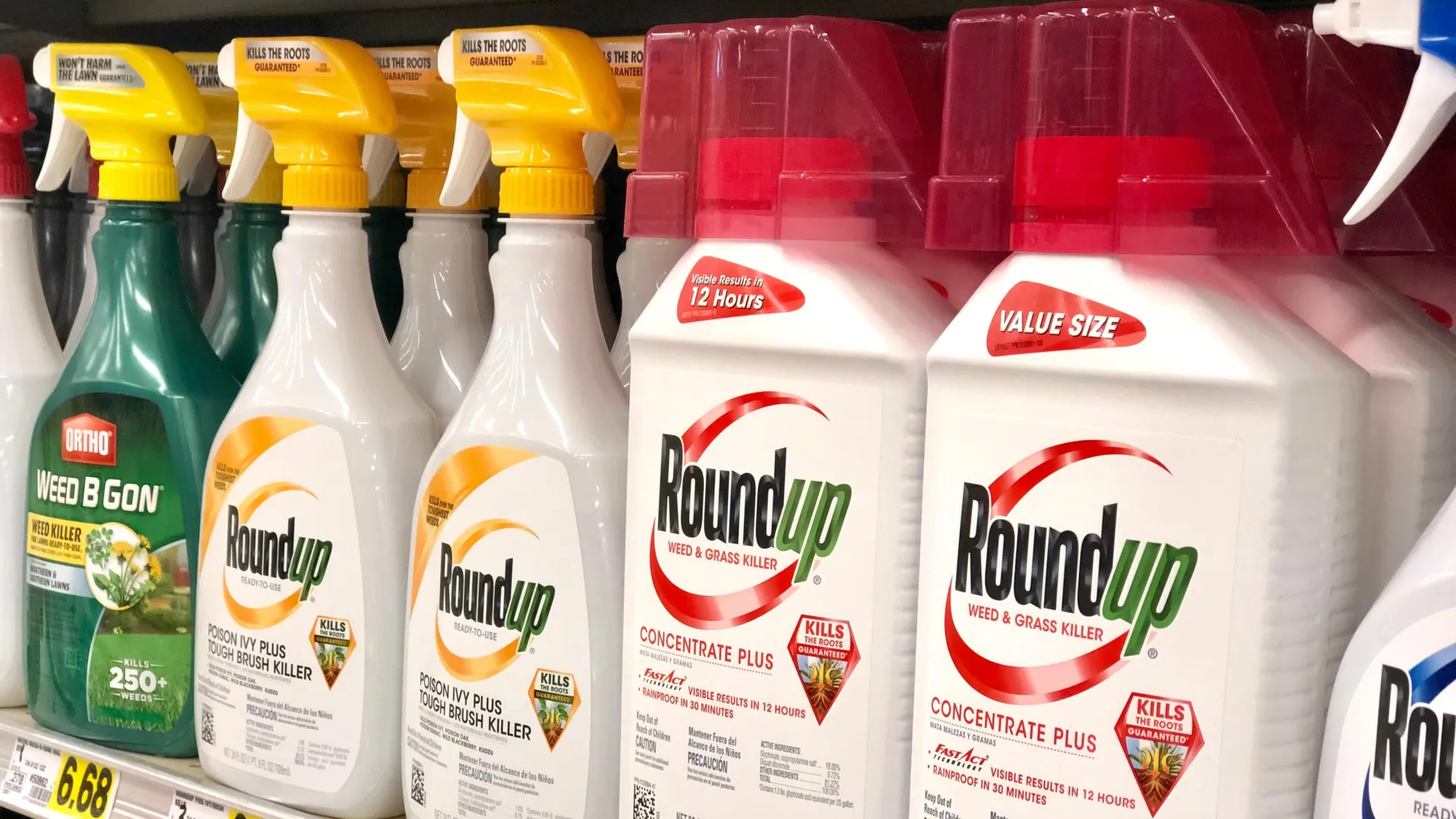
Bacteria taken from hospitals, farms and a protected wetland showed resistance to glyphosate in a new study, including strains already resistant to multiple antibiotics. The finding matters because the researchers say a widely used herbicide could help hard-to-treat microbes survive outside health care settings.
The study, published in Frontiers in Microbiology, examined whether glyphosate exposure could be linked to the spread of antimicrobial resistance. Frontiers said antimicrobial resistance contributes to an estimated 1.1 million to 1.4 million deaths worldwide each year, a threat usually tied to antibiotic overuse and misuse.
Dr. Daniela Centrón of the Institute of Medical Microbiology and Parasitology in Buenos Aires, the study’s senior author, said her team found that common multidrug-resistant hospital bacteria could also withstand high levels of glyphosate. The researchers said that raises the possibility that weedkillers used in agriculture may select for resistant bacteria in soil communities.
Samples from hospitals, farms and a wetland
Centrón and colleagues tested 68 bacterial strains collected in 2018 and 2020 from sediment in a protected nature reserve in the Paraná delta north of Buenos Aires, according to Frontiers. Herbicides had not been applied inside the reserve, but glyphosate is used in nearby farming areas, the researchers said.
The team measured how the strains responded to 16 antibiotics, including ampicillin with sulbactam, meropenem, tetracycline and vancomycin. The researchers also tested pure glyphosate and glyphosate-based herbicides, then compared the results with 19 strains from local hospitals and 15 strains from feedlots and herbicide-affected agricultural soils.
Frontiers said the hospital strains showed broad antimicrobial resistance, with individual strains resisting between one and 16 tested antibiotics. The researchers reported that 74% of the hospital strains resisted carbapenems, a class often used against serious infections when other drugs fail.
All hospital-derived strains also showed high resistance to glyphosate and glyphosate-based herbicides, according to the study. Dr. Camila Knecht, the first author, said that if such bacteria reach the environment through untreated hospital wastewater, they could survive in farming areas where glyphosate is used.
Resistance patterns crossed environments
The 68 strains from the Paraná delta represented 15 genera, including Acinetobacter, Pseudomonas, Exiguobacterium and Chryseobacterium, Frontiers said. Every environmental strain showed some resistance to glyphosate and glyphosate-based herbicides, despite the reserve’s lack of direct herbicide application, according to the researchers.
Among the environmental samples, Enterobacter species tolerated the highest glyphosate levels, surviving concentrations up to 80 milligrams per milliliter, the study found. Bacillus species were more sensitive, with growth inhibited at concentrations as low as 2.5 milligrams per milliliter.
The researchers built a genetic family tree from all 102 strains and found that the bacteria most resistant to glyphosate were often closely related, even when they came from different settings. Frontiers said the same bacterial genera showed glyphosate resistance in hospital, farm and wetland samples.
Coauthor Dr. Jochen A. Müller of Karlsruhe Institute of Technology said glyphosate use can favor resistant bacteria in affected soils, while antibiotic use can favor resistant bacteria in hospitals. He said water may help move bacteria carrying antibiotic resistance genes between those environments.
The researchers argued that pesticide rules should include testing for possible co-selection with antibiotic resistance before products go to market. Centrón also said labels should warn that antibiotic resistance genes may spread from glyphosate-contaminated soils to hospitals through untreated water.
Glyphosate remains under regulatory scrutiny, according to Frontiers. The International Agency for Research on Cancer classifies it as a probable human carcinogen, and France, Belgium and the Netherlands have banned household glyphosate uses, while Germany prohibits its use in public spaces.
This story draws on original reporting from ScienceDaily.