
GLP-1 users lost weight but logged fewer steps in Fitbit study
Researchers said adults with obesity moved less after starting drugs such as Ozempic, Wegovy, Mounjaro and Zepbound.
By Tom Brennan · Health & Medicine Correspondent
3 min read
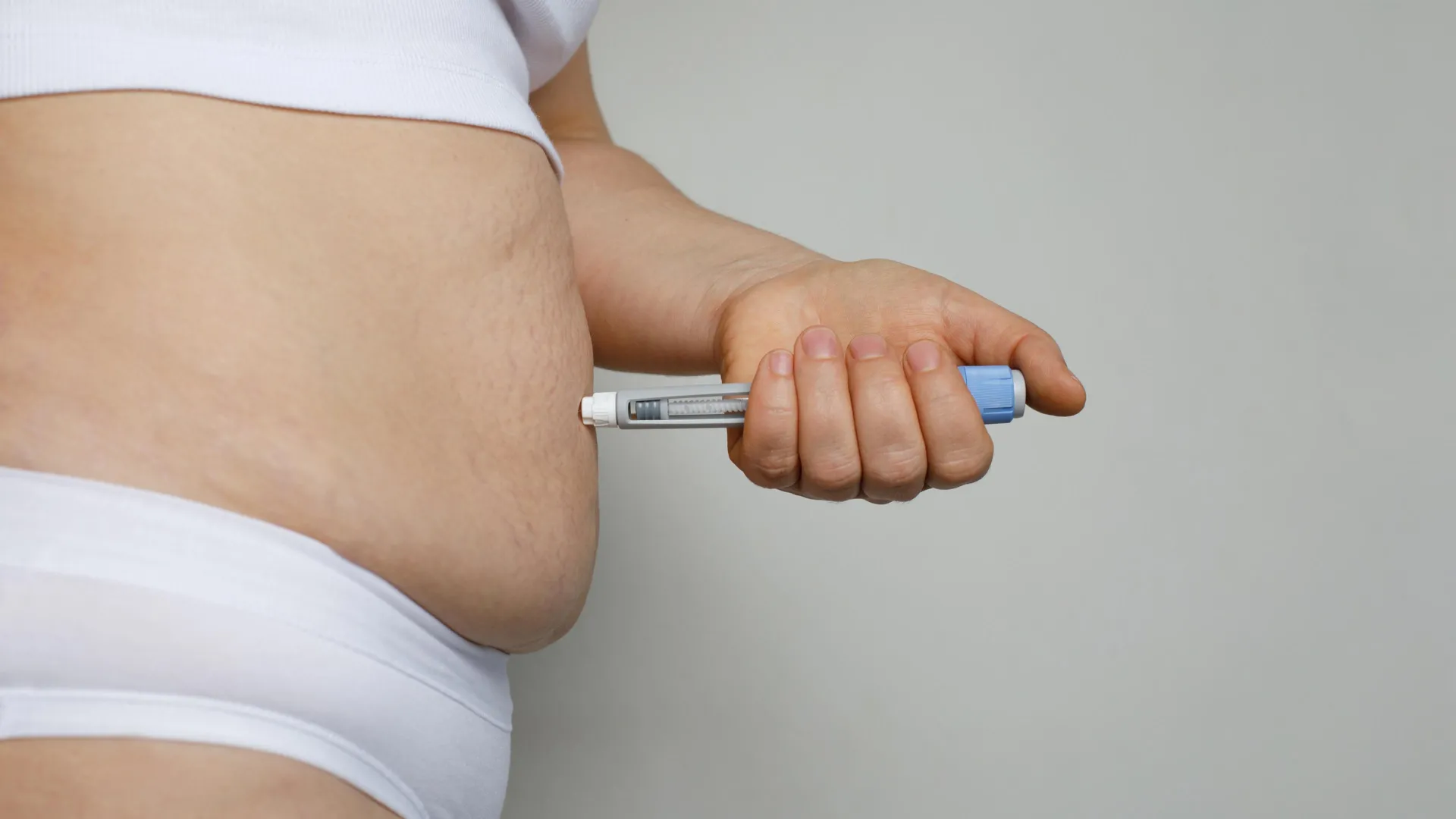
Adults with obesity who began GLP-1 medications for weight loss reduced their daily movement after starting treatment, researchers reported Saturday. The finding matters because the drugs can reduce lean muscle as well as fat, making exercise a key part of protecting strength during weight loss, according to the Endocrine Society.
The research was presented at ENDO 2026, the Endocrine Society’s annual meeting in Chicago. The study examined people taking drugs including semaglutide, sold as Ozempic and Wegovy, and tirzepatide, sold as Mounjaro and Zepbound, as well as liraglutide and dulaglutide.
Study leader Sajana Maharjan, M.D., of HSHS St. John’s Hospital in Springfield, Illinois, said the results showed that weight loss on these medications did not lead to higher physical activity. According to the Endocrine Society, the researchers said patients need support to keep moving while using medication for obesity.
Wearable data tracked activity before and after treatment
The researchers used information from the National Institutes of Health’s All of Us Research Program, which links electronic health records with Fitbit data, according to the Endocrine Society. The initial study group included 1,950 adults with obesity who started a GLP-1 receptor agonist.
Of that group, 753 people had enough Fitbit information for the final analysis, the Endocrine Society said. The participants were mostly women, at 78.6%, and their average age was 52.7 years.
The researchers compared activity levels before and after participants began GLP-1 treatment. They measured daily step totals and minutes of moderate-to-vigorous physical activity, a category often used to track exercise intensity.
Steps and exercise minutes fell
Average daily steps dropped from 5,047 before treatment to 4,487 after treatment, according to the Endocrine Society. Average time spent in moderate-to-vigorous activity fell from 28 minutes a day to 22 minutes a day.
The researchers reported the largest declines among men and among participants who had joint or muscle pain. According to the Endocrine Society, age, heart failure and prior stroke did not change the overall pattern.
The Endocrine Society said the researchers found no evidence that participants became more active as they lost weight on the medications. That result runs counter to the common assumption that lower body weight by itself will make people move more.
Muscle loss is part of the concern
GLP-1 receptor agonists can be effective obesity treatments, according to the Endocrine Society. The society said the concern is that weight loss can include reductions in lean muscle mass, not only fat.
That makes activity and exercise planning a health issue during treatment, according to Maharjan and the research team. Maintaining muscle is tied to strength and longer-term health, the Endocrine Society said.
The researchers described the work as the first large study to use wearable fitness tracker data to assess activity patterns in adults taking GLP-1 receptor agonists, according to the Endocrine Society. The findings add a practical warning for clinicians and patients: medication-driven weight loss does not guarantee that daily movement will rise without a deliberate effort to support it.
This story draws on original reporting from ScienceDaily.