
Germany logs provisional record heat of 41.3C as events are canceled
Germany’s weather service said a Saarbruecken reading may be the country’s hottest on record, with hotter conditions possible over the weekend.
By Priya Raghavan · Science Reporter
2 min read
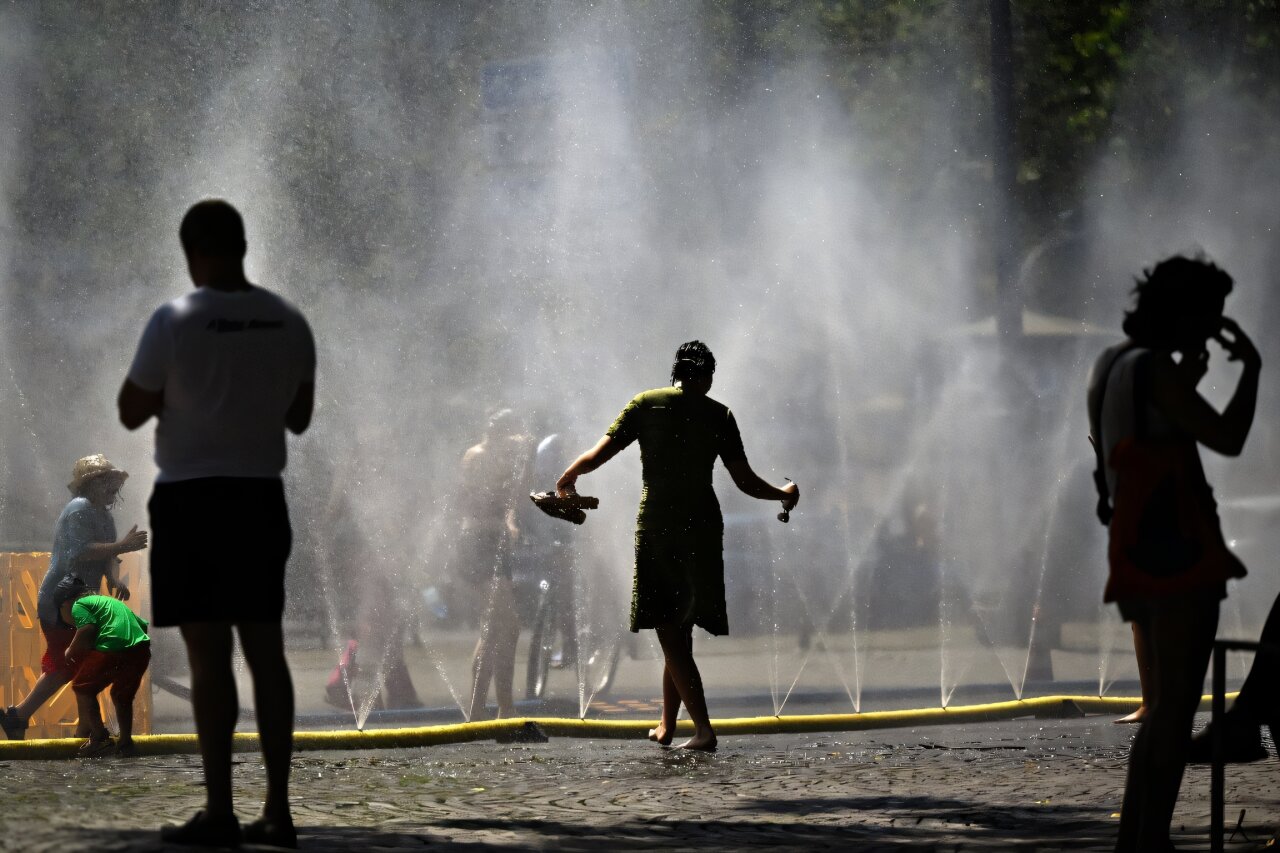
Germany registered a provisional national heat record Friday, with the German Weather Service reporting a 41.3C reading in Saarbruecken as a severe heat wave disrupted public events and raised warnings for rivers. The agency, known as DWD, said the measurement must still pass quality-control checks before it is confirmed.
If verified, the Saarbruecken temperature would edge past Germany’s previous high of 41.2C, recorded in July 2019, according to DWD data cited by AFP. The new mark also came after the agency said Friday that Germany had already exceeded its June temperature record, which had stood at 39.6C.
DWD forecaster Uwe Baumgarten told AFP that similar or slightly higher temperatures could be reached Saturday. Forecasts cited by AFP put weekend highs in Germany as high as 42C.
The heat has already forced organizers and local authorities to change plans across the country. AFP reported that many weekend concerts, festivals and sports events were canceled because of the conditions.
The Bad Homburg Open professional tennis tournament was halted Friday, and its final was moved to earlier Saturday morning in an effort to avoid the worst of the heat, according to AFP. In Cologne, officials canceled a children’s and family festival planned for Sunday.
In Leipzig, an outdoor opera performance was called off after the opera house said it would be irresponsible for a youth choir to sing in those conditions, AFP reported. Other gatherings remained on schedule with added warnings, including Pride events planned in Munich on Saturday.
Munich officials said the LGBTQ celebrations would be hot and crowded and advised people attending to wear hats, drink enough water and use strong sunscreen, according to AFP. The guidance reflected the wider public-health concerns as the heat wave moved across western and central Europe.
Environmental agencies in western Germany also warned of risks to fish in major rivers. AFP reported that rising water temperatures in the Rhine, Mosel and Saar could reduce oxygen levels enough to trigger fish deaths.
The same heat wave has affected much of western Europe. Spain has reported scores of heat-related deaths, while France has reported dozens of drownings and several infant deaths in hot cars, according to AFP.
As the system shifts east, parts of central Europe are preparing for extreme temperatures alongside Germany. AFP reported that the Czech Republic and Hungary were forecast to see temperatures above 40C.
This story draws on original reporting from Phys.org.