
Asteroid 1997 NC1 to pass Earth safely this weekend
The large near-Earth asteroid is expected to make its closest approach Saturday morning at about 1.6 million miles away, ESA says.
By Tom Brennan · Health & Medicine Correspondent
2 min read
A large asteroid is set to pass Earth this weekend with no expected threat, according to the European Space Agency. The flyby matters because 1997 NC1 is a sizable near-Earth object, and its path is being watched as part of routine planetary defense work.
The Associated Press reported that the asteroid will make its closest approach Saturday morning. ESA said the object will come within about 1.6 million miles, or 2.6 million kilometers, of Earth.
That distance is far beyond the moon, and ESA does not describe the encounter as dangerous. Space agencies routinely calculate asteroid paths to look for any possible collision risk, according to the AP.
Asteroid 1997 NC1 was found nearly 30 years ago by an asteroid-tracking system in Hawaii, the AP reported. Its estimated size ranges from 2,461 feet to 5,413 feet across, or about 0.75 kilometer to 1.65 kilometers.
The AP compared that range to roughly two to four Empire State Buildings. Objects of that scale draw attention from astronomers because even harmless close approaches help refine tracking and orbit models.
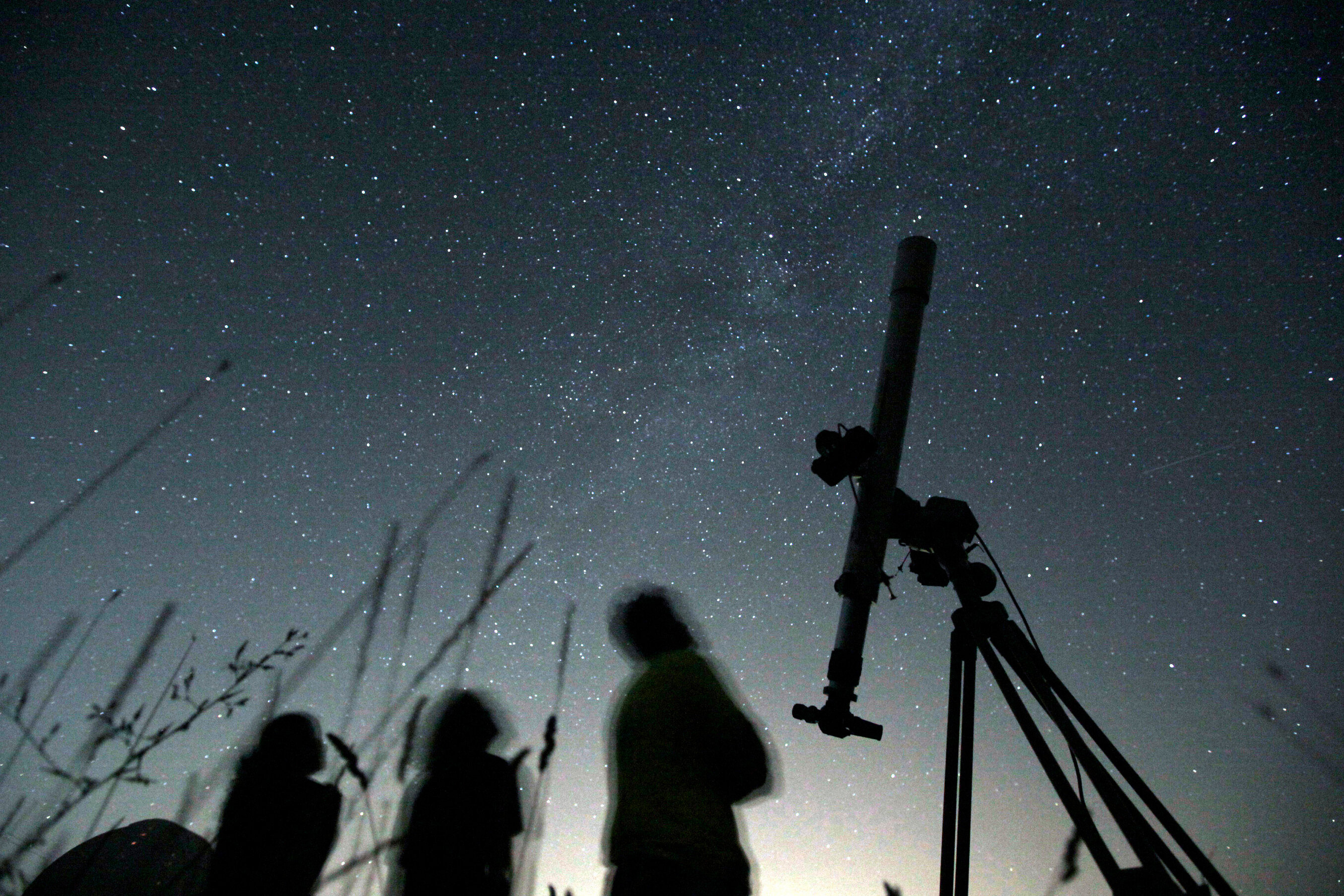
People with binoculars or small telescopes may be able to see 1997 NC1, according to the AP. From the ground, it would appear as a small point of light moving across the sky rather than as a detailed object.
NASA says the asteroid is not expected to come this close to Earth again until 2133, the AP reported. The encounter follows other monitored flybys by large asteroids, including 1994 PC1, which passed Earth safely at a closer distance in 2022.
NASA, ESA and other space agencies follow asteroids and other objects in space to help protect Earth from possible impacts, according to the AP. Those efforts include tracking near-Earth objects, updating their projected orbits and publicizing notable close approaches when they occur.
The AP also reported that astronomers last year tracked a smaller asteroid shaped like a spinning hockey puck and determined it had no chance of striking Earth or the moon. The 1997 NC1 pass falls into the same category of watched events: scientifically useful, visible to some observers and not considered a hazard.
This story draws on original reporting from Phys.org.