
Study finds price and clear benefits may lift interest in gene-edited milk
New Zealand consumers preferred conventional milk, but a study found lower prices and allergy-free claims increased openness to gene-edited options.
By Lucas Ferreira · Science & Environment Writer
3 min read
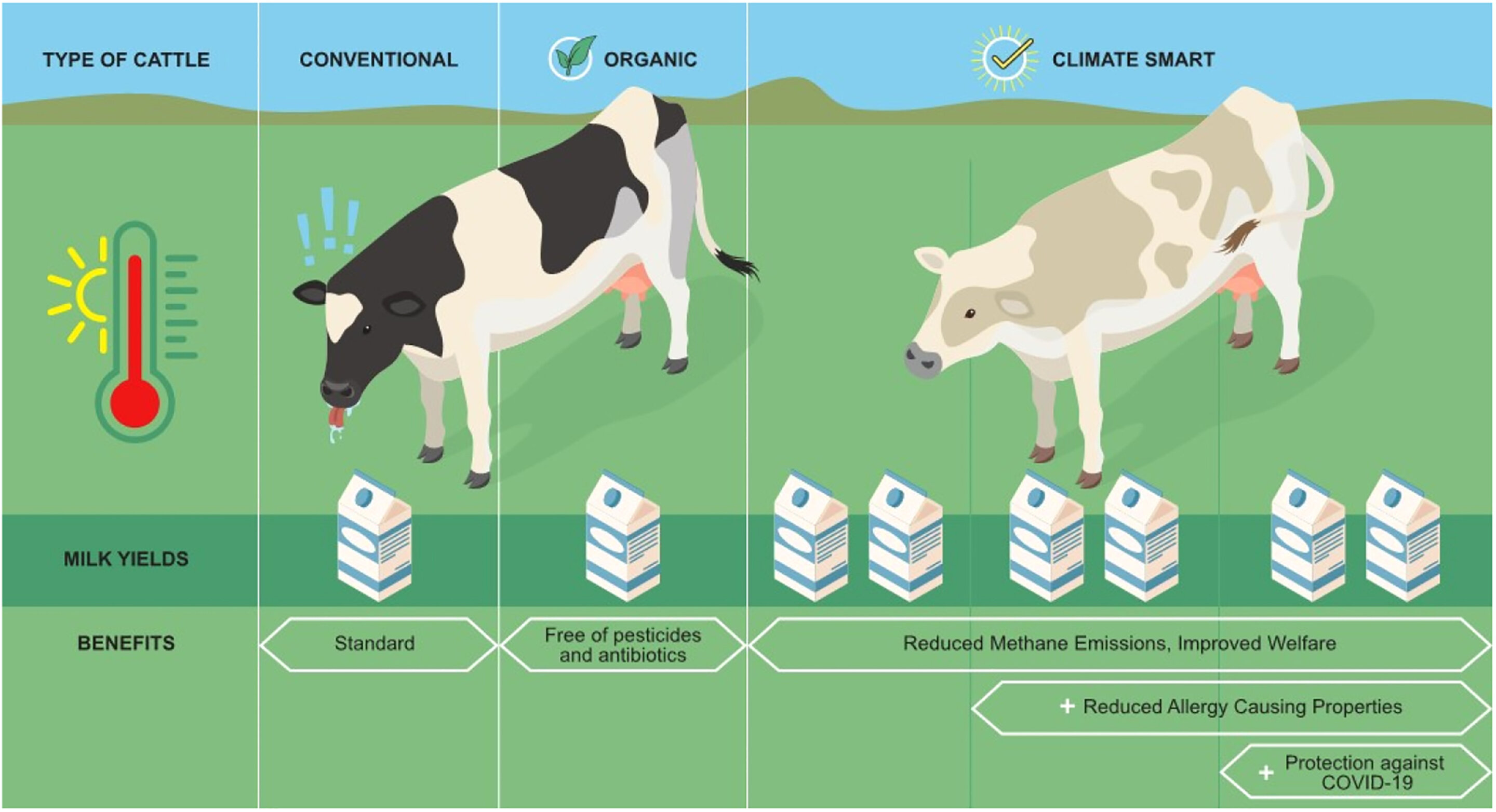
A New Zealand consumer study found shoppers may consider milk from gene-edited cows when the product offers a clear personal benefit or costs less than regular milk. The findings matter for dairy producers weighing climate-related animal stress, emissions goals and public acceptance of new food technologies.
The study, published in Future Foods and discussed by researchers Damien Mather, Goetz Laible and Kara Xiaohui Ma in The Conversation, surveyed nearly 1,100 New Zealand consumers about possible “climate-smart” milk products. The researchers said the work tested purchasing trade-offs rather than broad attitudes toward gene editing.
New Zealand’s dairy sector faces rising pressure from hotter conditions, according to the researchers. They said heat stress can cut milk output, harm cows and reduce the environmental efficiency of dairy farming, a concern in a country where dairy exports play a large economic role.
Scientists have been studying whether gene editing could help produce dairy cattle that cope better with warmer weather and emit less methane, according to the researchers. They also noted possible uses for dairy products with added functions, including milk designed to avoid allergy problems.
How the survey worked
The researchers described gene editing as a way to make targeted changes to DNA to add desirable traits or remove unwanted ones, without necessarily adding genetic material from another organism. They said some scientists view that distinction from older genetic modification methods as a factor that could affect public acceptance.
Because gene-edited cows are not yet used for commercial dairy production, participants did not taste or buy real gene-edited milk. Instead, the researchers asked them to compare hypothetical supermarket choices with different product descriptions and prices.
Participants chose among conventional milk, organic milk and three proposed gene-edited products, according to the study. The gene-edited options included a standard version, an allergy-free version aimed at easier digestion and a product with a “COVID-protection” feature linked to research on milk carrying protective antibodies.
The researchers said participants first received information about gene editing and climate-smart milk. They then repeatedly picked their most and least preferred products across shopping scenarios, allowing the study to measure how price, familiarity and stated benefits shaped choices.
Conventional milk still led
Conventional milk remained the preferred option overall, the researchers reported. They said that result fit expectations because consumers often trust familiar foods, especially products they buy often.
The study also found resistance to gene-edited milk was flexible. According to the researchers, acceptance rose when gene-edited milk was offered below the price of conventional milk.
Stated benefits also changed consumer interest, the study found. The allergy-free gene-edited milk was the most popular of the tested gene-edited products, which the researchers said suggests shoppers respond more favorably when a new food technology offers a direct and easy-to-understand advantage.
The researchers said allergy-free labeling may be more tangible for consumers than broad climate or technical claims. They also said the COVID-protection feature appealed to some participants, while others may have been doubtful or tired of pandemic-related messages, and the health claim may have been harder to grasp than the allergy-free claim.
The researchers said the results point to a possible route for wider consumer acceptance of gene-edited foods through clear benefits, affordability and transparent communication. They also said familiar products still have a strong advantage, and price remains a major factor in buying decisions.
This story draws on original reporting from Phys.org.