
Experiment tracks fungal carbon transfer into green gentian plants
Japanese researchers say a gentian species can receive carbon through arbuscular mycorrhizal fungi while also using photosynthesis.
By Tom Brennan · Health & Medicine Correspondent
3 min read
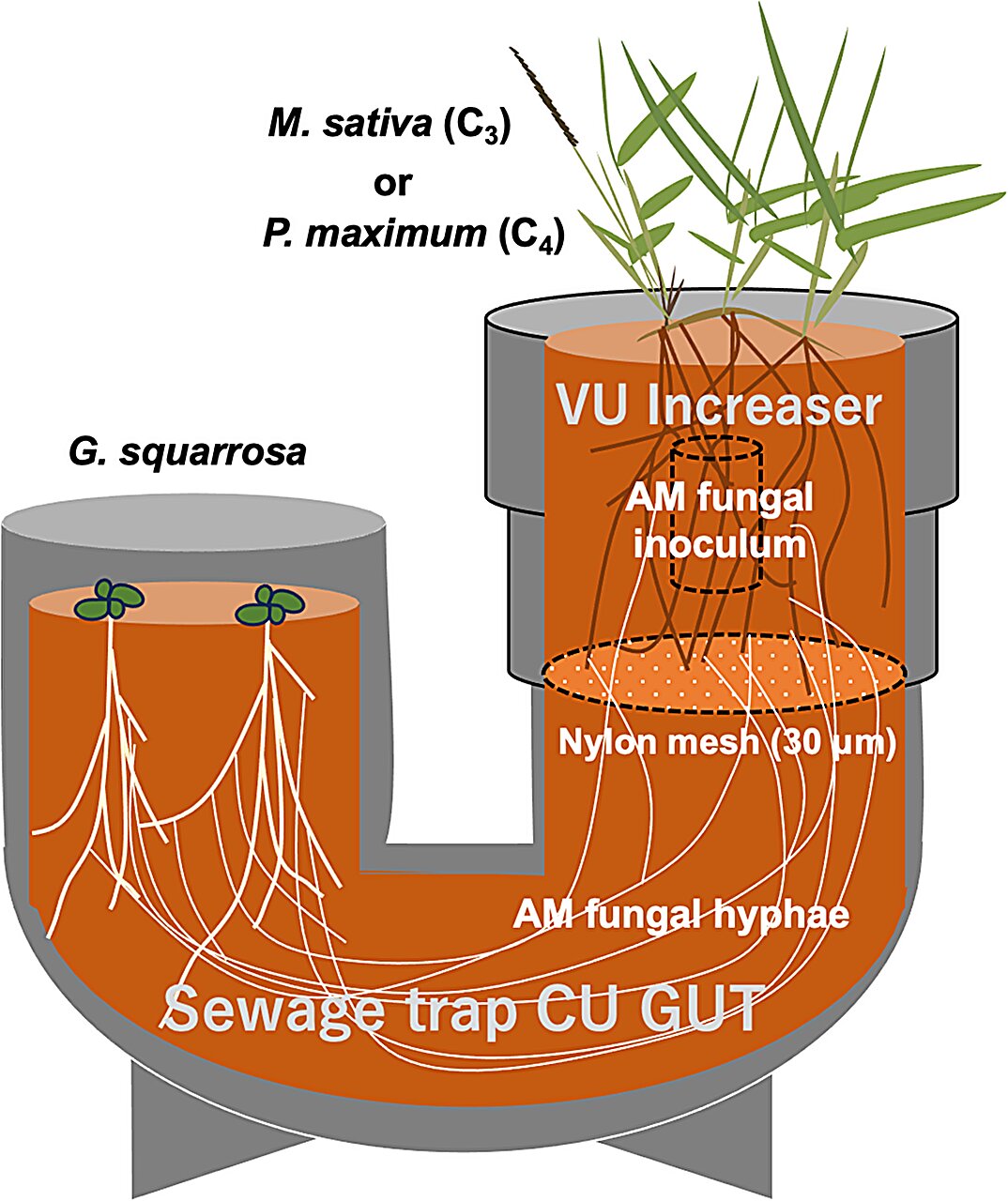
Researchers in Japan have experimentally shown that a green flowering plant can gain carbon through underground fungal connections as well as from photosynthesis. The finding, reported by Chiba University and Kobe University researchers in the journal Mycorrhiza, adds evidence that arbuscular mycorrhizal fungi can move carbon between plants.
The study focused on Gentiana squarrosa Ledeb., a small plant in the Gentianaceae family. According to the research team, the species showed partial mycoheterotrophy, meaning it makes some of its own carbon compounds through photosynthesis and also receives carbon through a fungal partner.
Mycorrhizal fungi live with plant roots and help plants take up soil nutrients, Chiba University said. In return, plants supply carbon compounds produced by photosynthesis. The same fungal threads can connect neighboring plants of different species, creating underground networks sometimes called the “wood-wide web,” according to the university.
Scientists have previously suspected that some green plants draw carbon from these networks, Chiba University said, but the process has been hard to prove in plants associated with arbuscular mycorrhizal fungi. The university said carbon isotope signatures in these fungi often look much like those of their host plants, making carbon movement difficult to detect.
How the experiment traced carbon
The team was led by Masahide Yamato of Chiba University, with Moe Sasuga, Keito Shimabukuro and Ryota Kusakabe of Chiba University, and Kenji Suetsugu of Kobe University. Their paper was published May 28, 2026, according to Mycorrhiza.
To follow carbon transfer, the researchers grew G. squarrosa seedlings with companion plants that naturally differ in their carbon-13 isotope levels. Chiba University said the team used C3 and C4 plants, because C4 plants naturally contain more carbon-13 than C3 plants.
The researchers reasoned that if carbon moved through the fungal network, the isotope pattern in the companion plant would appear in the gentian seedlings. Yamato said the carbon-13 ratio should be higher in G. squarrosa seedlings grown with a C4 companion plant than in seedlings grown with a C3 companion plant if arbuscular mycorrhizal fungi were carrying carbon.
The team used a U-shaped pot system for the test, according to Chiba University. A fine nylon mesh separated the roots of the gentian seedlings from the roots of the companion plants, blocking roots while allowing fungal mycelium to pass through.
Chiba University said the experiments matched the team’s prediction. The shoots of G. squarrosa seedlings grown with C4 companion plants had significantly higher carbon-13 values than seedlings grown with C3 companion plants.
Among gentian plants grown with a C4 companion, the researchers also found that shoot growth rose with carbon-13 levels, Chiba University said. The team interpreted that pattern as evidence that fungal carbon transfer supported growth under the tested conditions.
What the finding suggests
The researchers said the results support partial mycoheterotrophy in G. squarrosa. In their interpretation, the plant receives carbon from both photosynthesis and fungal symbiosis.
Yamato said the U-shaped culture system could help test whether carbon transfer through arbuscular mycorrhizal fungi occurs in other plant species. If future studies confirm the pattern more widely, he said, fungal hyphal networks may serve as routes for carbon compounds between plants as well as for nutrient uptake.
This story draws on original reporting from Phys.org.