
Researchers urge lunar lab to screen space samples before Earth return
A policy paper says NASA should use a Moon-based biocontainment facility to study extraterrestrial samples before they reach Earth.
By Tom Brennan · Health & Medicine Correspondent
3 min read
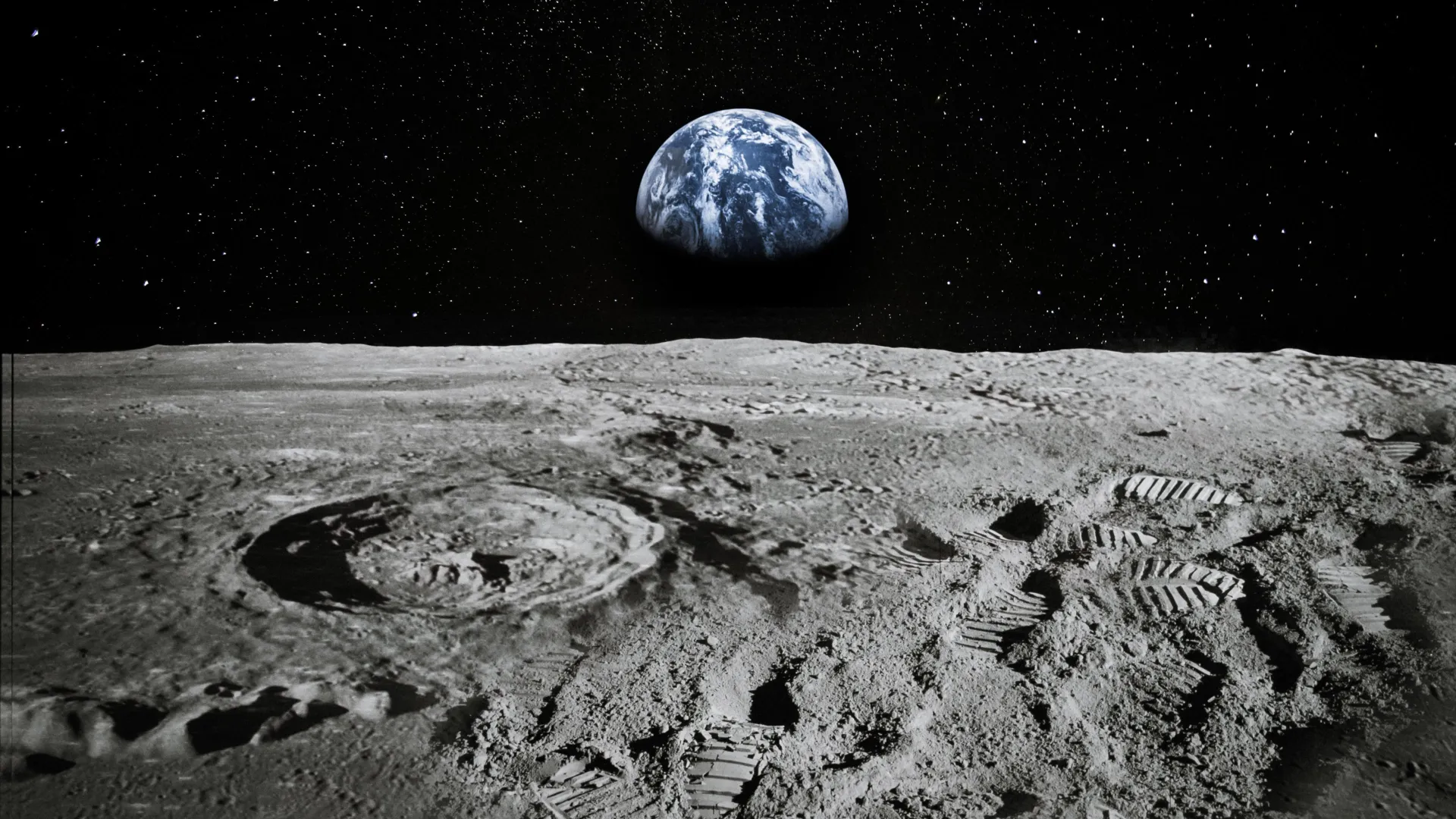
Researchers are calling for a quarantine and research facility on the Moon to examine material collected from Mars, the Moon and other destinations before any samples are brought to Earth. McGill University said the proposal is aimed at reducing the risk that an unknown organism, if one were ever found, could reach Earth’s ecosystems through a sample-return mission.
The recommendation appears in a policy paper published in the journal Ambio by Frederick I. Moxley, director of Strategic Threat Analysis and Research Laboratories in Idaho, and Anthony Ricciardi, a James McGill Professor of Biology and director of the Bieler School of Environment at McGill University.
According to McGill University, the authors argue that a future NASA base on the Moon should include a specialized biocontainment facility. The paper says space agencies and private aerospace companies are planning more ambitious missions beyond Earth orbit, including missions that could return material from across the solar system.
Robots would handle samples off Earth
Moxley and Ricciardi recommend that extraterrestrial material be routed first to a secure lunar facility instead of going directly to Earth, according to McGill University. The authors propose that advanced robotic systems handle and examine the samples to limit human contact and reduce the chance of an accidental release.
Moxley said in the McGill University release that planetary protection planning has not kept pace with the risks tied to bringing extraterrestrial samples home. He described the proposed lunar site as a barrier between Earth and any potentially hazardous living organisms that future missions might return.
The researchers do not say extraterrestrial life has been found. McGill University said no confirmed discovery of alien life exists, while the paper argues that a novel life form introduced into Earth’s environment could produce effects that scientists cannot predict in advance.
Ricciardi, whose work includes biological invasions, points to invasive species research as a reason for caution, according to McGill University. The paper says organisms moved into new environments on Earth have sometimes spread in damaging ways, and the authors use that history to support a precautionary approach for material of extraterrestrial origin.
Sample-return risks
The paper identifies several scenarios the authors want planners to address, including accidents involving contaminated spacecraft or astronauts exposed to extraterrestrial environments, according to McGill University. Moxley and Ricciardi argue that no existing facility on Earth can guarantee full containment, elimination or control of an unknown alien microorganism after an accident.
McGill University said the authors view the Moon as a possible first checkpoint for material gathered off Earth. In their paper, Moxley and Ricciardi argue that finding life beyond Earth would be a major scientific achievement, but they say the biological risks should be addressed before any such material is delivered to this planet.
The study, titled “Protecting earth from extraterrestrial contamination: The case for a lunar biocontainment facility,” was published in Ambio in 2026. Its DOI is 10.1007/s13280-026-02428-5.
This story draws on original reporting from ScienceDaily.