
Study finds espresso flow stops rising at higher brewing pressures
University of Warsaw researchers brewed hundreds of espressos to model how pressure changes water flow through compacted coffee grounds.
By Tom Brennan · Health & Medicine Correspondent
2 min read
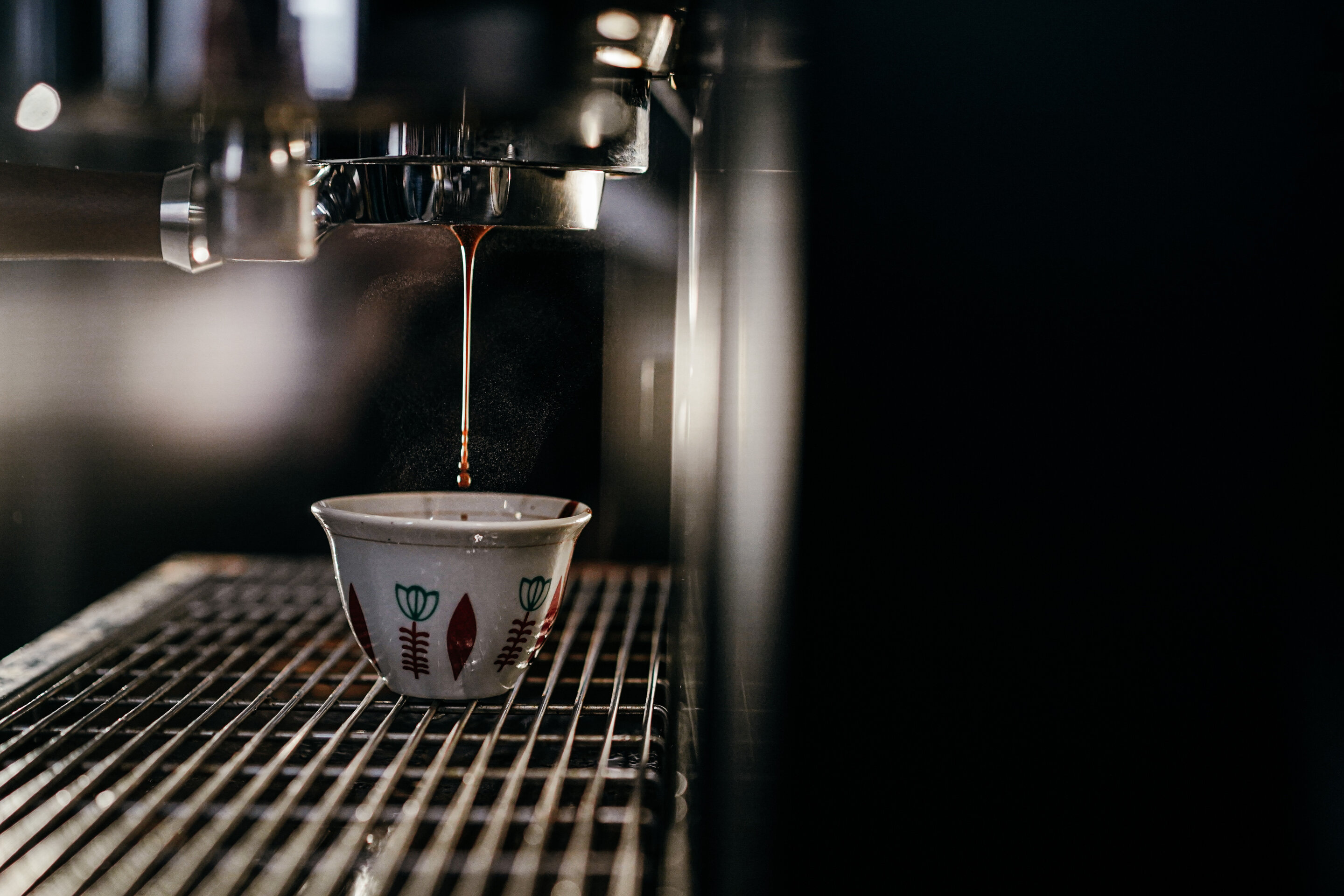
Espresso grounds do not keep behaving like an ordinary porous material when brewing pressure rises, according to University of Warsaw researchers. The finding helps explain why channeling, a common cause of uneven extraction and bitter flavor, can be hard for baristas to control.
The work, published in Physics of Fluids, grew out of a question from baristas at the Warsaw Coffee Conference, according to the American Institute of Physics. Asked what they most wanted scientists to solve, they pointed to channeling, the problem that occurs when hot water cuts preferential routes through a compressed espresso puck instead of passing evenly through the grounds.
Maciej Lisicki and colleagues at the University of Warsaw used a barista-grade espresso machine fitted with a pressure sensor to brew hundreds of shots at different pressures, AIP reported. Their goal was to build a mathematical description of how pressure affects flow through the packed coffee bed.
At relatively low pressures, the team found that the espresso puck acted as a standard porous medium, AIP said. In that regime, increasing pressure produced a proportional increase in the amount of liquid flowing through the coffee.
That relationship changed at pressures closer to those used for espresso. Lisicki told AIP that espresso is commonly brewed at roughly six to nine times atmospheric pressure, and at those levels the team saw behavior that did not match the low-pressure pattern.
According to the researchers, after about 30 to 40 seconds of brewing, the coffee dissolves and the remaining material can be treated as poroelastic. AIP said that means the puck shows nonlinear pressure behavior: once pressure increases past a certain point, water flow through the coffee no longer rises with it.
Lisicki said the coffee community had discussed poroelastic compaction before, but without systematic evidence. He told AIP that the team believes it has characterized the effect and used it to develop a theoretical description.
The model also gave the researchers a way to account for variation in flow under different applied pressures, Lisicki said. He added that it may help explain dissolution dynamics earlier in the brewing process.
The group plans to continue studying the physics of espresso, AIP reported. Along with tracking how water moves through the puck, the researchers intend to use glass beads in imaging experiments so they can observe a process that is usually hidden inside brewing equipment.
The paper, titled “Under pressure: Poroelastic regulation of flow in espresso brewing,” was published in 2026 in Physics of Fluids.
This story draws on original reporting from Phys.org.