
Engineered fungi could help recover critical minerals from mine waste
University of Queensland researchers say engineered fungal strains can detoxify tailings and release rare earths without harsh chemical leaching.
By Priya Raghavan · Science Reporter
3 min read
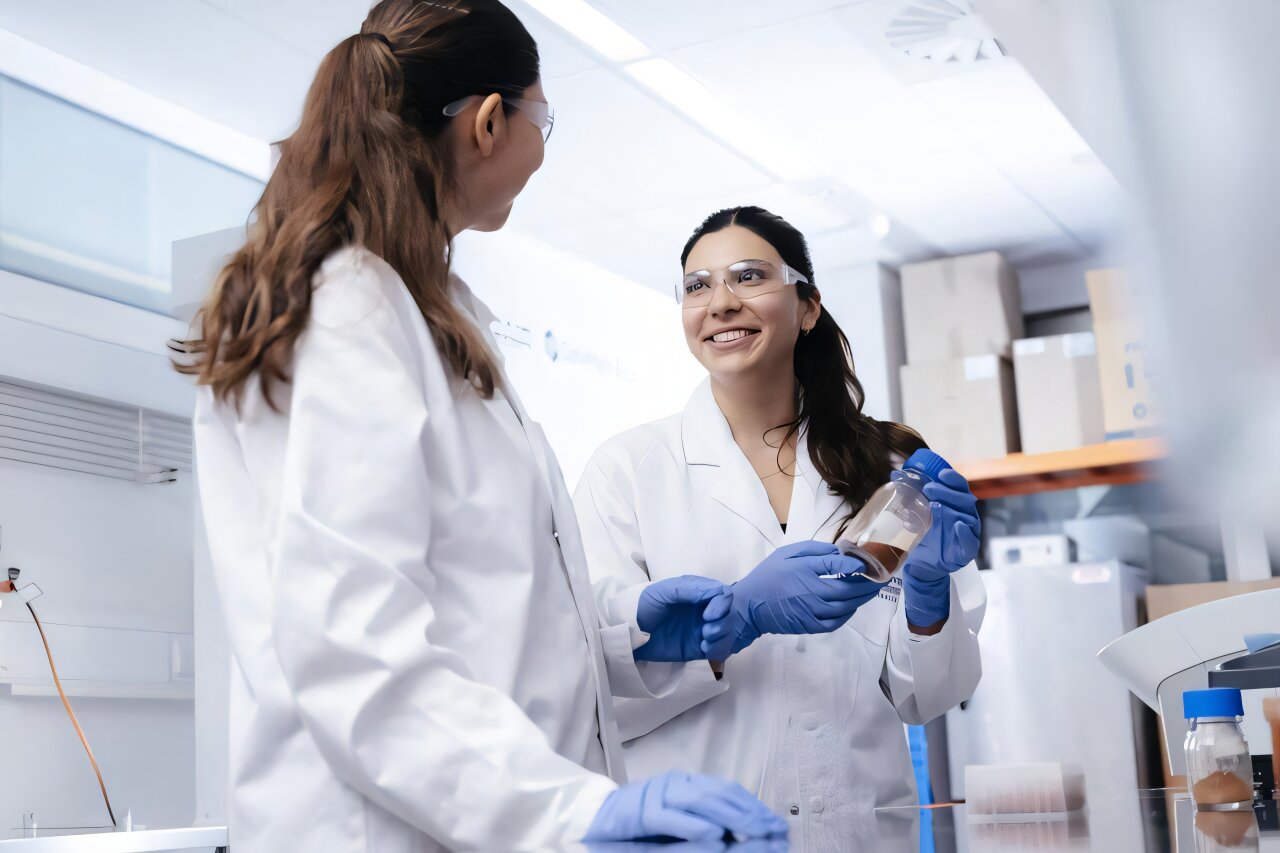
Researchers at the University of Queensland say engineered fungi could offer a cleaner way to recover critical minerals from toxic mining waste. The work matters because mine tailings can contain valuable metals, but current recovery methods often depend on costly acids and solvents that can harm the environment.
The university said environmental engineers at its new Biosustainability Hub are developing fungal strains that can survive harsh mine-waste conditions, help detoxify tailings and capture traces of rare earth elements. The process is being designed as a biological alternative to conventional leaching, the chemical method commonly used to pull metals from tailings.
Dr. Denys Villa-Gomez, who is leading the work, said the team starts with fungi found naturally in mining environments and strengthens them for more demanding conditions. According to Villa-Gomez, the approach has shown promise for extracting high-value critical minerals including vanadium and scandium, which are used in electronics and microchips.
The university said the fungi are improved through adaptive laboratory evolution, a process in which organisms are exposed over time to difficult conditions so more resilient strains survive. Villa-Gomez compared the idea to giving the fungi “super” traits by forcing them to adapt to toxic surroundings.
At the Biosustainability Hub, bioreactors combine mining waste with the engineered fungi and a feedstock, according to the university. Fernanda Soto-Montandon, a Ph.D. candidate working on the project, said the fungi consume the feedstock and produce organic acids as part of their normal metabolism.
Soto-Montandon said those acids break down the mineral structure in the waste and move trapped metals into a liquid form. The metals can then be recovered for reuse, turning some waste material into a resource through a lower-impact biological process, she said.
The university said the work is part of the $70 million Biosustainability Hub, which was launched last week by federal Assistant Minister for International Education Julian Hill. The hub is intended to support cleaner methods for manufacturing, energy, mining and food production, according to Professor Esteban Marcellin, its director.
Marcellin said the facility uses synthetic biology to engineer microbes and other biological systems so waste, emissions and low-value materials can be converted into higher-value products. He said the hub is meant to help companies move discoveries from early research toward practical use.
According to Marcellin, the hub’s work includes sustainable mining, waste management, fermentation scale-up and bioreactor optimization. The university presented the fungal mineral-recovery effort as one example of how the facility could connect laboratory biology with industrial problems.
Villa-Gomez said using fungi for bioleaching could be both more environmentally responsible and more cost-effective than traditional extraction methods. The team hopes the fungi could eventually be used at mine sites to recover minerals while also helping repair contaminated land, and Villa-Gomez said the researchers are working with industry partners to test the technology in the field.
This story draws on original reporting from Phys.org.