
Engineered bacterium makes bioplastic from potato starch in a day
University of Barcelona researchers report a one-step method using modified Bacillus subtilis to convert unprocessed potato starch into PHB.
By Tom Brennan · Health & Medicine Correspondent
3 min read
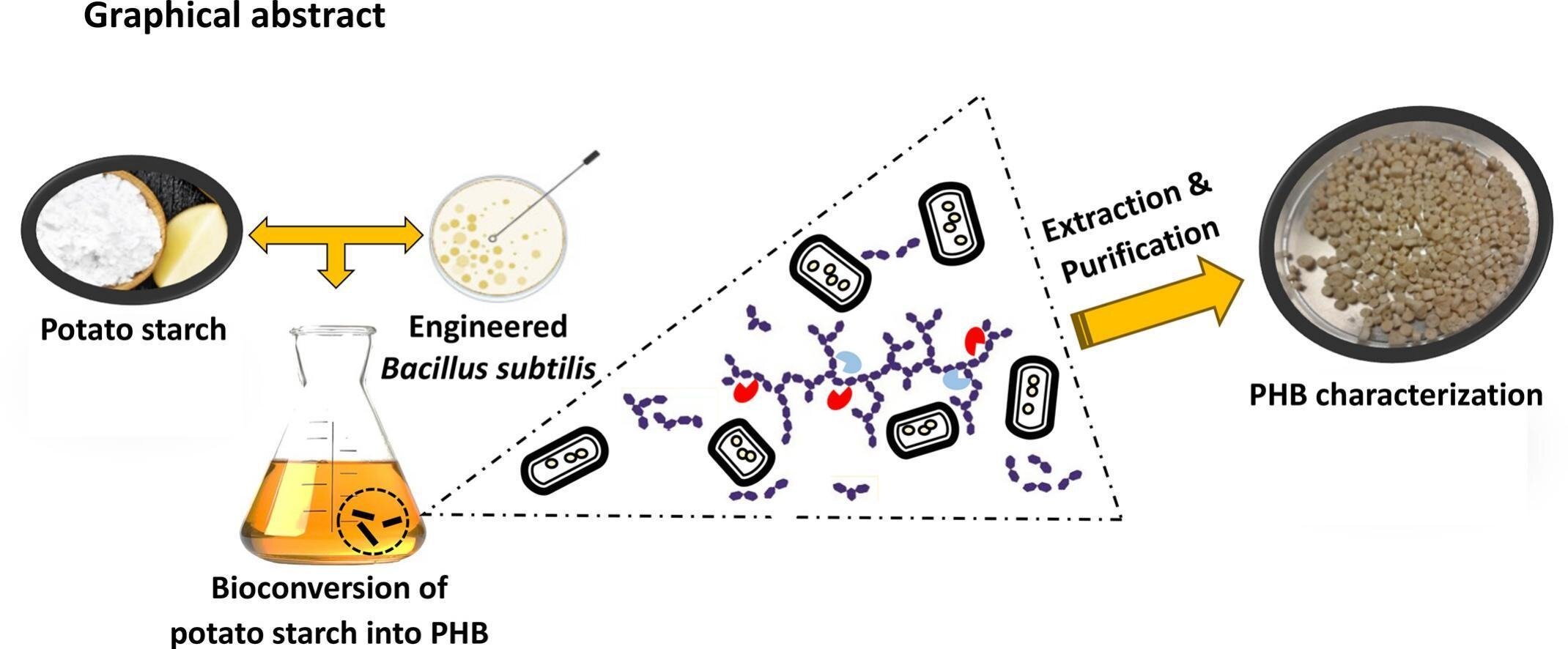
Researchers led by the University of Barcelona have engineered a bacterium to make a biodegradable plastic from unprocessed potato starch in 24 hours. The work points to a possible route for producing polyhydroxybutyrate, or PHB, from a low-cost agricultural byproduct instead of petroleum-based feedstocks.
The study, published in Bioresource Technology, used genetically modified Bacillus subtilis, a bacterium the university described as safe and widely used in industrial biotechnology. The research was led by Pere Picart of the University of Barcelona’s Faculty of Pharmacy and Food Sciences, with major contributions from Mercedes Berlanga of the same faculty and the university’s Biodiversity Research Institute.
How the process works
According to the University of Barcelona, the team redesigned the metabolism of B. subtilis using CRISPR-Cas9-based genetic engineering. The goal was to improve the bacterium’s ability to accumulate PHB, a renewable biopolymer that can biodegrade.
The researchers said earlier work had shown limited PHB production in B. subtilis, with accumulations below 13% of dry cell weight. They said that meant the pathway for making the polymer and the formation of polymer granules needed further optimization before the bacterium could be useful as a production platform.
In the new work, the team integrated and expressed the gene phaA and controlled expression of the phaRBC operon, according to the study. The researchers also added the amyQ gene, which encodes an alpha-amylase enzyme, allowing the bacterium to convert untreated potato starch directly into PHB during a single 24-hour process.
In flask-scale cultures, the engineered strain produced 11.3 grams per liter of biomass and 5.8 grams per liter of PHB, the University of Barcelona reported. PHB reached 51.8% of the cells’ dry weight, and the researchers said the polymer purity was comparable to commercial standards.
Why potato starch matters
The university described potato starch as abundant and inexpensive, making it a candidate raw material for lower-cost bioplastic production. The reported process avoids a separate starch pretreatment step by enabling the bacterium to use unprocessed starch directly.
PHB is one of several bio-based plastics studied as alternatives to conventional plastics made from petrochemicals. The University of Barcelona said environmental and life-cycle studies indicate that bio-based bioplastics such as PHB can have lower carbon footprints and reduced climate impacts compared with many petroleum-based plastics, especially when made from waste-derived raw materials.
The researchers framed the work against the scale of global plastic production. The university said hundreds of millions of tons of petrochemical plastics are made each year, with substantial amounts entering the environment or being burned, adding to pollution and greenhouse gas emissions.
The paper identifies engineered B. subtilis as a potentially useful industrial platform for producing PHB from renewable carbon sources. The publication is listed as Maryia Shahayeva et al., “One-step polyhydroxybutyrate production from potato starch by engineered Bacillus subtilis,” in Bioresource Technology, with DOI 10.1016/j.biortech.2026.134933.
This story draws on original reporting from Phys.org.