
Dwarf mongooses adjust patrols before rival groups appear
A University of Bristol study found the animals change movement, calls and sleeping choices in places where clashes with neighboring groups are more likely.
By Lucas Ferreira · Science & Environment Writer
3 min read
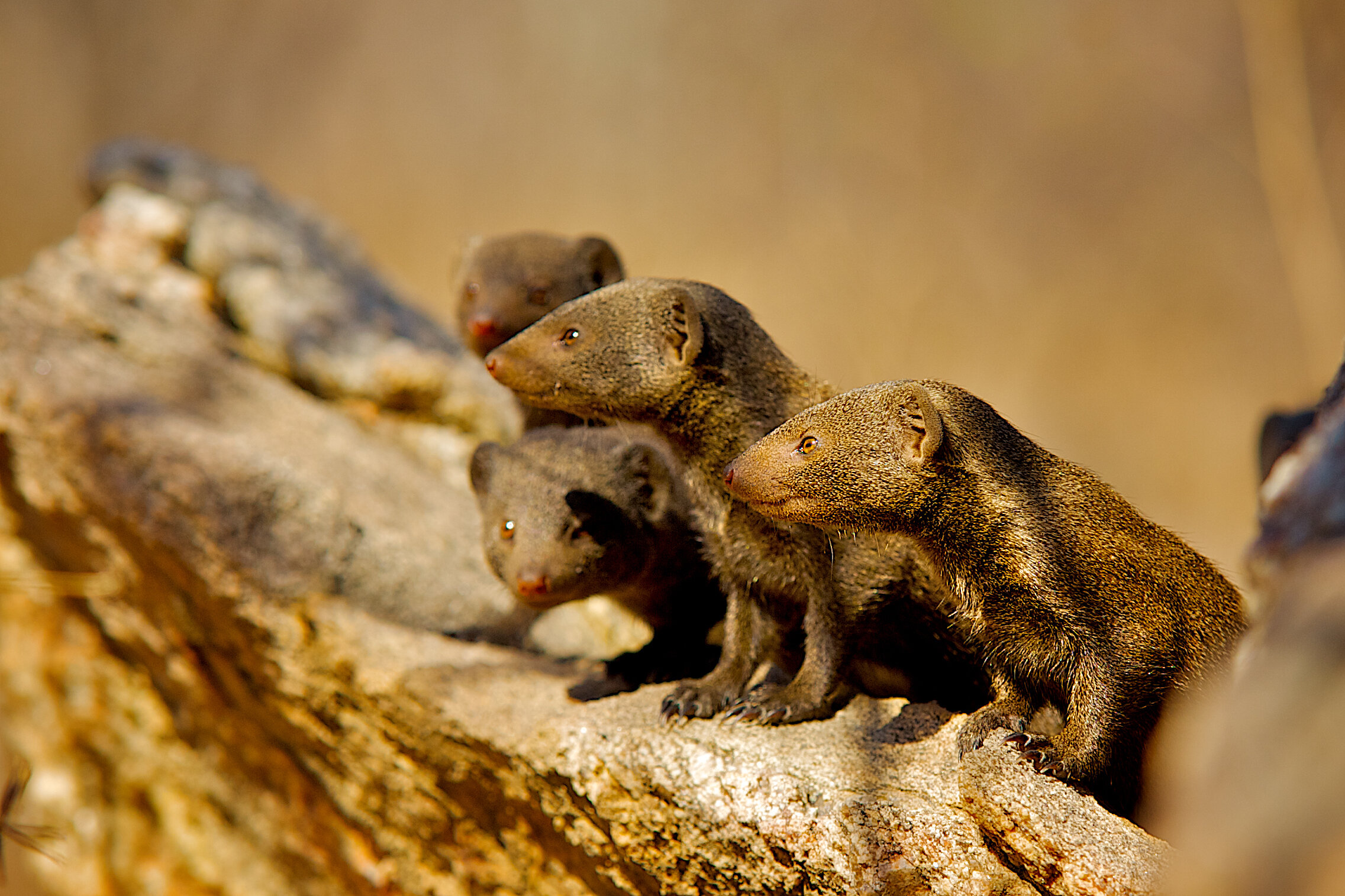
Dwarf mongooses change their behavior before they meet rival groups, according to research from the University of Bristol. The findings suggest the small carnivores use information about likely threats to reduce danger and improve their chances in future territorial disputes.
The study, published in Nature Ecology & Evolution, found that mongoose groups alter how they move through their territory, how they communicate and how they protect resources in areas where conflict with neighbors is most likely. The researchers said these changes happen even when no rival group is present.
Dwarf mongooses are Africa’s smallest carnivores, according to the University of Bristol. They live in groups of five to 30 animals and defend territories against neighboring groups. Encounters can escalate into fights that may cause injury or death.
Dr. Josh Arbon of the university’s School of Biological Sciences, the study’s lead author, said the animals appear to track where enemies are likely to be and take account of how large those rival groups are. The research team found that groups adjusted their behavior most strongly when the expected risk was highest.
The work was carried out in South Africa and drew on 10 years of observations and GPS data from wild dwarf mongooses. The animals were habituated to the close presence of human observers, allowing researchers to collect detailed information under natural conditions, according to the university.
The study found different responses to different kinds of threat. Mongooses acting as sentinels called more when the potential danger came from a larger rival group, the researchers reported. Other decisions, including where a group spent the night, shifted most when nearby rivals were closely matched in strength, a situation in which fights can be especially costly.
Professor Andy Radford, the senior author and a behavioral ecologist at the University of Bristol, said intergroup battles are dangerous for the animals. He said the new work shows that mongooses make ongoing behavioral changes that can lower those risks and raise the likelihood of doing better in later contests.
Arbon said the findings help explain how smaller groups can persist around stronger competitors. According to the university, the animals do this partly by changing how they use space and by sharing information about possible dangers before conflict occurs.
The research formed part of the long-running Dwarf Mongoose Research Project, which was pioneered by co-authors Dr. Julie Kern and Dr. Amy Morris-Drake. Kern said the species is well suited for this kind of study because conflict with other groups has a strong effect on its daily life and because researchers can observe the animals closely in the wild.
Morris-Drake, a research associate, said the results point to a broader lesson about animal conflict. According to the University of Bristol, the study shows that animals may make repeated decisions under the pressure of rivalry, rather than changing behavior only during direct encounters.
This story draws on original reporting from Phys.org.