
Drought likely drove hunters from ancient Montana bison site
A Frontiers study links the Bergstrom site's abandonment about 1,100 years ago to water stress and changing bison hunting practices.
By Lucas Ferreira · Science & Environment Writer
3 min read
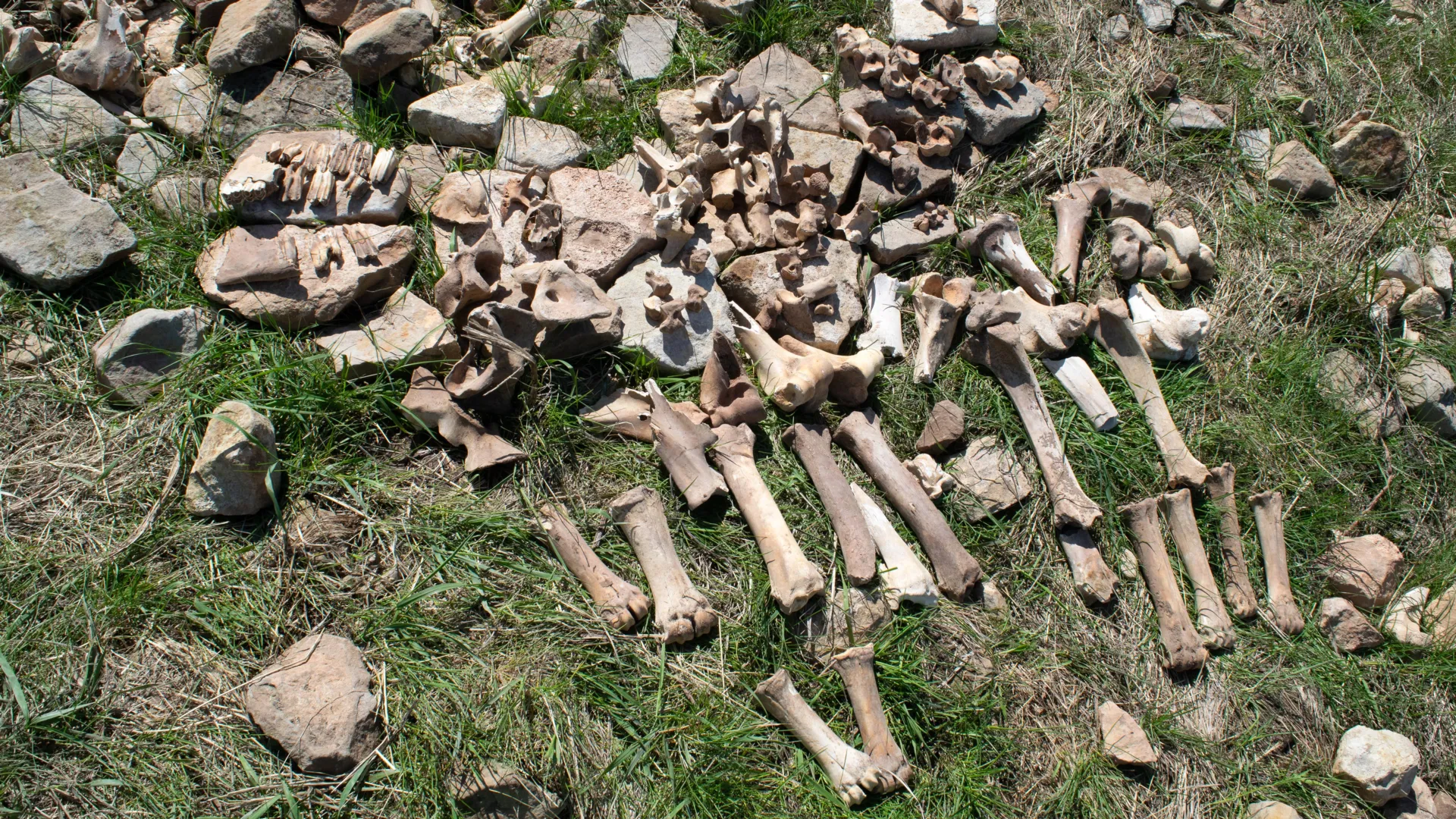
Indigenous hunters appear to have stopped using a central Montana bison kill site about 1,100 years ago because repeated droughts made the place harder to use, not because bison had disappeared. The finding matters because it points to water access and social organization, rather than prey scarcity, as key forces shaping ancient hunting decisions on the Great Plains.
The study, published in Frontiers in Conservation Science, examined the Bergstrom site, a location used off and on for roughly 700 years. According to Frontiers, bison remained common in the region when use of the site ended, making its abandonment an archaeological puzzle.
John A. F. Wendt, a paleoecologist and assistant professor of rangeland ecosystem management at New Mexico State University, led the research. Wendt said the evidence indicates that harsh, recurring droughts reduced water in a small nearby creek, limiting the ability of hunters to process large numbers of animals there.
Evidence from excavation and climate records
The research team investigated the site in spring 2019 by digging nine test pits, each measuring 1 meter by 1 meter. They documented artifacts and other materials, photographed finds and submitted charcoal samples for radiocarbon dating, according to Frontiers.
The researchers also collected two sediment cores near the excavation area. They analyzed the cores for pollen and charcoal and combined those results with information on past climate and large herbivore activity.
Those lines of evidence helped the team assess several possible explanations for the site's decline. Wendt said the data did not show that vegetation changed substantially, that fire patterns shifted in a meaningful way or that bison were no longer available.
The study therefore argues that hunting activity at Bergstrom was not simply tracking bison numbers. Instead, the researchers found that environmental stress made the site less useful under changing conditions.
Water needs grew as hunting changed
Frontiers said droughts affected the region before and after the final abandonment of the site. Those dry periods would have made places without reliable water less attractive, especially for larger hunting operations.
The study also places the abandonment within broader changes in hunting organization. According to the researchers, smaller and more mobile hunting groups were increasingly giving way to larger, more coordinated efforts.
Wendt said those larger operations could support big kills, surplus production, trade and winter storage. But they also depended more heavily on resources such as water, forage and fuel for processing fires.
That shift made the choice of hunting locations more restrictive. The researchers said strong sites needed both dependable resources and landscape features useful for driving or holding bison, including cliffs for jumps or natural barriers.
Once hunters established such specialized places, Frontiers said, some were used repeatedly for centuries. But that specialization also carried risk when key resources became less dependable.
Limits of the findings
The researchers said the Bergstrom findings may help modern bison management by underscoring the value of flexibility as environmental conditions change. They also cautioned that other abandoned bison hunting sites in the region may have been left for different reasons.
The study does not determine how long each period of occupation lasted or how often hunters used Bergstrom during its roughly 700 years of activity. The researchers also said light or occasional use after the site's apparent abandonment may not have left archaeological traces that can now be detected.
Wendt said the case shows that people in the region reorganized in response to repeated drought during the past 2,000 years. According to Frontiers, the work highlights long-running human adaptation to climate stress rather than a simple story of resource disappearance.
This story draws on original reporting from ScienceDaily.