
DNA does not prove Neanderthal men preferred Homo sapiens women
A new commentary argues genetic patterns show uneven inheritance, not prehistoric romance or evidence of attraction between human groups.
By Lucas Ferreira · Science & Environment Writer
3 min read
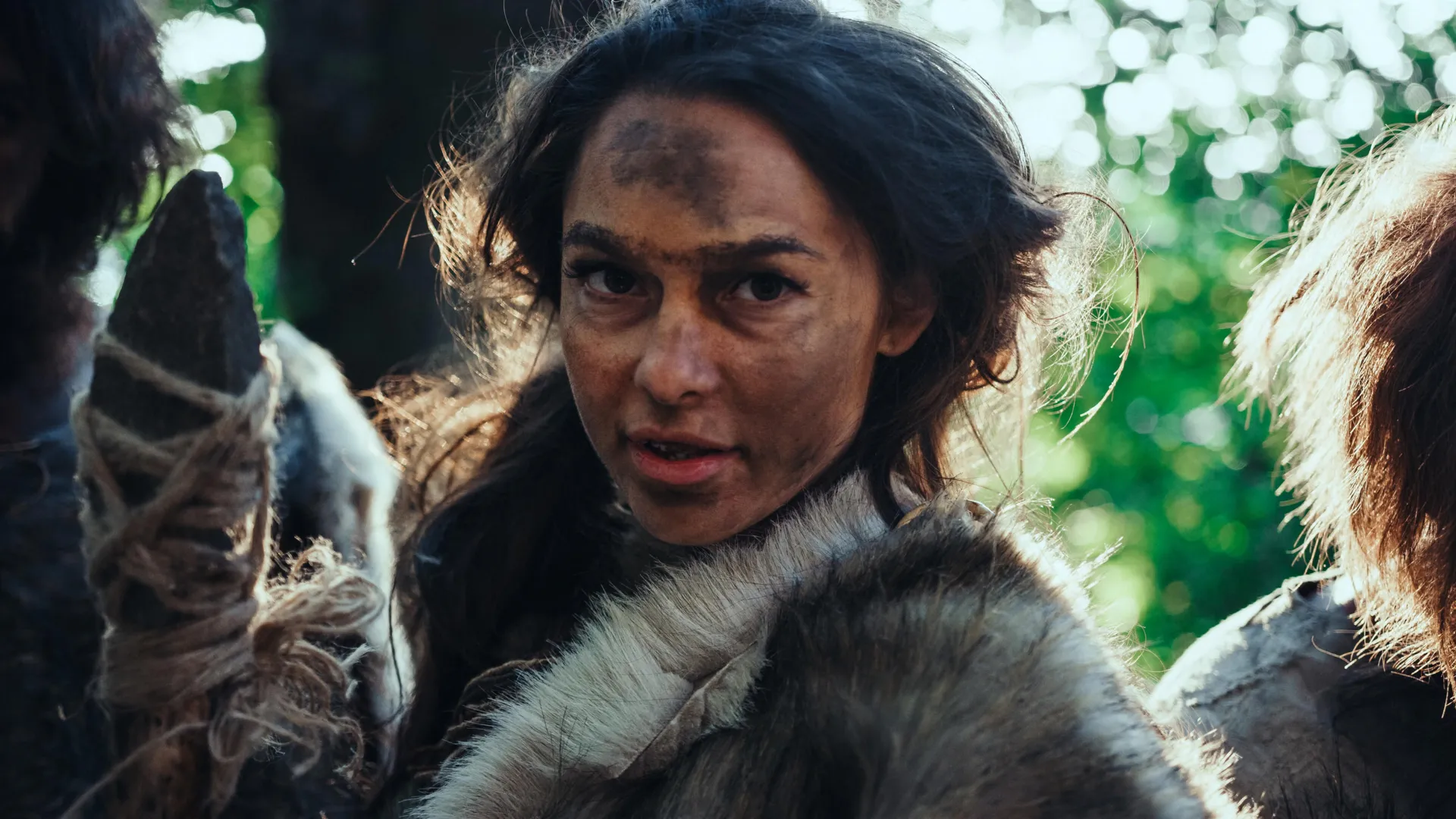
Claims about Neanderthal men favoring Homo sapiens women go beyond what ancient DNA can show, according to a commentary published by The Conversation and carried by ScienceDaily. Ludovic Slimak, an archaeologist and CNRS researcher at the Université de Toulouse, argues that a genetic asymmetry has been turned too quickly into a story about attraction.
The debate centers on a study in Science that examined why Neanderthal DNA in present-day non-African humans is more common on ordinary chromosomes than on the X chromosome. Slimak says the study tested several explanations, including natural selection, sex-biased population processes and partner preference, but did not directly demonstrate romantic choice or social preference.
What the genetics can and cannot show
According to Slimak, the DNA pattern can show that genetic material moved between Neanderthals and Homo sapiens, but it cannot reveal the terms of those encounters. The same pattern could reflect biology, migration, residence rules, alliance-making, capture, conflict or other forms of social organization.
The Science study, as described by Slimak, treats partner preference as one possible parsimonious explanation within a statistical model. He stresses that this is different from proving that Neanderthal males sought out Homo sapiens females, or that the unions reflected attraction.
Slimak points to the behavior of sex chromosomes as a major reason for caution. In a pairing between a Neanderthal father and a Homo sapiens mother, the father’s X chromosome would pass only to daughters, not sons. He also notes that, in hybridization between closely related groups, males can face greater survival or fertility problems, which can make the X chromosome lose DNA from another group more quickly.
That means a shortage of Neanderthal DNA on the X chromosome may reflect a known biological process rather than a trace of social preference, according to the commentary. Slimak argues that genetics records transmission and survival, not the motives or institutions behind reproduction.
Archaeology points to more complex social rules
Slimak says archaeological evidence should be brought into the discussion because DNA alone cannot reconstruct Neanderthal society. He highlights El Sidrón cave in northern Spain, where researchers identified remains from at least 12 Neanderthals.
At El Sidrón, three adult males shared the same mitochondrial lineage, while three adult females each had a different one, according to studies cited by Slimak. Because mitochondrial DNA is inherited through mothers, researchers interpreted the pattern as compatible with patrilocality: males staying in their birth group while females moved between groups.
That possible pattern matters because it offers an alternative frame for intergroup contact. If women often moved between communities, genetic asymmetries might have arisen from residence customs, exchanges, alliances or unequal relations rather than individual mating preferences.
Slimak also cites Goyet in Belgium, where remains attributed to four Neanderthal females and two immature individuals showed cut marks on five of them. He says researchers have proposed conflict-related cannibalism involving females from neighboring groups, while also warning that the sample is small, the excavations are old and spatial information is limited.
One-way gene flow complicates the romance account
The commentary also notes a chronological issue. Slimak says the Science study’s signal of Homo sapiens ancestry refers to an episode around 250,000 years ago, not direct evidence from the final period of contact between Neanderthals and Homo sapiens.
Available genomes, as summarized by Slimak, show Neanderthal ancestry in early ancient Homo sapiens from Eurasia, while the known late Neanderthal genomes do not show recent Homo sapiens contribution. He argues that this one-way flow from Neanderthals into Homo sapiens fits poorly with a simple story of recurring Homo sapiens women entering Neanderthal groups.
Slimak’s broader point is that ancient DNA has limits. It can identify inherited fragments and uneven patterns across chromosomes, but it cannot decide whether prehistoric encounters involved consent, coercion, exchange, hierarchy or violence.
This story draws on original reporting from ScienceDaily.