
Denisovan ancestry tied to immune genes in Pacific populations
A Yale-led genome study finds ancient interbreeding left active Denisovan variants in Near Oceanians, including changes linked to immune response.
By Priya Raghavan · Science Reporter
3 min read
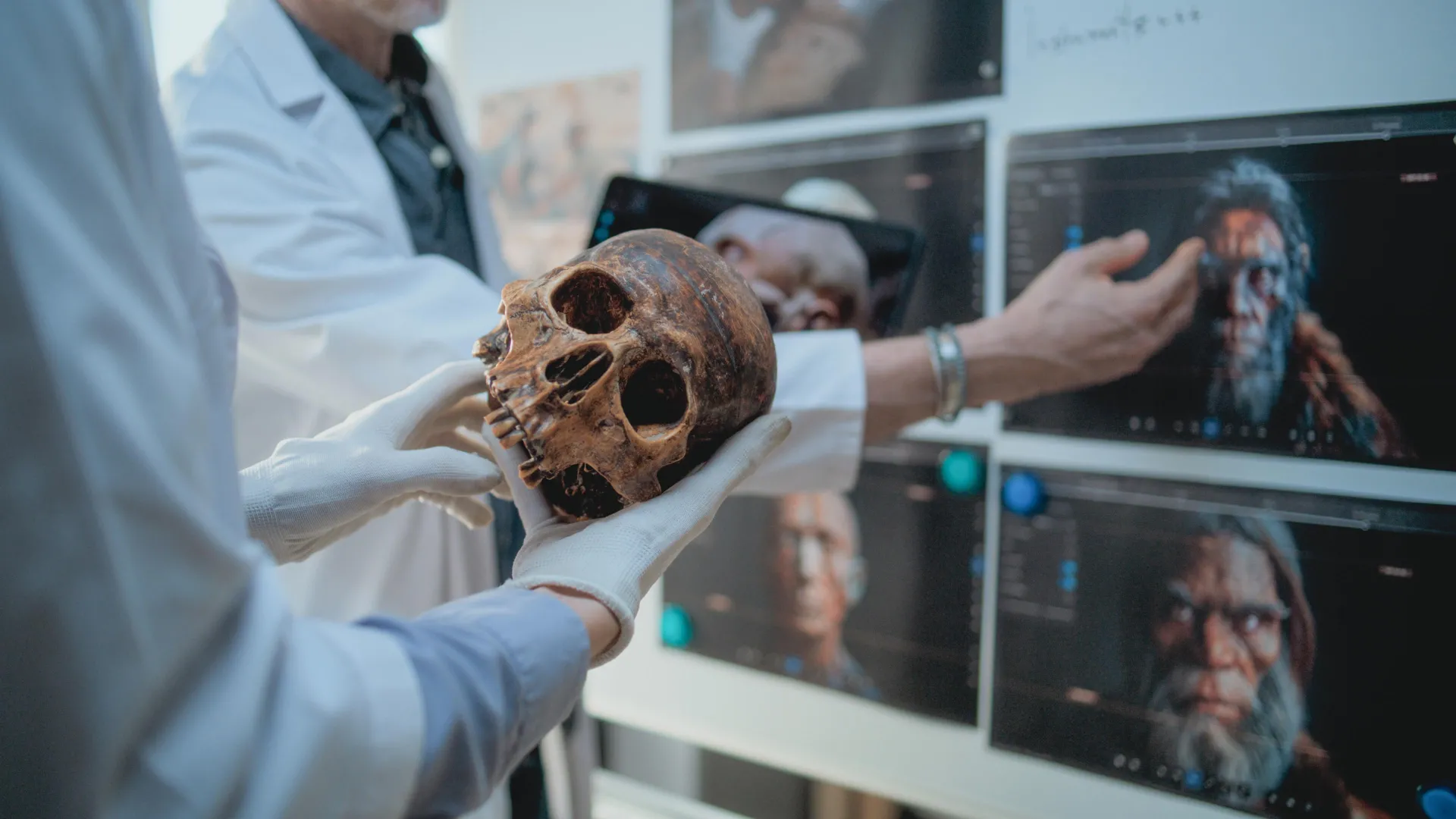
A Yale-led study reports that ancient interbreeding with Denisovans left genetic variants that still affect gene activity in people from Near Oceania. The findings matter because populations in the South Pacific have often been left out of large genomic studies, limiting what researchers can infer about human history and health.
The research, published June 11 in Science, analyzed genomes from 177 people across 12 populations in Near Oceania, a region that includes Papua New Guinea, the Bismarck Archipelago and the Solomon Islands. The team compared those data with 1,284 previously published genomes from populations worldwide, according to Yale University.
Yale said the work offers one of the broadest examinations to date of genetic diversity in Oceania. Serena Tucci, a Yale anthropology professor and senior investigator on the project, said the lack of Oceanian representation in genomics has constrained research on human evolution and could worsen gaps as genetics is used in medicine.
Multiple Denisovan lineages
The study focused on Near Oceanians, whose ancestors were among the first people to settle the Pacific at least 45,000 years ago, according to Yale. Researchers found evidence that those ancestors mixed with at least three separate Denisovan-related groups.
Denisovans are an extinct human relative first identified from fossil material found in Siberia. Earlier research had shown that DNA from extinct groups, including Denisovans and Neanderthals, remains in present-day human genomes, Yale said.
The new work goes further by testing whether inherited Denisovan variants affect how genes operate. According to Yale, the team used a massively parallel reporter assay, a genomic method that can measure how specific genetic variants change gene expression.
That analysis identified more than 3,100 variants that alter gene activity, according to the study summary from Yale. The researchers said many of those variants appear to have been favored by natural selection and remain functional in modern humans.
Immune system links
Yale said many of the active Denisovan variants were connected to the interferon-gamma signaling pathway, part of the immune system’s response to infectious disease. Patrick Reilly, the study’s first author and an associate research scientist in Yale’s Human Evolutionary Genomics Laboratory, said the results point to Denisovan DNA helping ancient people respond to viruses and bacteria they encountered in Near Oceania.
The researchers also reported evidence that Denisovan-inherited DNA contributes to skeletal development. Yale said the team found adaptive Denisovan variants in TRPS1, a gene also reported to have undergone strong positive selection in central African rainforest hunter-gatherers and highland populations in Ecuador.
According to Yale, that pattern suggests similar evolutionary pressures can favor changes in the same gene in far-flung populations living in different environments. The study frames Denisovan inheritance as part of the biological record of how humans adapted after moving into new regions.
The paper, titled “Long-term isolation and archaic introgression shape functional genetic variation in Near Oceania,” lists authors from Yale, Binghamton University, Temple University and the Papua New Guinea Institute for Medical Research. Yale said the work was funded by the National Institute of General Medical Sciences and the National Human Genome Research Institute, both part of the National Institutes of Health.
This story draws on original reporting from ScienceDaily.