
Woodcock hens seen charging deer near nests in rare footage
University of Maine researchers say nest cameras recorded American woodcock confronting white-tailed deer in West Virginia.
By Lucas Ferreira · Science & Environment Writer
3 min read
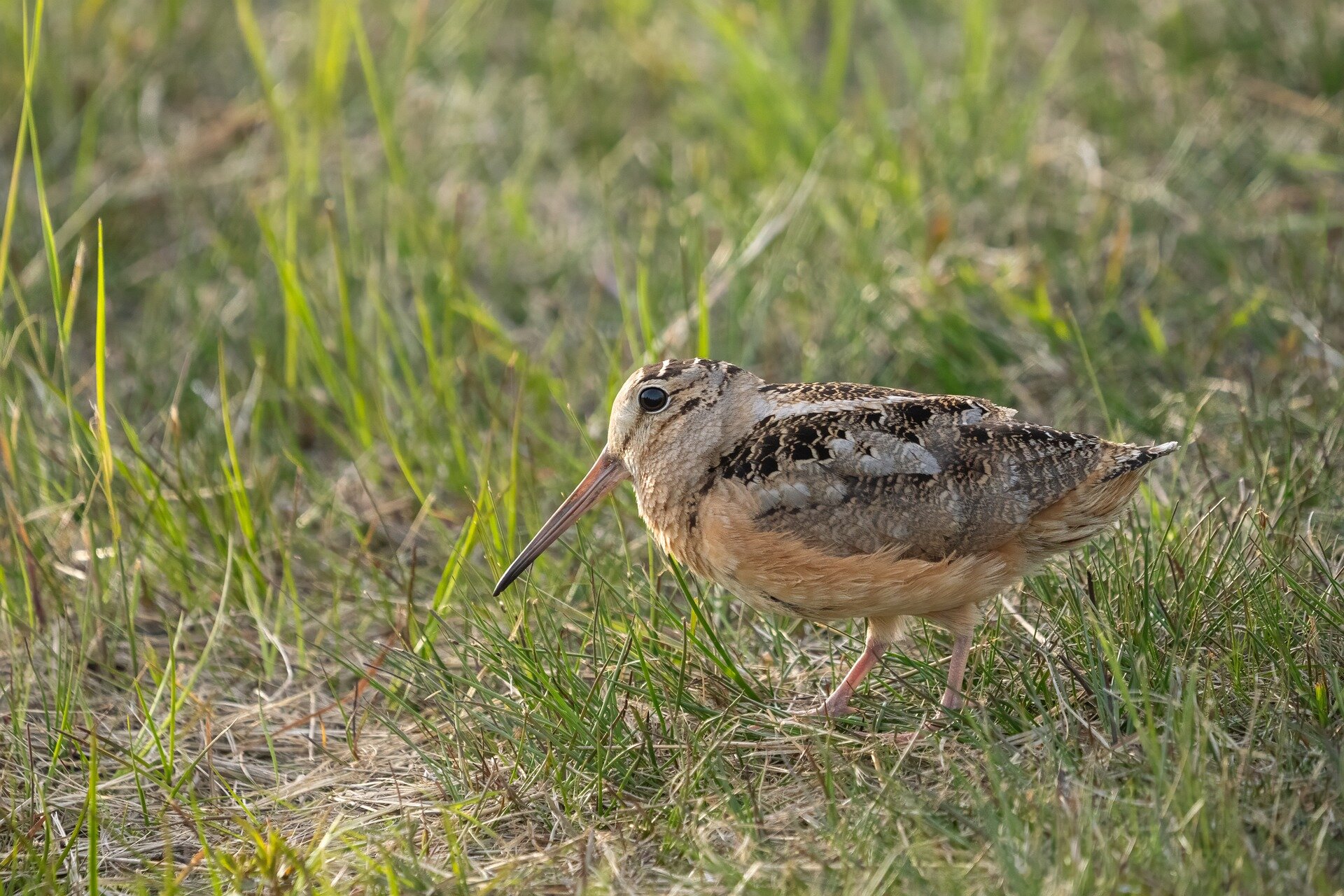
American woodcock hens were recorded charging, calling at and even flying into white-tailed deer that came near their ground nests, according to University of Maine researchers. The observations matter because deer are often treated as a minor risk to nesting birds, while the footage shows woodcock can treat them as nest threats.
The research team described the behavior in a study published in the journal Ecology. The researchers said the video may be the first recorded evidence of nesting birds aggressively driving deer away.
The events were captured in West Virginia in April 2024 as part of camera monitoring tied to the Eastern Woodcock Migration Research Cooperative, according to the University of Maine. In one recorded encounter, a hen lunged at a deer that was sniffing near the nest, and the deer left.
Ground nests put woodcock within reach
American woodcock nest on the ground, where eggs and chicks can be exposed to animals moving through the same habitat. The University of Maine researchers said woodcock usually depend on mottled feathers that help them blend into leaf litter and other cover.
The birds also use a broken-wing display, according to the researchers, a tactic meant to draw a predator away from eggs or young. The newly reported footage shows another response: direct confrontation with a much larger animal.
In six April 2024 encounters, five nesting hens reacted to approaching deer by chirping, posturing, charging or flying into them, the researchers reported. The deer responded by walking away or running from the area.
Kylie Brunette, the study’s lead researcher and a University of Maine Ph.D. student in wildlife ecology, said the small number of incidents prompted the team to think more about deer as possible nest predators. She said the range of responses raised questions about how such interactions may shape wildlife communities.
Most deer visits drew no response
The aggressive behavior was uncommon within the larger camera record. The researchers reported 73 cases in which deer approached a woodcock nest, but only six led to active defense by a hen, including two involving the same bird.
In the other cases, the woodcock did not react to the deer, according to the study. Amber Roth, an associate professor of forest wildlife management at the University of Maine and a study collaborator, said woodcock incubate eggs for about three weeks, a relatively long period for smaller birds, and nest commitment can grow as incubation continues.
Roth said the footage shows hens can protect nests in more than one way. Some remained still and relied on camouflage, while others used more forceful behavior when deer came close.
The researchers also found that deer were detected at 68% of the monitored nests, though they interacted with nests only part of the time. The team said none of the deer ate eggs from the nests under camera surveillance.
Erik Blomberg, a University of Maine professor of wildlife population ecology and study collaborator, said deer are considered overabundant in some parts of the eastern United States, creating concern about effects on other species. He said the findings suggest nesting woodcock can use several behaviors in places where deer are common.
This story draws on original reporting from Phys.org.