
Study finds cross-species signals help animals cooperate
A review in Animal Behaviour says calls, postures, colors and chemical cues help different species trade food, cleaning and protection.
By Lucas Ferreira · Science & Environment Writer
3 min read
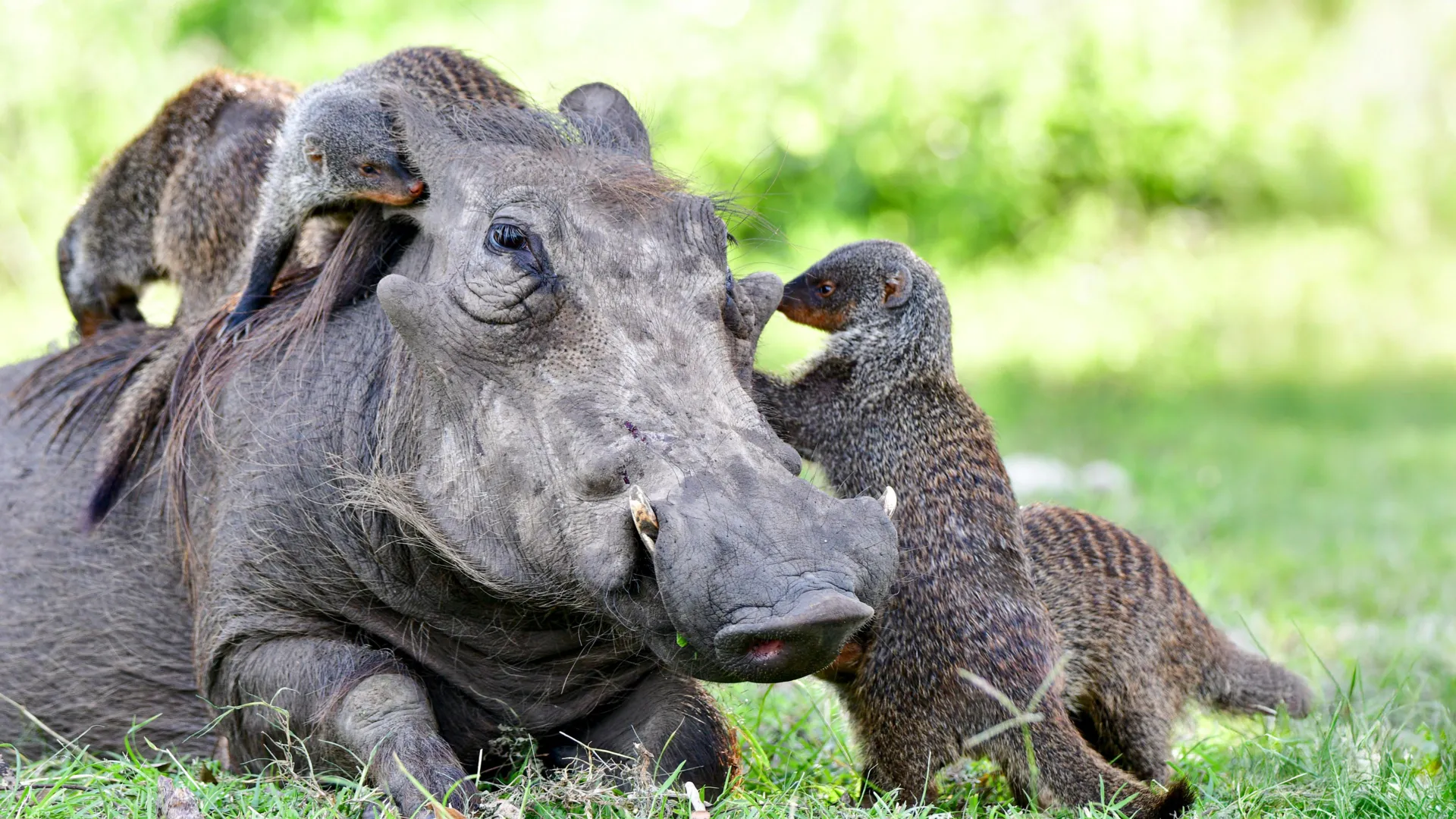
Animals from different species use signals and cues to coordinate cooperation more often, and in more varied ways, than scientists once recognized, according to a new review in Animal Behaviour. The work matters because these exchanges can help animals find food, remove parasites, avoid predators and maintain relationships that benefit both sides.
The review, led by K. Dunkley and senior author J.E.M. van der Wal, brings together evidence on how animals share information across species through sounds, movements, visual displays, chemicals and vibrations. The University of Cape Town Faculty of Science said the paper examines examples from birds, fish, insects and mammals.
The authors argue that cooperation between species often depends on timing and trust. Animals may need to act together toward a shared resource, or one species may provide a service while the other offers access to food or safety, according to the review.
Signals that start cooperation
One well-known case involves greater honeyguides, birds that lead people to bees’ nests. According to the researchers, the birds use specialized calls to attract humans and can respond to calls made by humans during the search.
The review also describes cleaning relationships, including cleaner fish that remove parasites from larger reef fish and get food in return. In another example highlighted by the University of Cape Town, banded mongooses may clean common warthogs by removing ticks and other parasites, while warthogs can provide access to food and safety through their presence and vigilance.
Some animals signal that they are ready for a service. The researchers said warthogs can use particular body postures to invite birds and mammals to clean them, while fish seeking cleaning services often adopt recognizable positions such as headstands or tail stands.
Reducing risk between species
The review says communication also helps animals judge whether an interaction is safe. That can matter when the partner is a predator or when a species could exploit the exchange instead of cooperating.
According to the authors, some cleaner fish, including Labroides dimidiatus, and cleaner shrimp, including Urocaridella species, use bright coloration and distinctive movements that identify them as cleaners to predatory fish. Lycaenid butterfly larvae use chemical and vibrational signals that prompt ants to protect them rather than eat them, the researchers said.
The authors said researchers may miss key communication if they focus too narrowly on visual displays. Many cooperative systems appear to involve several senses, including sound, touch, smell and vibration.
Signals can change by place and context
The review finds that some cross-species signals are consistent, while others shift with local conditions. The authors cite fish cleaning postures as relatively predictable and dolphin-fisher interactions as more variable, with fishermen in different regions interpreting different dolphin behaviors as cues for casting nets.
According to van der Wal, who is affiliated with the University of Cape Town’s FitzPatrick Institute of African Ornithology, variation can depend on the ecology, the species involved and whether a signal is learned or inherited. Dunkley, a University of Oxford researcher, said studying information flow between species can show how communication systems begin, change and sometimes coevolve.
The paper grew out of a July 2023 interdisciplinary workshop in Cambridge on interspecies cooperation, according to the University of Cape Town. The resulting review lists 58 authors from fields including anthropology, biology and linguistics.
The authors call for broader studies across more animal groups and experiments on how signals arise, persist and shape cooperation. The review was published under the title “The ecology and evolution of cues and signals in animal interspecies cooperation.”
This story draws on original reporting from ScienceDaily.