
Study links common stroke type to damaged brain vessels
Researchers found lacunar strokes were tied more strongly to enlarged brain arteries than to fatty narrowing in larger vessels.
By Priya Raghavan · Science Reporter
3 min read
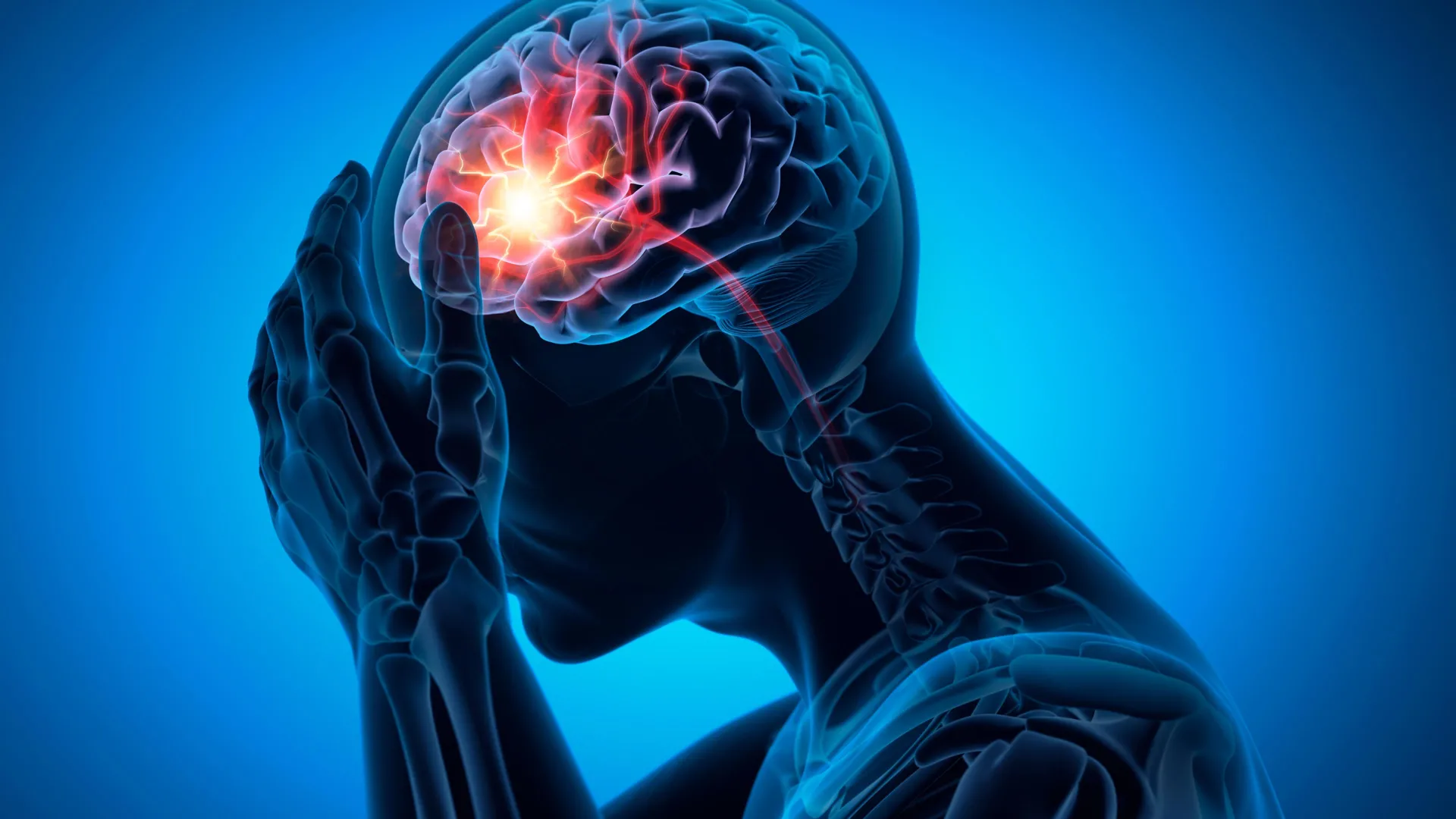
Scientists say a common form of stroke may be driven by damage in small blood vessels inside the brain rather than by fatty buildup in larger arteries. The finding could help explain why standard prevention drugs have had limited results for lacunar ischemic stroke, according to the University of Edinburgh.
The research, published in Circulation, examined people who had experienced either a lacunar stroke or a mild non-lacunar stroke. Lacunar stroke is linked to small vessel disease, a condition that damages the brain’s smallest blood vessels and is associated with disability, cognitive decline, dementia and higher risk of later strokes, according to the university.
Researchers from the University of Edinburgh, the UK Dementia Research Institute and international partners studied 229 participants. Each received clinical and cognitive assessments and MRI brain scans soon after the stroke and again one year later.
The scans allowed the team to compare signs of stroke type, small vessel disease and new brain injury over time. The researchers focused on two vessel changes: fatty narrowing in larger arteries and widening or elongation of arteries within the brain.
Enlarged arteries showed the stronger link
The University of Edinburgh said the study found no association between narrowing in large arteries and lacunar stroke or small vessel disease. Large-artery narrowing appeared more often in other kinds of stroke, but it did not predict new brain injury on later scans, according to the researchers.
Artery widening showed a different pattern. Participants with enlarged arteries were more than four times as likely to have had a lacunar stroke, the university said.
The researchers also linked artery widening to more severe small vessel disease, faster progression of brain injury and a higher chance of new “silent” strokes. These are small areas of brain tissue damage caused by disrupted blood supply that may occur without obvious symptoms.
More than one in four participants developed silent strokes during the study period, according to the University of Edinburgh. The university said this occurred despite participants receiving standard treatments meant to prevent further strokes.
Findings point to different treatment targets
The results suggest that treatments for lacunar stroke may need to focus more directly on the brain’s small blood vessels, rather than mainly targeting fatty plaque in larger arteries, according to the research team. The university said the findings are helping guide trials of therapies aimed at protecting those small vessels.
One such study is the LACunar Intervention Trial 3, or LACI-3. The trial is assessing whether existing drugs, including cilostazol and isosorbide mononitrate, can protect the brain, reduce the risk of additional strokes and limit longer-term problems with memory, movement and dementia after lacunar stroke, according to the university.
Joanna Wardlaw, professor of applied neuroimaging at the University of Edinburgh’s Institute for Neuroscience and Cardiovascular Disease and a group leader at the UK Dementia Research Institute, said the study provides strong evidence that lacunar stroke is caused by disease in small brain vessels rather than fatty blockage in larger arteries.
Wardlaw said that distinction could explain why antiplatelet drugs such as aspirin are less effective for this type of stroke and points to the need for therapies that address microvascular damage.
The study included researchers from China and Mexico. Funding came from the UK Dementia Research Institute, the Leducq Foundation, the Stroke Association, the British Heart Foundation, the Scottish Government’s Chief Scientist Office, the Row Fogo Charitable Trust, the Wellcome Trust and other national funding agencies, according to the University of Edinburgh.
This story draws on original reporting from ScienceDaily.