
Common low bone density can raise fracture risk before symptoms appear
Osteopenia affects about 40% of adults worldwide, and experts say scans, exercise and nutrition can help limit later bone loss.
By Tom Brennan · Health & Medicine Correspondent
3 min read
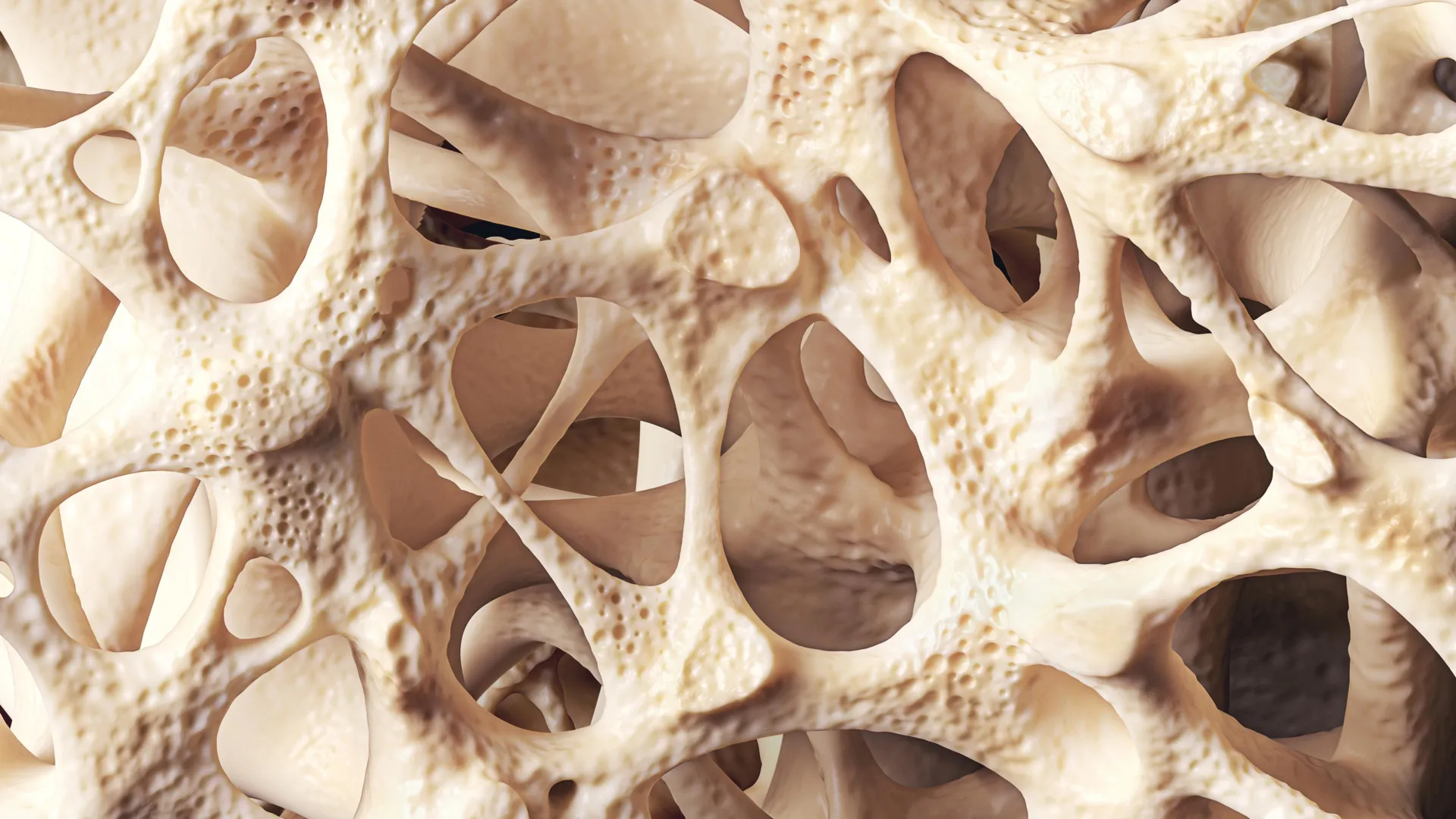
Osteopenia, a reduction in bone mineral density, affects about 40% of adults worldwide and can raise fracture risk before people notice any symptoms, according to The Conversation. Hasmik Jasmine Samvelyan, a senior lecturer in biomedical science at Anglia Ruskin University, wrote that the condition is common among older adults and postmenopausal women but often goes undetected until a fracture or bone scan reveals it.
Low bone density is linked to a large fracture burden. The Conversation cited estimates that more than 500,000 fractures occur each year in the UK because of low bone density, and that about one in two women over 50 will have a fragility fracture.
How bone density declines
Bone is living tissue that continually renews itself through remodeling, Samvelyan wrote. In that process, old bone is broken down and new bone is formed.
During early adulthood, those two processes are generally in balance, according to The Conversation. Bone mass usually reaches its highest point from the mid-20s to early 30s, after which bone breakdown gradually begins to outpace bone formation.
Aging is the main risk factor for bone loss, Samvelyan wrote, but other factors can speed the decline. The fall in estrogen after menopause can increase bone breakdown because estrogen helps slow the natural loss of bone tissue.
Lifestyle and health conditions also affect risk, according to The Conversation. Smoking, heavy alcohol use, physical inactivity, low calcium intake and low vitamin D can all weaken bone health, while long-term steroid use and conditions that affect hormones or nutrient absorption, including Crohn’s disease and coeliac disease, can add risk.
Detection and treatment options
Osteopenia is commonly identified with a dual-energy X-ray absorptiometry scan, known as a DXA scan, The Conversation reported. The low-dose X-ray test estimates bone strength and produces a T-score comparing a patient’s bone density with that of a healthy young adult.
A T-score from -1.0 to -2.5 indicates osteopenia, while a score below -2.5 meets the diagnostic threshold for osteoporosis, according to The Conversation. Samvelyan wrote that early detection allows clinicians and patients to reduce fracture risk and try to prevent progression to osteoporosis, where bone loss is more advanced.
Care for osteopenia usually centers on slowing further bone loss and preventing fractures, The Conversation reported. That can include quitting smoking, limiting alcohol intake, maintaining a healthy body weight, improving nutrition and, in selected cases, medication.
Weight-bearing exercise such as walking, dancing or jogging can encourage bone formation by putting strain on the skeleton, Samvelyan wrote. Resistance training can help strengthen both bones and muscles, while activities such as Tai Chi may improve balance and lower the chance of falls that can lead to fractures.
Calcium supports bone structure, and vitamin D helps the body absorb calcium, according to The Conversation. Dairy products, leafy green vegetables and fortified foods are common sources, while supplements may be recommended when diet does not provide enough; Samvelyan noted that vitamin D deficiency is relatively common in the UK.
Drug treatment is not needed for every person with osteopenia, The Conversation reported. Clinicians may use fracture risk tools that estimate a person’s 10-year fracture probability based on age, bone density, steroid use and other risk factors.
For people at high fracture risk or those who have already had a fragility fracture, medications may be considered, Samvelyan wrote. Antiresorptive drugs, which slow bone breakdown and help preserve density, are more commonly used in osteoporosis but may help some high-risk patients with osteopenia.
The Conversation described osteopenia as a warning point for intervention rather than an unavoidable step toward osteoporosis. Samvelyan wrote that long-term habits, including diet and physical activity, can help maintain bone strength, slow bone loss and in some cases improve bone density.
This story draws on original reporting from ScienceDaily.