
Approved drug boosts immunotherapy response in rare liver cancer samples
Cornell-led researchers say AMD3100 helped immune cells enter fibrolamellar carcinoma tumors in lab tests, pointing to a possible trial strategy.
By Lucas Ferreira · Science & Environment Writer
3 min read
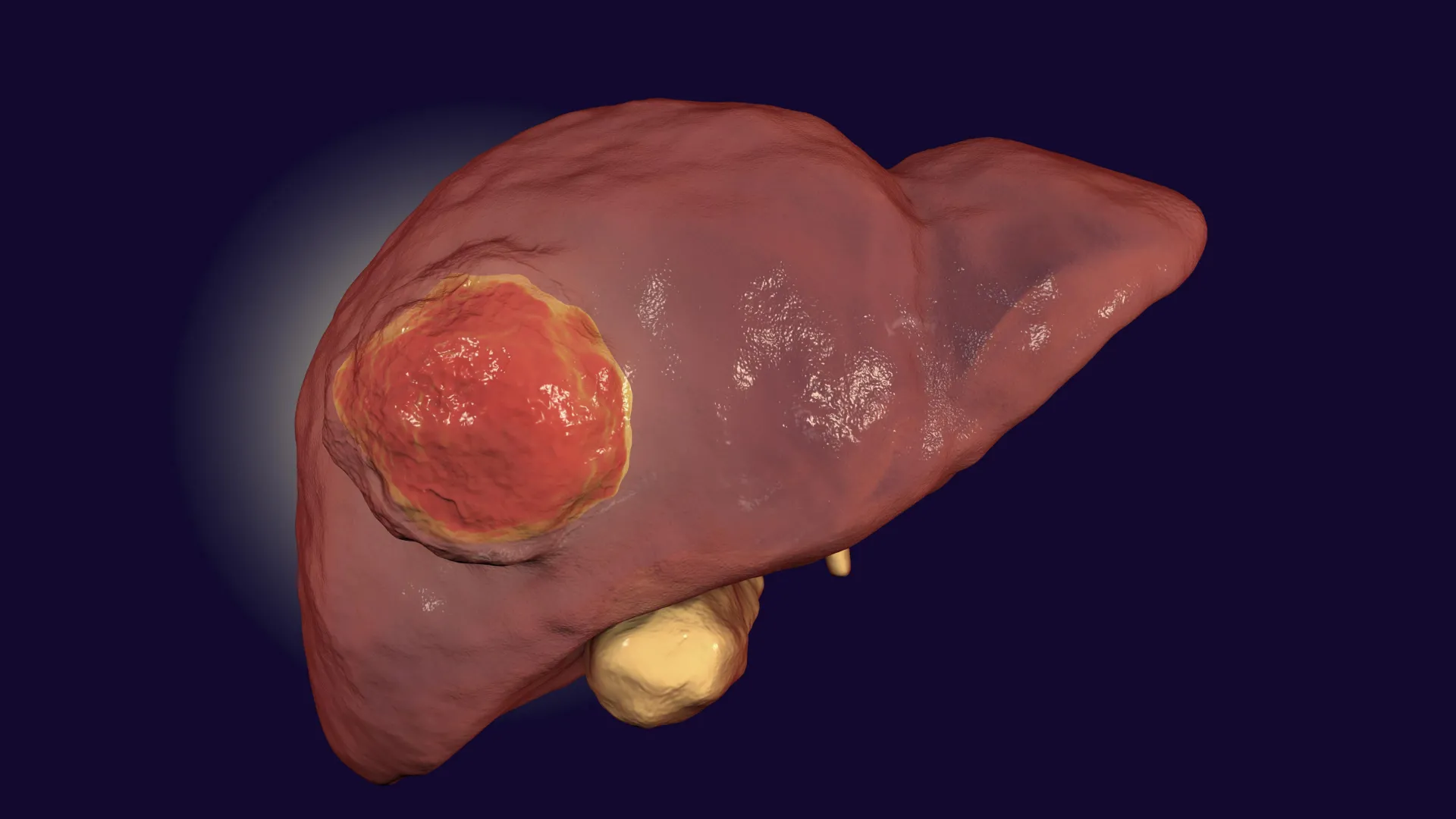
An FDA-approved drug helped immune cells penetrate samples of a rare liver cancer that has resisted immunotherapy, according to Cornell University. The finding may give researchers a new route to test against fibrolamellar carcinoma, a hard-to-treat cancer that often affects children and young adults.
The study, published in Gastroenterology, focused on why immune checkpoint inhibitors have performed poorly against fibrolamellar carcinoma. Cornell said researchers found that the tumors divert cancer-fighting T cells away from malignant cells and into nearby fibrous tissue, leaving the tumor protected.
Fibrolamellar carcinoma accounts for about 2% of liver cancer cases, according to Cornell. The university said there is no cure, and the disease is frequently found only after it has spread, limiting treatment options and worsening patients’ outlook.
How the tumor keeps T cells out
Immune checkpoint inhibitors are designed to spur T cells to attack cancer. Cornell said those drugs have helped patients with several cancers, including some liver, lung, kidney and bladder cancers, as well as melanoma, but they have been less effective in cancers where the tumor environment blocks immune access.
In fibrolamellar carcinoma, the research team identified a process called T-cell exclusion. Instead of entering the tumor and killing cancer cells, T cells were drawn into fibrous bands that run through the tumor, according to Cornell.
Those bands are a defining feature of the cancer. Cornell said the researchers traced them to stellate cells, normal liver cells that are changed by the cancer and begin producing fibrous proteins.
The altered stellate cells also appeared to signal to nearby T cells, sending them toward the fibrous areas rather than the cancer cells, Cornell said. Praveen Sethupathy, a Cornell professor of physiological genomics and co-senior author of the study, said the results offer early evidence for why checkpoint inhibition has not worked well for these patients.
Patient tumor samples responded to AMD3100
To study the tumor environment, the team used single-nucleus transcriptomics, a method that shows which genes are active in individual cell nuclei. Andreas Stephanou, a Cornell graduate student and co-first author, said the method helped clarify the interactions inside the tumor microenvironment.
Researchers in the laboratory of Dr. Venu Pillarisetty, a surgical oncologist at the University of Washington and co-senior author, then tested AMD3100 on slices of patient tumor tissue. Cornell said the drug blocked the trapping signal and helped T cells move back into the tumor center.
When AMD3100 was paired with immune checkpoint inhibition, T-cell activation rose further and tumor cell death increased significantly in the samples, according to Cornell. The drug is already approved by the U.S. Food and Drug Administration for another disorder, which Sethupathy said could reduce risk and shorten timelines if clinical trials in fibrolamellar carcinoma are launched.
Cornell said the researchers are seeking liver cancer specialists interested in testing the approach in patients. The study’s co-first authors were Jason Carter and Lindsey Dickerson of the Pillarisetty laboratory and Stephanou; Bo Shui of the Sethupathy laboratory was also a co-author. The Fibrolamellar Cancer Foundation supported the work.
This story draws on original reporting from ScienceDaily.