
Cloud-brightening plan could weaken El Niño, study finds
UC Santa Barbara researchers found one solar geoengineering proposal could sharply dampen a major Pacific climate cycle.
By Priya Raghavan · Science Reporter
3 min read
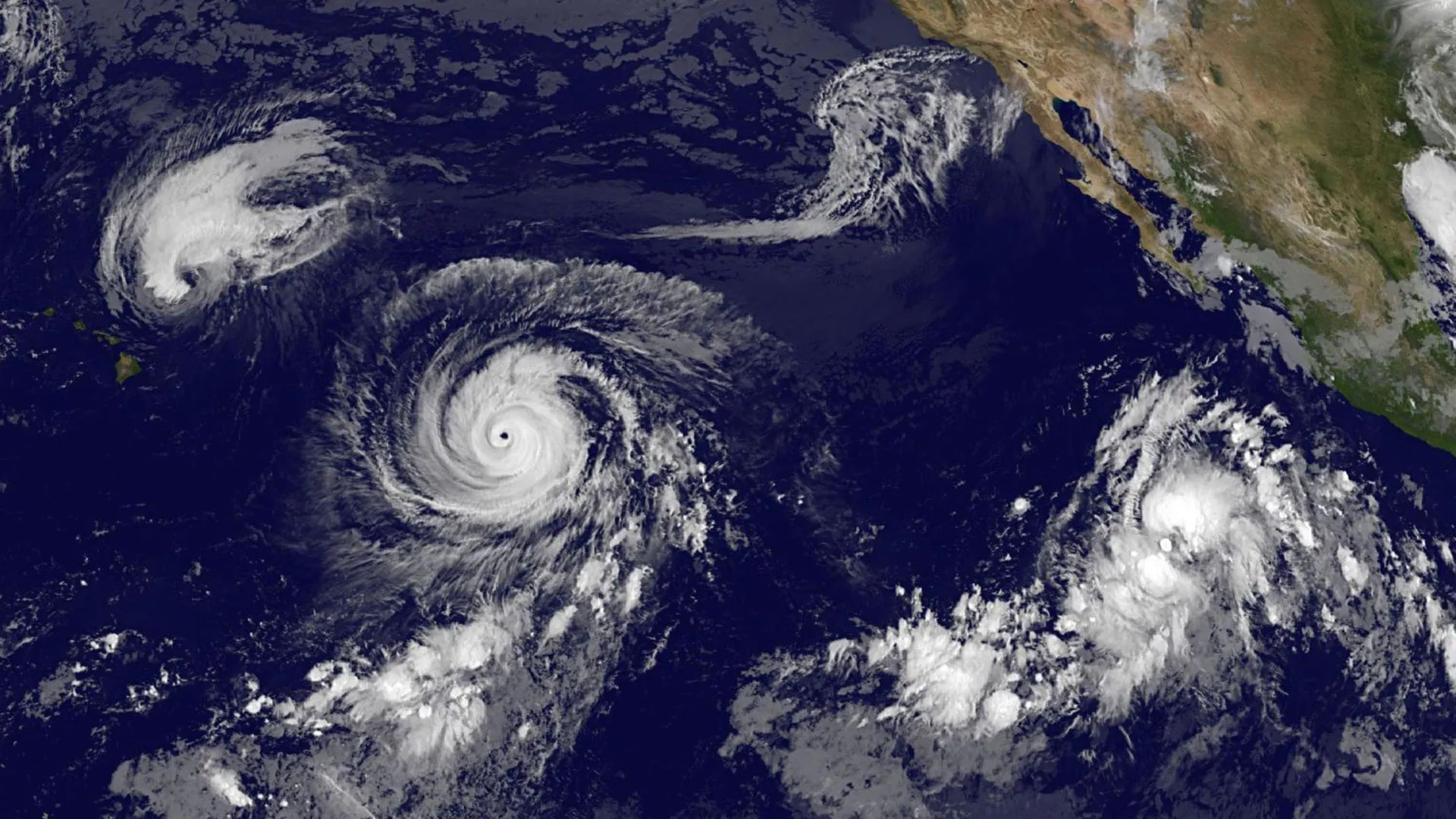
A plan to cool Earth by brightening clouds over part of the Pacific could sharply weaken El Niño, according to researchers at the University of California, Santa Barbara. The finding matters because the El Niño-Southern Oscillation helps shape rainfall, winds and ocean conditions across much of the planet.
The study, published in Earth's Future, compared two forms of solar geoengineering meant to reflect more sunlight away from Earth. The researchers found that marine cloud brightening in the subtropical eastern Pacific reduced the strength of ENSO by about 61% in simulations, while stratospheric aerosol injection left the cycle largely unchanged.
Chen Xing, a doctoral student at UCSB's Bren School of Environmental Science & Management and the study's first author, said the results show the need for caution before any climate intervention is deployed. Associate Professor Samantha Stevenson, a co-author and adviser to Xing and fellow graduate student Cali Pfleger, said ENSO does not normally change that quickly or by that degree.
Two cooling ideas, different effects
Marine cloud brightening would spray sea-salt particles into low clouds less than 2 kilometers above the ocean, according to the UCSB researchers. Those particles would create smaller, more numerous cloud droplets, making the clouds reflect more sunlight.
Stratospheric aerosol injection would release sulfate particles far higher in the atmosphere. Because those particles spread more broadly, the researchers said, that approach produces a more even cooling effect than a regional cloud-brightening effort.
ENSO cycles between El Niño and La Niña conditions every 2 to 7 years, according to the researchers. El Niño shifts warm tropical Pacific water toward the Americas and can bring wetter winters to California, while La Niña keeps warmer water farther west and can strengthen monsoon rainfall in parts of South and Southeast Asia.
Why the Pacific location matters
The eastern sides of ocean basins have drawn attention for marine cloud brightening because they can offer strong cooling, the UCSB team said. The southeastern Pacific also helps maintain ENSO, making that location especially sensitive in the model experiments.
In the simulations, brighter clouds cooled the ocean surface beneath them and reduced rainfall because the smaller droplets were less likely to merge into raindrops. Cooler and drier air then spread toward the central Pacific, cutting evaporation, weakening atmospheric circulation and strengthening equatorial winds, according to the study.
Those shifts increased the rise of colder water from below the ocean surface and cooled the sea surface further. The combined effect, the researchers reported, was a steep reduction in ENSO's amplitude.
Xing said the team expected marine cloud brightening to affect climate, but did not expect about two-thirds of ENSO's variation to disappear. He said the result points against using marine cloud brightening over the eastern Pacific because of the potential chain reaction tied to ENSO.
Researchers warn against broad conclusions
Stevenson said the study should not be read as a finding that every marine cloud brightening plan would disrupt ENSO. The result came from deploying it in a specific region, she said, and other locations could have different outcomes, though reaching the same global cooling goal might require a larger intervention.
The researchers also said leaving global warming unchecked carries its own risks for ecosystems, climate cycles and societies. They noted that scientists still do not know how ENSO will respond to continued warming.
The UCSB team said climate interventions also could affect photosynthesis by reducing sunlight, with possible consequences for crops, forests and marine algae. The researchers plan to study how different geoengineering strategies could affect marine ecosystems.
Stevenson said two approaches may hit the same global temperature target while producing very different regional climate effects. The study's central warning, according to the researchers, is that geoengineering proposals must be judged by more than their ability to cool the planet.
This story draws on original reporting from ScienceDaily.