
Studies link fireworks to lingering air and water pollution
American Chemical Society research says fireworks can leave chemical residues, particles and debris that affect waterways and air quality after displays end.
By Lucas Ferreira · Science & Environment Writer
3 min read
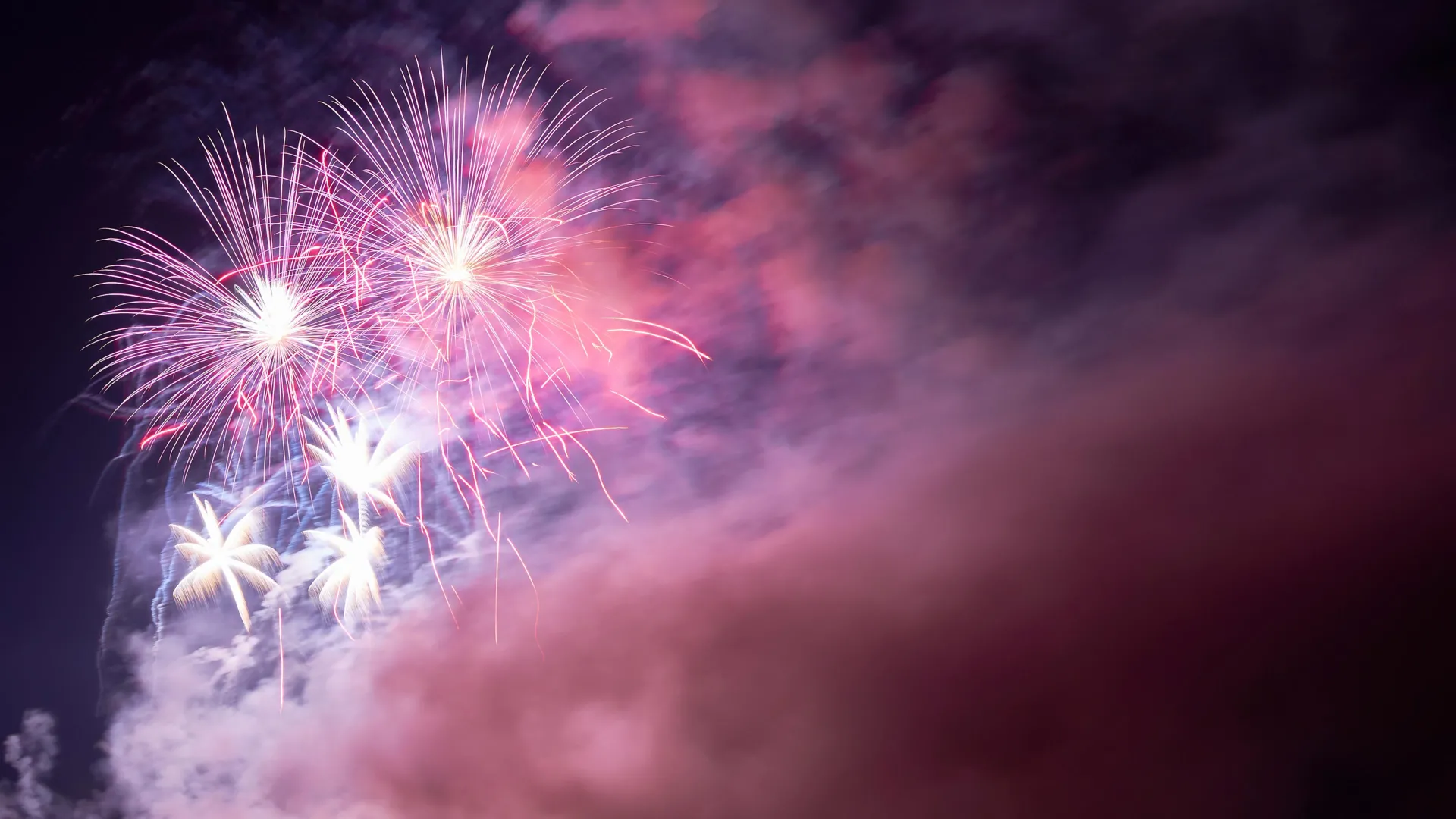
Fireworks displays can leave pollution in air and water after the visible smoke has cleared, according to research highlighted by the American Chemical Society. The findings matter because large celebrations may add to fine-particle exposure and send chemical residues into rivers and lakes.
The ACS said three recent studies in its journals examined different parts of the problem: litter from spent firecrackers, particles measured at a public event and airborne chemicals detected during holiday fireworks. Together, the studies point to effects that extend beyond noise, light and short-lived smoke.
Debris changed water chemistry in lab tests
In a laboratory study published in Environmental Science & Technology, researchers tested what happens when spent firecracker material enters lake and river water. The ACS said the residue included partly burned fuel, metal salts, additives and charred packaging fragments.
The researchers reported that the debris released metal ions, including potassium and manganese, as well as dissolved organic matter such as simple phenols and sulfur-containing compounds. The ACS said the remaining solids also took up some dissolved substances already in the water, including larger and more complex compounds.
According to the researchers, those shifts in water chemistry could affect microbial communities and aquatic ecosystems if substantial amounts of firecracker litter are repeatedly washed into waterways after festivals or other celebrations. The ACS said collecting and properly disposing of used fireworks could reduce those effects.
Event monitoring found particle spikes
A separate study in ACS ES&T Air tracked particulate matter during a large, multi-day sporting event in the United Kingdom. The ACS said scientists recorded brief but sharp increases in both coarse and fine particles during the event.
The research team attributed much of the measured pollution to food-vendor cooking and dust raised by vehicles, according to the ACS. During the opening and closing ceremonies, the scientists also recorded two separate fine-particle peaks: one as arriving crowds increased dust and another, smaller increase that matched the fireworks displays.
The researchers estimated that people attending every day of the event encountered air pollution above World Health Organization recommended limits, the ACS said. The study suggests that fireworks can add to broader pollution from large gatherings rather than acting as the only source.
Amines rose during holiday displays
A third study, published in Environmental Science & Technology Letters, focused on amines, chemicals used in some fireworks formulations. The ACS said those compounds can react in the atmosphere and help form aerosols linked to haze and poorer air quality.
Researchers measured amines in gases and airborne particles during Lunar New Year celebrations in a suburban area of China, according to the ACS. They found increases in several amines compared with a period without celebrations, with the largest rises occurring during the biggest fireworks displays.
The scientists also measured higher levels of other firework-related pollutants, including fine particulate matter, sulfate ions and potassium ions, the ACS said. The researchers said the results show fireworks release more than visible smoke and can contribute to the haze that remains after major displays.
This story draws on original reporting from ScienceDaily.