
Streetlight pools linked to circular marches of Israeli woodlice
A Hebrew University study says white artificial light can draw thousands of pill bugs into rotating formations that may expose them to danger.
By Priya Raghavan · Science Reporter
3 min read
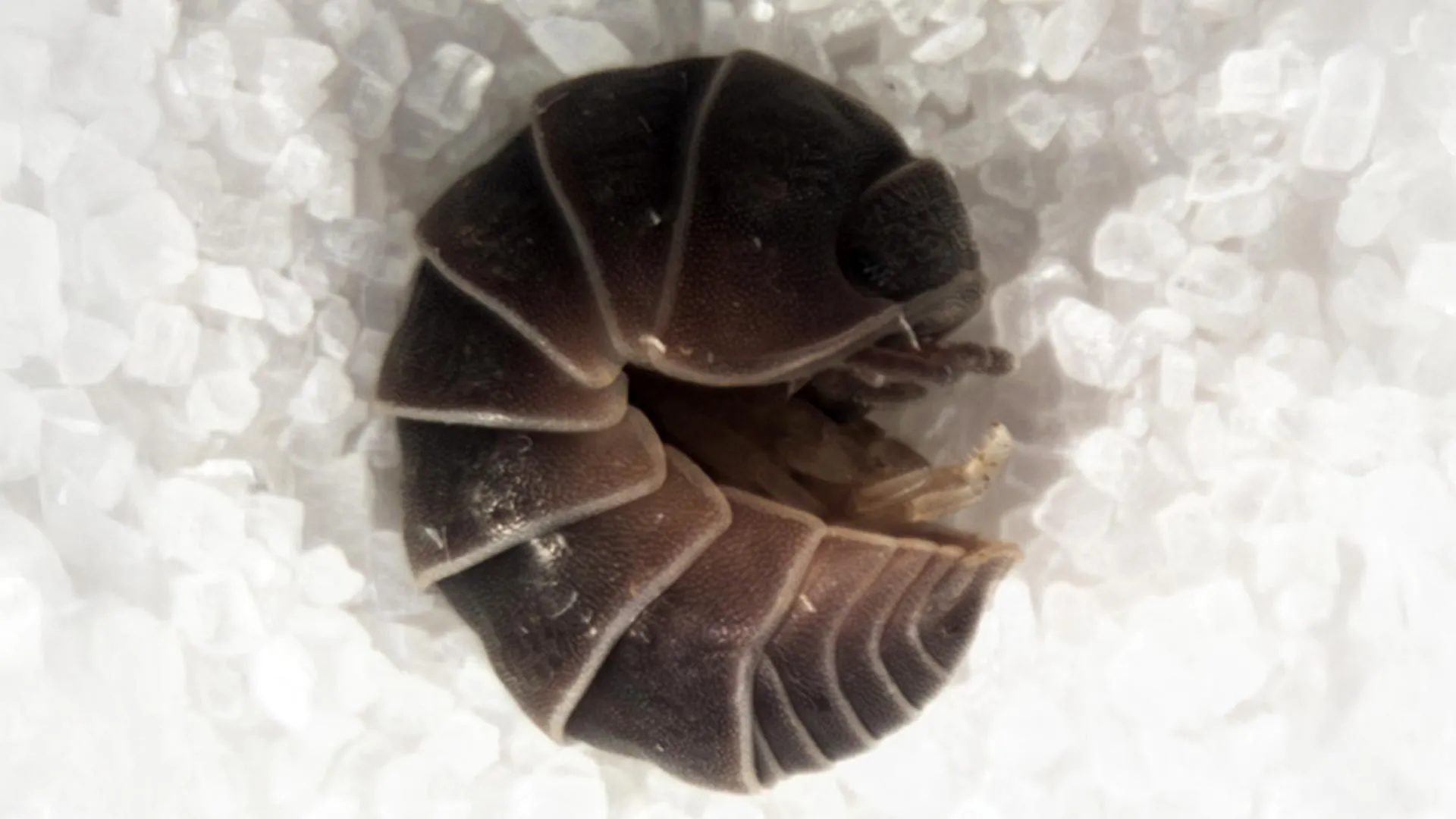
Streetlights can draw land-dwelling isopods into large rotating groups, according to researchers at The Hebrew University of Jerusalem. The finding matters because it suggests artificial light at night can disrupt the behavior of small ground animals that usually stay hidden.
The study, published in Ecology and Evolution, describes circular movements involving more than 5,000 individuals of Armadillo sordidus, a little-studied isopod commonly known as a woodlouse or pill bug. The research was led by PhD student Idan Sheizaf under the supervision of Prof. Ariel Chipman, with amateur naturalist Eviatar Itzkovich also listed as an author.
Night observations in the Golan Heights
The behavior was first noticed by Itzkovich during summer nights in the Golan Heights, according to the university. He observed large swirling groups of isopods, prompting researchers to examine what was drawing the animals into the formations.
A. sordidus normally lives under rocks and moist leaf litter, where damp conditions help protect it from drying out, the researchers said. Woodlice are known to gather in groups to conserve moisture, but the team said coordinated circular motion on this scale had not been documented before in these animals.
The study also added to knowledge of the species’ distribution. According to the researchers, A. sordidus had previously been recorded only in southern Syria and the Golan Heights, and the team documented it in the Jezreel Valley for the first time.
White light, not magnets, triggered the effect
To test what caused the circular movement, the team examined possible triggers including magnetic fields and different kinds of light. Strong magnets placed near the moving animals did not change their behavior, even though the Golan Heights is known for unusual magnetic properties, the researchers reported.
Ultraviolet flashlights attracted only small numbers of isopods and did not produce the large rotating groups, according to the study. White light produced the clearest effect: when the researchers aimed a white lamp downward, the animals repeatedly gathered into broad circular formations.
The team concluded that the shape of the lit area was central to the behavior. A vertical beam makes a circular patch of light on the ground, and the isopods appeared to move toward its boundary and then follow the edge; as more animals joined, the movement became a self-sustaining rotating procession, according to the researchers.
Sheizaf said the finding was unexpected because, although collective movement is common in animals, this form had not been seen in isopods. He said the geometry of human lighting, especially circular pools made by streetlights, appears to be interacting with the animals’ instincts in a potentially harmful way.
Researchers warn of an artificial trap
The team said the formations appear to be an unintended trap created by artificial light at night rather than ordinary social behavior. Most participating isopods were female, and many carried eggs, which the researchers said makes mating an unlikely explanation.
The behavior may carry costs, according to the study. In one observation, a centipede preyed on isopods while they remained in the rotating group. The researchers said lights may pull the animals out of sheltered habitats, keep them moving in circles and leave them more exposed to predators while using energy needed for survival.
The study, titled “A Novel Light-Induced Collective Circular Movement in Armadillo sordidus Isopods,” was published in Ecology and Evolution in 2026. The authors say the observations show how a common environmental change, such as installing a streetlight, can alter behavior in small animals that are often overlooked.
This story draws on original reporting from ScienceDaily.