
Climate forecasts must feel concrete to prompt action, researcher says
Hannah Cloke says better forecasts are not enough unless warnings help people picture heat, floods and water shortages before they arrive.
By Lucas Ferreira · Science & Environment Writer
3 min read
Powerful climate and weather forecasts can give communities days, years or decades of warning, but Hannah Cloke says people still need messages they can grasp and act on. Writing in The Conversation, Cloke argues that disasters can unfold when warnings remain too abstract for residents, officials or institutions to turn into preparation.
Cloke pointed to England’s red heat health alert and the possibility of its hottest June day on record as examples of risks now forecast in advance. She also cited North America, where football fans and players face dangerous heat during a forecast quarter of this summer’s World Cup matches.
Forecasting science can now test many possible outcomes before events happen, Cloke wrote. The harder problem, she said, is translating those projections into a shared sense of what danger will look and feel like in a specific place.
Warnings can fail even when forecasts succeed
Cloke contrasted two European flood events. In September 2024, Storm Boris caused severe flooding across central Europe, and forecasts gave authorities enough time to evacuate thousands of people, according to the European Centre for Medium-Range Weather Forecasts cited by Cloke.
In western Germany’s Ahr Valley in July 2021, river forecasts also indicated serious flooding days ahead, Cloke wrote. Some people did not receive warnings, others did not understand them, and some could not imagine flooding beyond anything they had experienced before.
The 2021 floods destroyed villages and killed 190 people, according to Cloke. In research with flood survivors, one person told her team: “It was clear that a lot of rain was coming. I lacked the imagination of what that means.”
Cloke said past experience can help people understand familiar hazards, but climate change is pushing events outside local memory. That creates a communication problem: people may have data about a future threat without having a mental picture of the danger.
Making risk visible
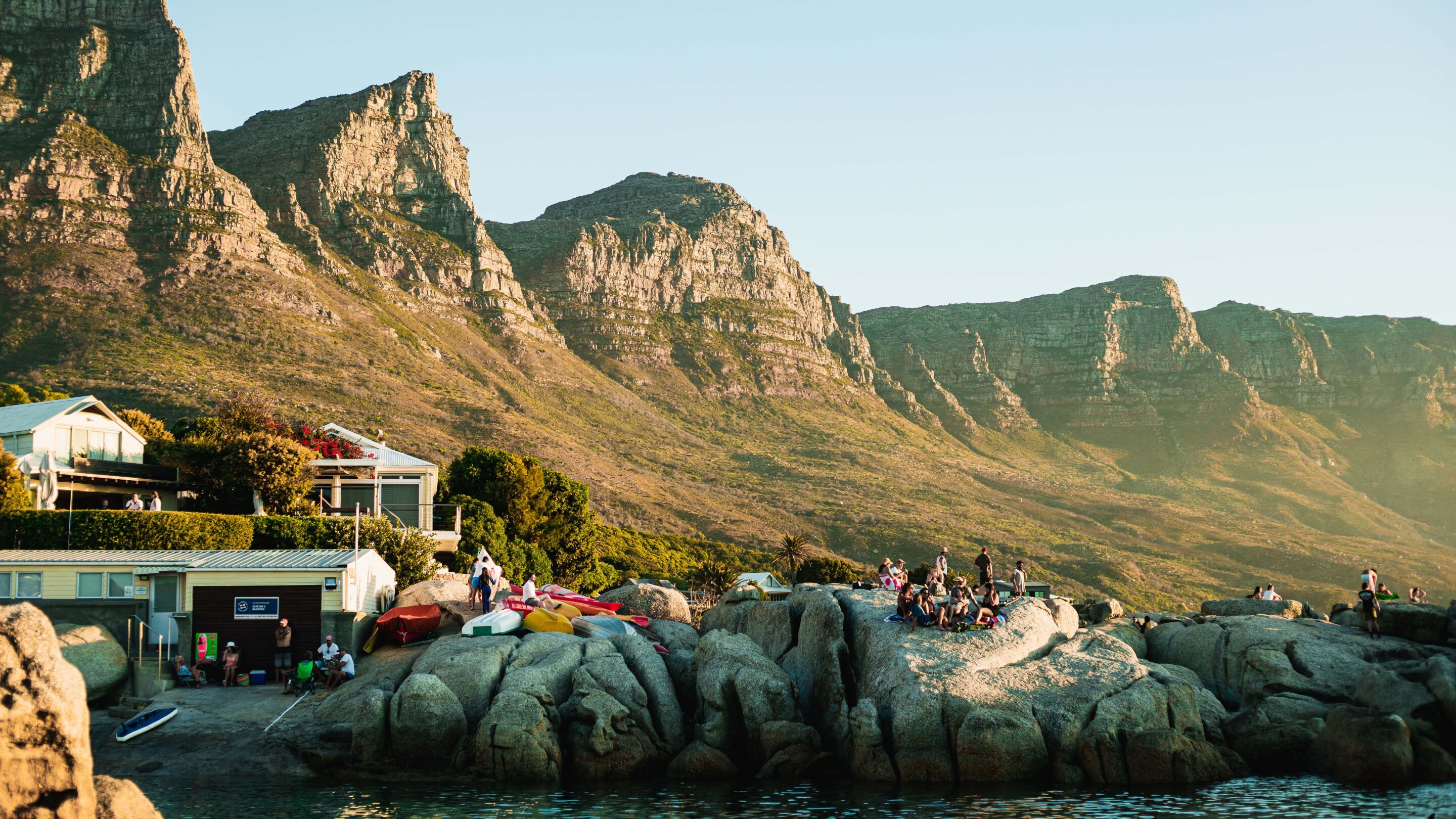
Cloke used Cape Town’s 2015-2018 drought as another case. Reservoirs fell sharply, and the city approached “day zero,” the point when household taps would be shut off.
Research cited by Cloke found that inequality as well as climate change worsened the crisis, with wealthy residents able to fill swimming pools while poorer residents lacked reliable drinking water. But Cloke said the “day zero” countdown helped turn a diffuse water risk into a specific, public deadline.
She described this kind of communication as “imagination infrastructure”: the maps, photographs, stories, forecasts, conversations and shared spaces that let people rehearse a possible future before it arrives. A flood alert can do that, she wrote, but so can an image showing water running down a street residents recognize.
Cloke said such communication does not replace flood barriers, pumping stations, water systems or public institutions. Instead, she argued, physical adaptation starts with people being able to picture why a change is needed.
From forecasts to choices
Climate science already outlines futures with 1.5°C, 2°C, 3°C and higher levels of warming above preindustrial temperatures, Cloke wrote. Those numbers can feel distant or abstract, especially when they describe conditions decades away.
Cloke cited local examples in Reading, England, including hydroelectric turbines on the River Thames, electric buses and a School Streets program that closes roads outside 10 schools to most vehicles at arrival and departure times. She presented them as examples of people turning imagined alternatives into everyday changes.
Her central warning is that better prediction alone will not prevent losses from heat, floods or drought. Forecasts must reach people in forms that make future conditions tangible enough to guide decisions before the danger arrives.
This story draws on original reporting from Phys.org.