
Study links cancer-related immune cell mutations to Alzheimer’s
Boston Children’s researchers say mutations tied to blood cancers may help inflame the brain and raise Alzheimer’s risk.
By Tom Brennan · Health & Medicine Correspondent
3 min read
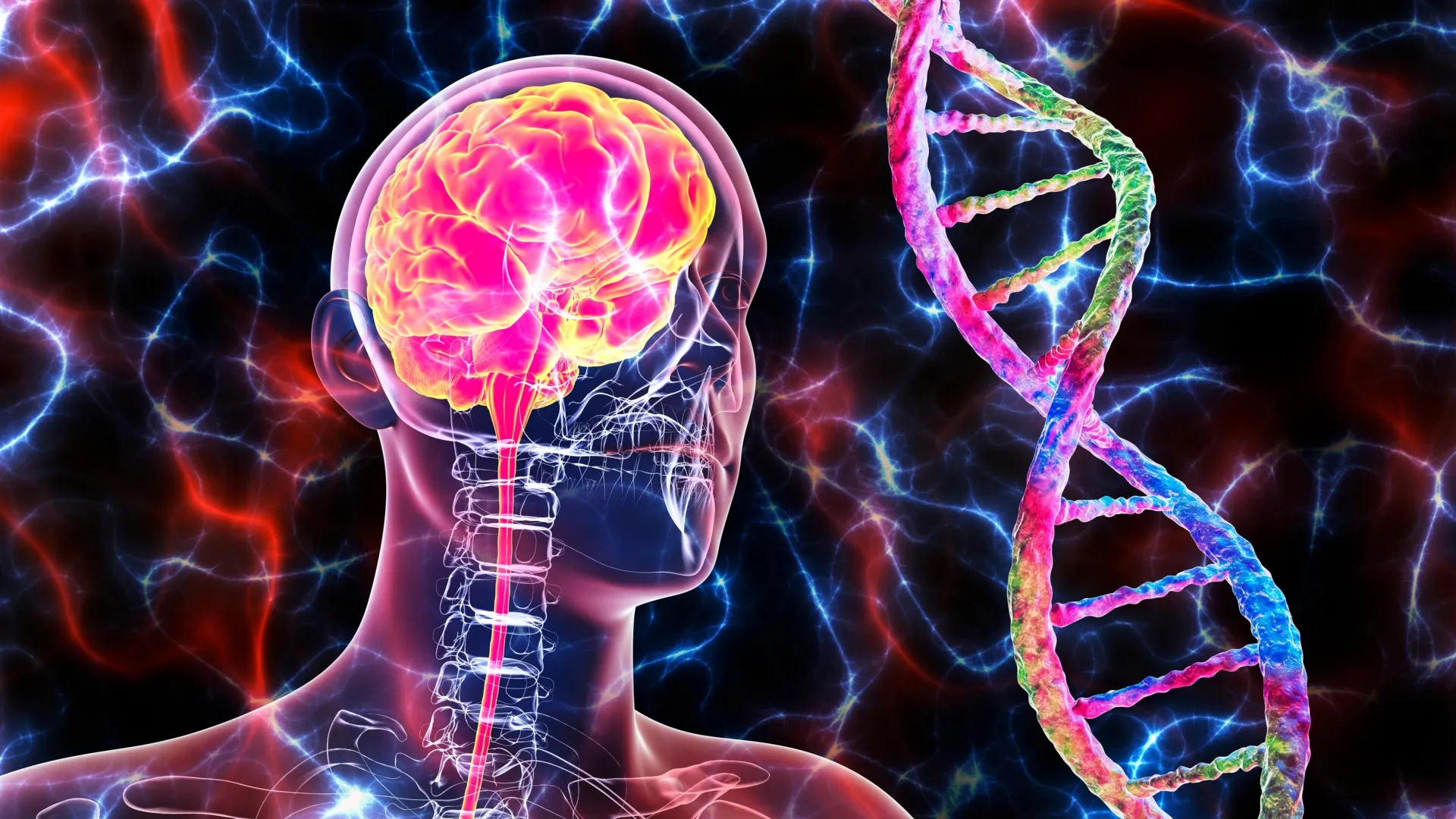
Researchers at Boston Children’s Hospital say mutations best known for their role in blood cancers may also contribute to Alzheimer’s disease. The finding points to a possible blood-based way to assess risk and raises the prospect that some cancer medicines could be studied for dementia treatment.
The study, published in Cell, examined immune cells associated with the brain and found cancer-driving genetic changes in people with Alzheimer’s disease, according to Boston Children’s Hospital. The work was led by Christopher Walsh of Boston Children’s Division of Genetics and Genomics, with collaborators including Alice Eunjung Lee and August Yue Huang.
Mutations found in brain immune cells
The researchers analyzed 149 genes linked to cancer in brain tissue from 190 people with Alzheimer’s disease and compared the results with tissue from 121 people without the disease, according to Boston Children’s Hospital. The Alzheimer’s samples showed more single-letter DNA changes, and many of the changes clustered in five cancer driver genes.
The mutations appeared in microglia-like cells, the immune cells involved in clearing debris and responding to injury in the brain. Boston Children’s said the pattern suggested these cells were not collecting random age-related mutations, but changes in a narrower set of genes associated with cell growth and inflammation.
Walsh said the findings suggest Alzheimer’s disease may share some biological drivers with blood cancers such as leukemia and lymphoma, according to the hospital. He also said that connection could matter because cancer medicine already has drugs aimed at some related pathways.
Blood findings changed the picture
Microglia have generally been viewed as brain-resident cells, separate from many immune cells that circulate in the blood. Because the mutations were commonly associated with blood cancers, the researchers checked whether matching mutations appeared in blood samples from the same Alzheimer’s patients, Boston Children’s said.
They found the same cancer-associated mutations in blood cells from those patients, according to the hospital. Huang said the result was unexpected and supports a mechanism in which mutated immune cells from the blood enter the brain and take part in disease.
The team proposes that aging or injury may weaken the blood-brain barrier, allowing blood immune cells to move into the brain. Once inside, those cells may become microglia-like, according to Boston Children’s.
The researchers also propose that Alzheimer’s-related protein buildup may push microglia to multiply and react. Cells carrying cancer-related mutations could gain an advantage, expand, and create a more inflammatory environment that damages nearby neurons, the hospital said.
Possible tests and treatment leads
Lee said blood testing could one day be used to look for these mutations because brain tissue is difficult to study in living patients, according to Boston Children’s. Such screening might help identify people with higher Alzheimer’s risk if the findings are confirmed.
Boston Children’s also cited a follow-up preprint posted on bioRxiv by Huang and Lee. In that analysis, cancer driver mutations found in blood were linked to Alzheimer’s risk independently of APOE4, a well-known genetic risk factor for the disease.
The research included collaboration with the Icahn School of Medicine at Mount Sinai. Boston Children’s said funding came from the Howard Hughes Medical Institute, the National Institute on Aging, the NIH Common Fund through the Somatic Mosaicism Across Human Tissues consortium, and the Suh Kyungbae Foundation.
This story draws on original reporting from ScienceDaily.