
Calculator estimates toll of mowing on meadow insects
TU Darmstadt researchers say a new web tool uses field data to show how mowing choices affect insects and spiders in grassland.
By Priya Raghavan · Science Reporter
3 min read
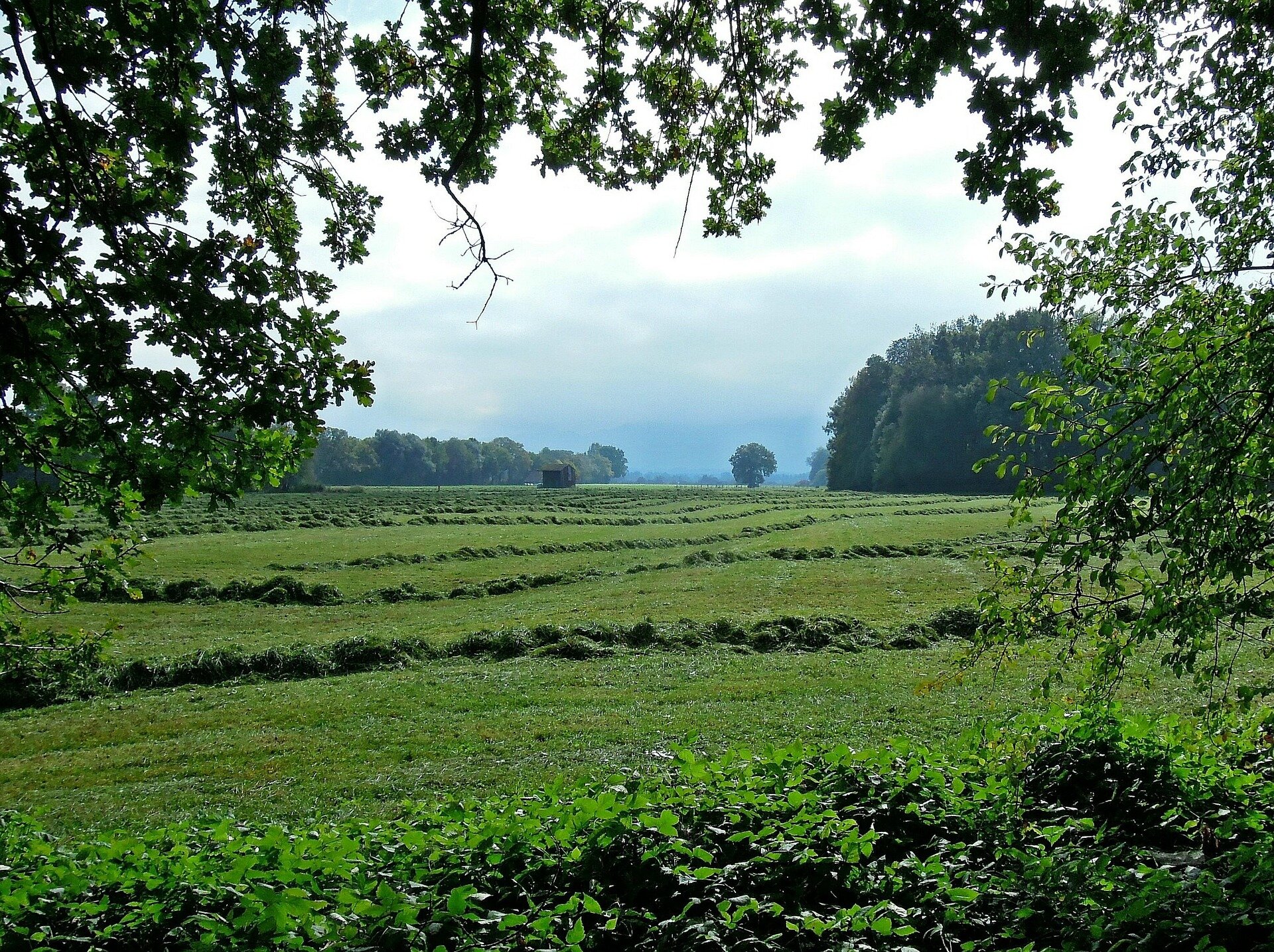
A new online calculator from TU Darmstadt estimates how many insects and spiders live in a square meter of meadow and how mowing changes those numbers. The tool gives land managers and residents a data-based way to compare lawns, roadside verges and meadows as communities weigh how to manage green space.
The Insect Calculator draws on a study published in Ecological Solutions and Evidence, according to TU Darmstadt. The study presents a formula using 12 factors to estimate arthropod numbers per square meter, based on standardized samples from regions of Germany and Switzerland.
TU Darmstadt said the calculator shows that one mowing operation can cut insect and spider numbers in a meadow by as much as 73%. The study also found clear differences between mowed and unmowed areas, with effects varying among spiders, cicadas, bugs, grasshoppers and other groups.
How the calculator works
The web tool, available as the Insect Calculator, was developed by researchers at TU Darmstadt as part of the BioDivKultur project. TU Darmstadt said the project brings together an interdisciplinary research team and partners working in the field, and is part of the Research Initiative for the Conservation of Biodiversity.
The calculator includes a public “Walking Mode” and an “Expert Mode” aimed at people involved in grassland management, according to the university. It can show how mowing frequency, cutting height, mowing equipment and the amount of sealed surface around a green space affect the predicted number and diversity of insects and spiders.
Senior author Nico Blüthgen, BioDivKultur’s project spokesperson, said the research team built the tool from a broad data set of standardized 1-square-meter samples collected in Germany and Switzerland. He said the data make it possible to show how mowing choices and surrounding paved or built-up areas affect arthropods.
Co-author Margarita Hartlieb said the calculator also provides related information, including links to iNaturalist observations for a selected location, frequently asked questions and material on the research process.
Unmowed refuges raise predicted counts
Lead author Johanna Berger said TU Darmstadt’s goal was to connect biodiversity research with tools that people can use in practice. She said meadows are among Europe’s most species-rich habitats, and that digital tools can help communicate findings more effectively.
The researchers found that mowing itself has the strongest effect, according to Berger. She said changing practices can help, including mowing less often or using equipment that is less harmful to insects, but leaving parts of a site unmowed provides the clearest refuge during and after mowing.
The tool’s sample calculation for a 100-square-meter area illustrates that point, according to TU Darmstadt. After mowing the whole area, about 13,000 insects and spiders are predicted; leaving 10% unmowed raises the estimate to 14,350, 20% raises it to 15,700, and 30% raises it to 17,050.
A fully unmowed 100-square-meter meadow is estimated to contain as many as 26,500 insects and spiders, TU Darmstadt said. The researchers said rotational mowing, in which only part of an area is cut at one time, can create refuges that provide varied habitat, shelter from mowing, larval development sites and overwintering areas.
The study, “The Insect Calculator: A web tool to predict meadow arthropods based on mowing impacts,” was authored by Johanna L. Berger and colleagues and published in 2026 in Ecological Solutions and Evidence.
This story draws on original reporting from Phys.org.