
Bat rays shown to alert one another through chemical signal
Oregon State University researchers say frightened bat rays appear to send a waterborne warning that triggers evasive behavior in nearby rays.
By Lucas Ferreira · Science & Environment Writer
3 min read
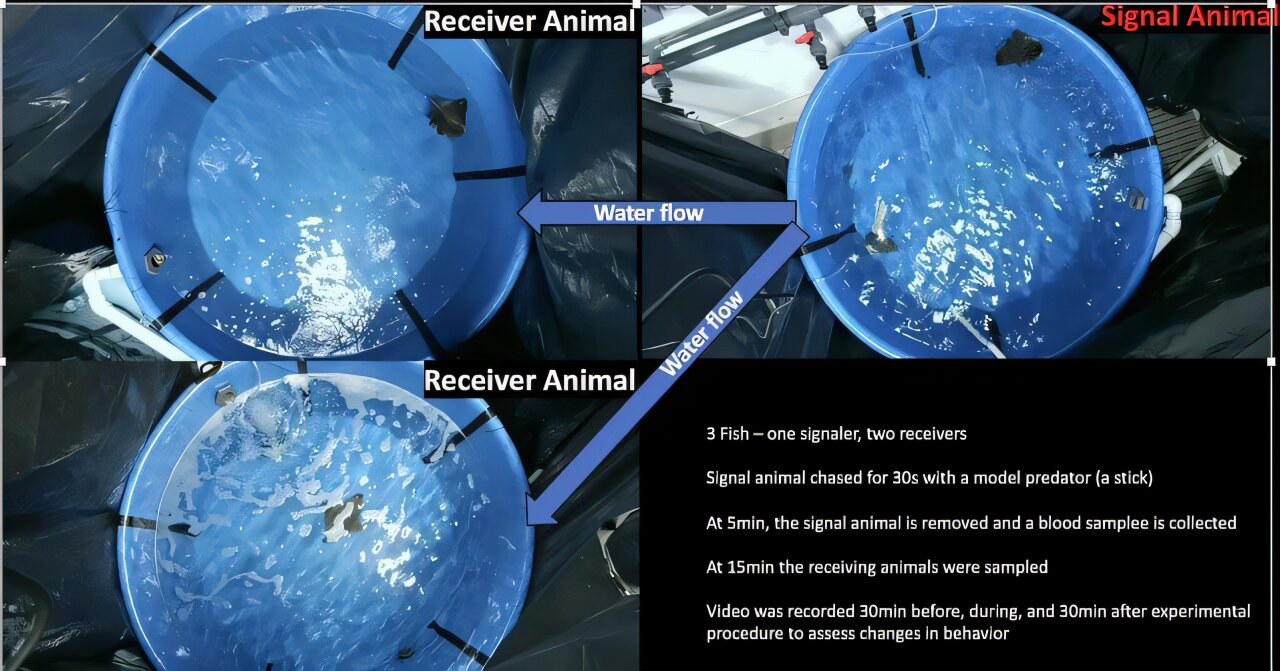
Bat rays appear to warn one another about danger through a chemical signal in the water, according to Oregon State University researchers. The finding matters because scientists say this kind of anti-predator cue had been well known in bony fish but had not previously been documented in cartilaginous fish such as rays, sharks and skates.
The study, published in the Journal of Experimental Zoology Part A: Ecological and Integrative Physiology, found that bat rays changed their behavior after receiving water from a separate tank where another bat ray had been frightened. The researchers said the tanks blocked sight and sound, leaving a chemical cue as the likely trigger.
Joshua Bowman, the study’s lead author, conducted the work for his master’s thesis at OSU’s Big Fish Lab. Oregon State University said Bowman is now a faculty research assistant with the Cooperative Institute for Marine Ecosystem and Resources Studies at the university’s Hatfield Marine Science Center in Newport.
Bat rays belong to the elasmobranch group, a branch of cartilaginous fish that also includes sharks and skates. Oregon State University said Bowman used bat rays because they are smaller and easier to work with than white sharks, and the animals used in the experiment came from the Oregon Coast Aquarium in Newport.
The project grew out of questions about flight behavior in white sharks, according to Bowman. He said previous research has shown sharks leaving areas when orcas are present, and that pattern suggests the sharks may be reacting to more than direct sight of a predator.
Taylor Chapple, an associate professor and co-director of OSU’s Big Fish Lab, said rays can help researchers understand communication pathways in sharks because the animals are closely related. Chapple said the study adds evidence of behavioral complexity in marine species that researchers consider ecologically important.
How the experiment worked
Bowman arranged three tanks, each holding one bat ray, according to Oregon State University. One tank served as the signaler tank, and water from it flowed into two receiver tanks; the tanks were isolated so the animals could not see or hear one another.
After the rays had time to settle, Bowman simulated a predator in the signaler tank by chasing the ray without injuring it, Oregon State University said. Cameras above the receiver tanks recorded the other rays before and after the water from the disturbed ray’s tank reached them.
The receiver rays quickly changed their behavior after the water arrived, according to the researchers. Oregon State University said the changes included faster swimming, a pattern consistent with an evasion or flight response.
The researchers said the results support the idea that the frightened animal released a chemical disturbance cue that traveled through the water to the other two rays. They said similar cues have been documented in bony fish, while this study provides behavioral evidence for such signaling in an elasmobranch.
The chemical involved has not been identified, according to Bowman. He said future work could focus on what the cue is and how it functions.
Bowman also said the finding has practical implications for how people interact with rays and related animals. Oregon State University reported that disturbing one animal in the wild or in a controlled setting may affect others nearby if chemical warnings spread through the water.
This story draws on original reporting from Phys.org.