
Researchers outline low-cost ways to sleep better during hot nights
Advice published by The Conversation focuses on blocking heat by day, ventilating at cooler hours and using bedding and fans safely.
By Tom Brennan · Health & Medicine Correspondent
3 min read
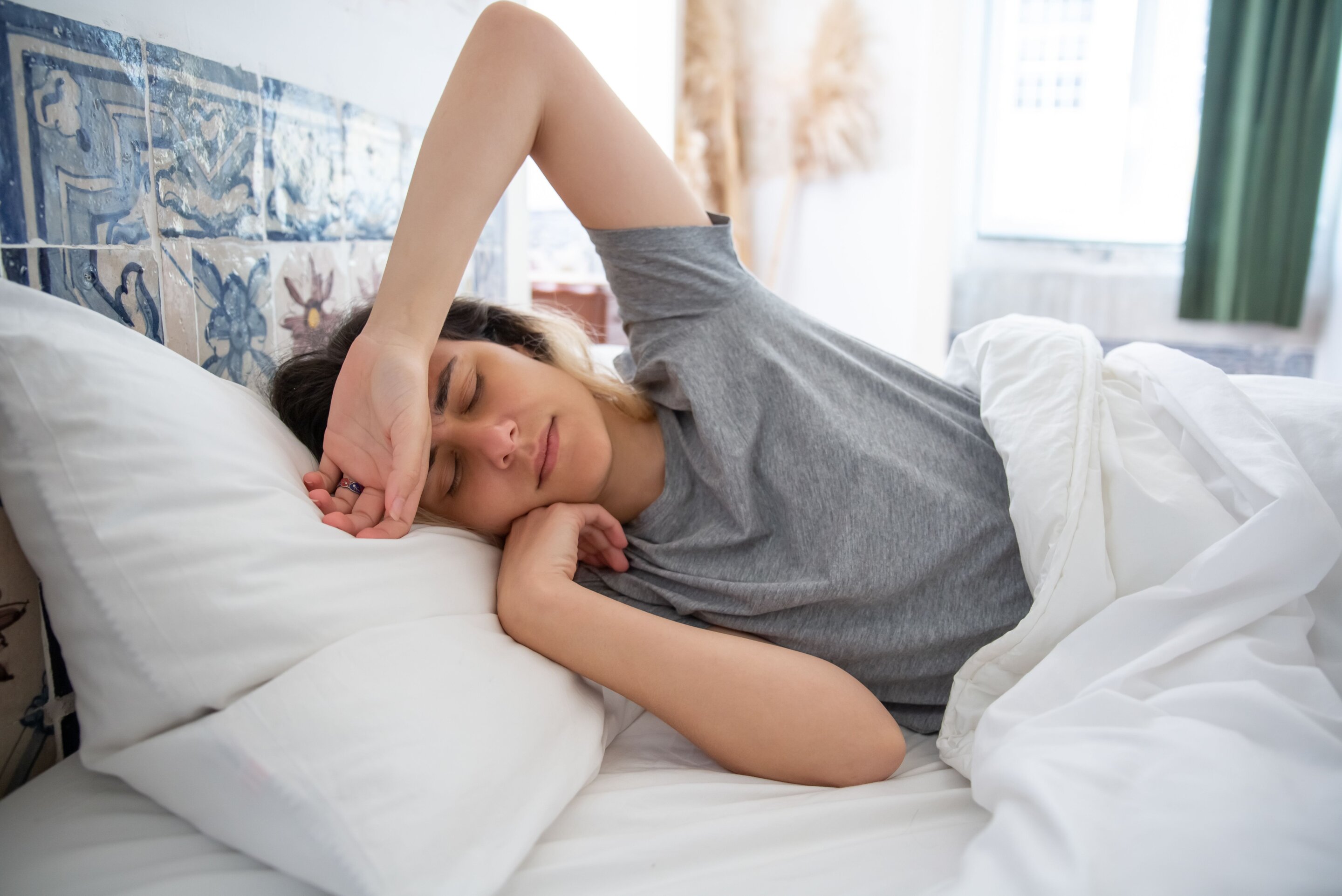
Researchers have outlined practical steps for sleeping in hot weather as warmer nights make rest harder for many households. Amin Al-Habaibeh and Francesco Luke Siena wrote in The Conversation that the body usually needs to shed heat to fall asleep and stay asleep, so overheated bedrooms can lead to more wakefulness and poorer rest.
The issue is becoming more pressing in the UK. The Met Office has reported that the likelihood of the country exceeding 40°C is now more than 20 times higher than in the 1960s, with a 50% chance of another 40°C day within 12 years.
Humidity adds to the strain, according to research cited by the authors. Sweat cools the body as it evaporates, but that process becomes less effective when the air is already moist.
Cooling before bedtime
Air conditioning can help, but Al-Habaibeh and Siena said it is not a realistic option for every home. Citing the Energy Saving Trust, they said the July-September 2026 electricity unit rate for direct debit customers is 26.11p per kWh; running a small 1 kW portable air conditioner for seven hours a night for 30 nights would cost about £54.83 in electricity, before the cost of the unit.
The researchers said passive cooling measures can reduce indoor heat without mechanical cooling. Studies on overheating in homes point to shading and ventilation as useful ways to limit heat gain and release trapped warmth.
Keep sun-facing curtains or blinds closed during the day, the authors said. External shading such as shutters, awnings or shades can work better because it blocks some sunlight before it reaches the glass.
Open windows when outdoor air is cooler than indoor air, often early in the morning, evening or overnight. The authors warned that opening windows during the hottest part of the day can bring more heat indoors.
Use cross-ventilation by opening windows or doors on different sides of a home when the air outside is cooler. Research cited by the authors found night ventilation can cut overheating, though results depend on the building, temperature, safety, noise and air quality.
Rooms, appliances and bedding
Conservatories and sun-facing rooms can store heat during the day, the authors said. They advised ventilating conservatories, closing internal doors where possible, and using films, blinds, shutters, awnings or shaded roofs to reduce heat gain.
Top-floor rooms and loft spaces can also become hot because roofs absorb solar heat. The authors said loft ventilation or reflective roof materials may help in some homes, while solar panels can both generate electricity and provide a barrier that reduces heat transfer.
For some people, the easiest short-term step is changing sleeping location. Al-Habaibeh and Siena said ground-floor rooms or north-facing rooms may be cooler during a heat wave than upper-floor, south-facing or west-facing bedrooms.
They also advised limiting indoor heat and moisture from ovens, hobs, tumble dryers, washing machines and dishwashers. Extractor fans can remove warm, damp air from kitchens and bathrooms, and research cited by the authors shows they can reduce moisture movement into other rooms.
Bedding and clothing affect thermal comfort during sleep, according to a review cited by the authors. Light, loose sleepwear and breathable bedding such as cotton or linen may help the body lose heat, while thick duvets and tight synthetic fabrics can trap heat and moisture.
Fans and cooling aids
Fans can make people feel cooler by moving air over the skin and helping sweat evaporate, but they do not cool the air. Evidence cited by the authors suggests fan safety depends on temperature, humidity, age, hydration and health; older adults and people who are dehydrated or unwell may need more than a fan in very high heat.
The authors said ice packs, freezer blocks, cooling pillows, mattress toppers and phase-change materials may help some sleepers, but cost and effectiveness vary. They advised wrapping ice packs in cloth and avoiding direct cold contact with skin.
This story draws on original reporting from Phys.org.