
Bat orthopneumovirus pseudovirus enters human cells; RSV-reactive sera block it
A Science Advances study found BPV pseudoviruses could enter human cells in lab tests, while selected RSV-reactive sera neutralized them.
By Priya Raghavan · Science Reporter
2 min read
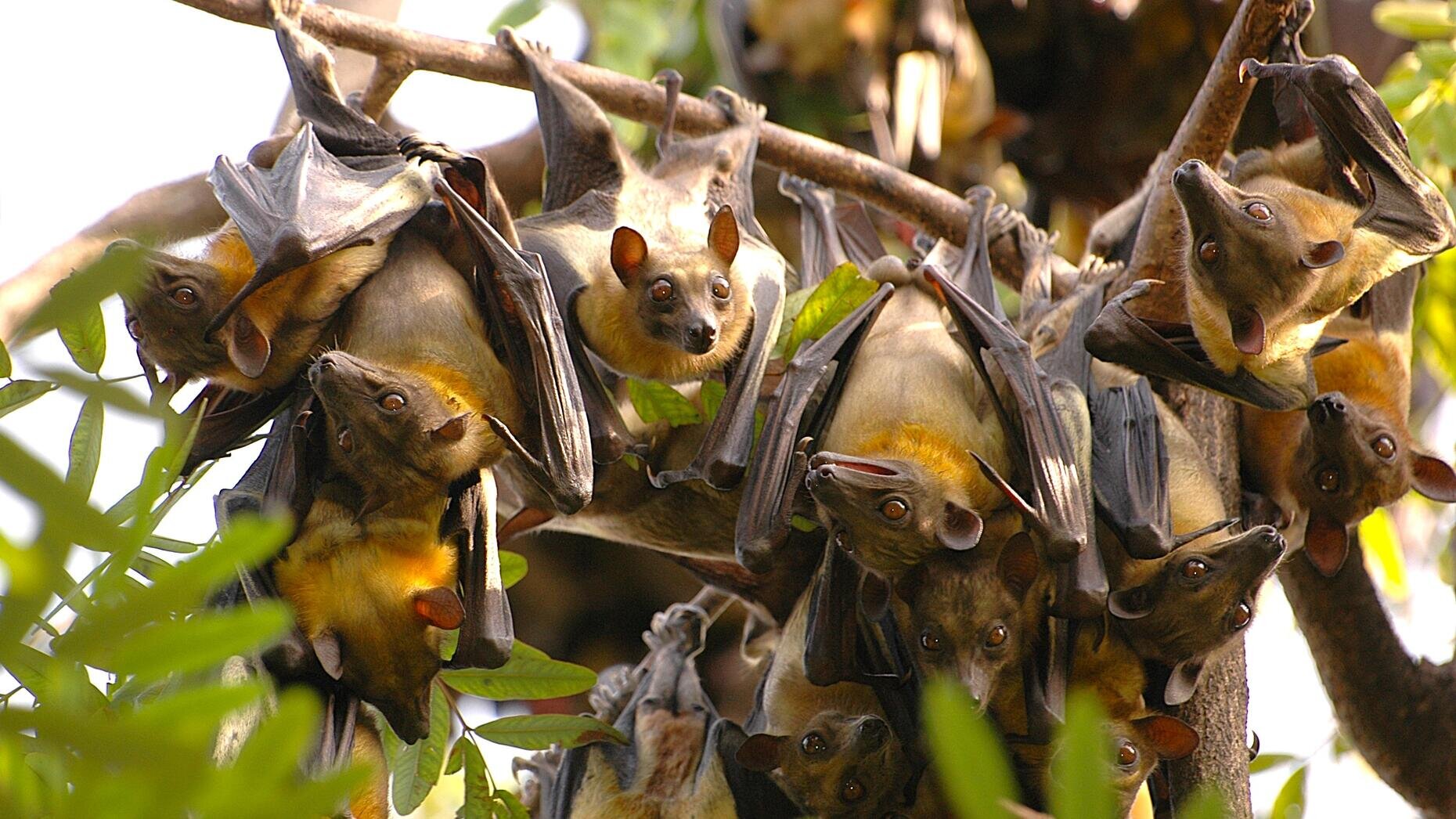
Researchers studying bat orthopneumovirus human cells found that laboratory-made particles carrying a protein from the bat virus could enter human cells, though far less efficiently than comparable RSV particles. The experiments also found that selected human sera able to neutralize RSV blocked those bat-virus particles, a result that points to possible cross-reactive immunity but does not show protection in people.
The work, published in Science Advances, examined a divergent bat orthopneumovirus, or BPV, found in straw-colored fruit bats in West Africa. BPV belongs to the same genus as respiratory syncytial virus, or RSV, but it is not RSV, according to the study.
Can bat orthopneumovirus infect human cells?
In cell-culture tests, BPV pseudoviruses entered human cells at rates 4.5 to 53.5 times lower than RSV pseudoviruses, the researchers reported. The particles carried BPV viral proteins but were not complete infectious BPV, so the experiment tested one part of the process needed for a virus to infect a human host rather than human infection itself.
The study also found that BPV proteins called NS1 and NS2 could counter a human interferon-beta response in laboratory experiments. The authors said their results identify traits relevant to zoonotic risk, while also finding factors that may constrain it.
What did the antibody tests show?
Human serum samples selected because they could neutralize RSV also cross-neutralized BPV pseudoviruses. A release describing the research said all 10 selected serum samples produced that result. MPE8, an experimental broad-spectrum monoclonal antibody aimed at a conserved pneumovirus target, also neutralized the BPV particles.
Other interventions did not perform the same way in the reported experiments. BPV escaped neutralization by palivizumab, an RSV-specific therapeutic antibody, and was not inhibited by lonafarnib, according to the paper.
The findings do not establish that BPV has infected people, causes illness in people, or spreads from person to person. They also do not establish that current RSV vaccination protects people against BPV; the authors said that question needs further study.
What did researchers find in bats?
The team tested 1,778 bats and detected BPV RNA in 24 samples. Among 66 bats tested for antibodies, six were positive. The researchers said the low detection and antibody rates suggest the virus may circulate episodically among bats that lack prior immunity after birthing events.
Near-complete genomes from two BPV variants had the basic organization of orthopneumoviruses but lacked the SH gene found in RSV. The authors called for further research on host shifts, animal reservoirs and vaccines or antivirals designed to work across related orthopneumoviruses.
This story draws on original reporting from Phys.org.