
Antarctic vertebra is identified as continent’s first dinosaur fossil
A bone collected in 1985 has been described as a Late Cretaceous titanosaur, adding a rare data point to Antarctica’s thin dinosaur record.
By Tom Brennan · Health & Medicine Correspondent
3 min read
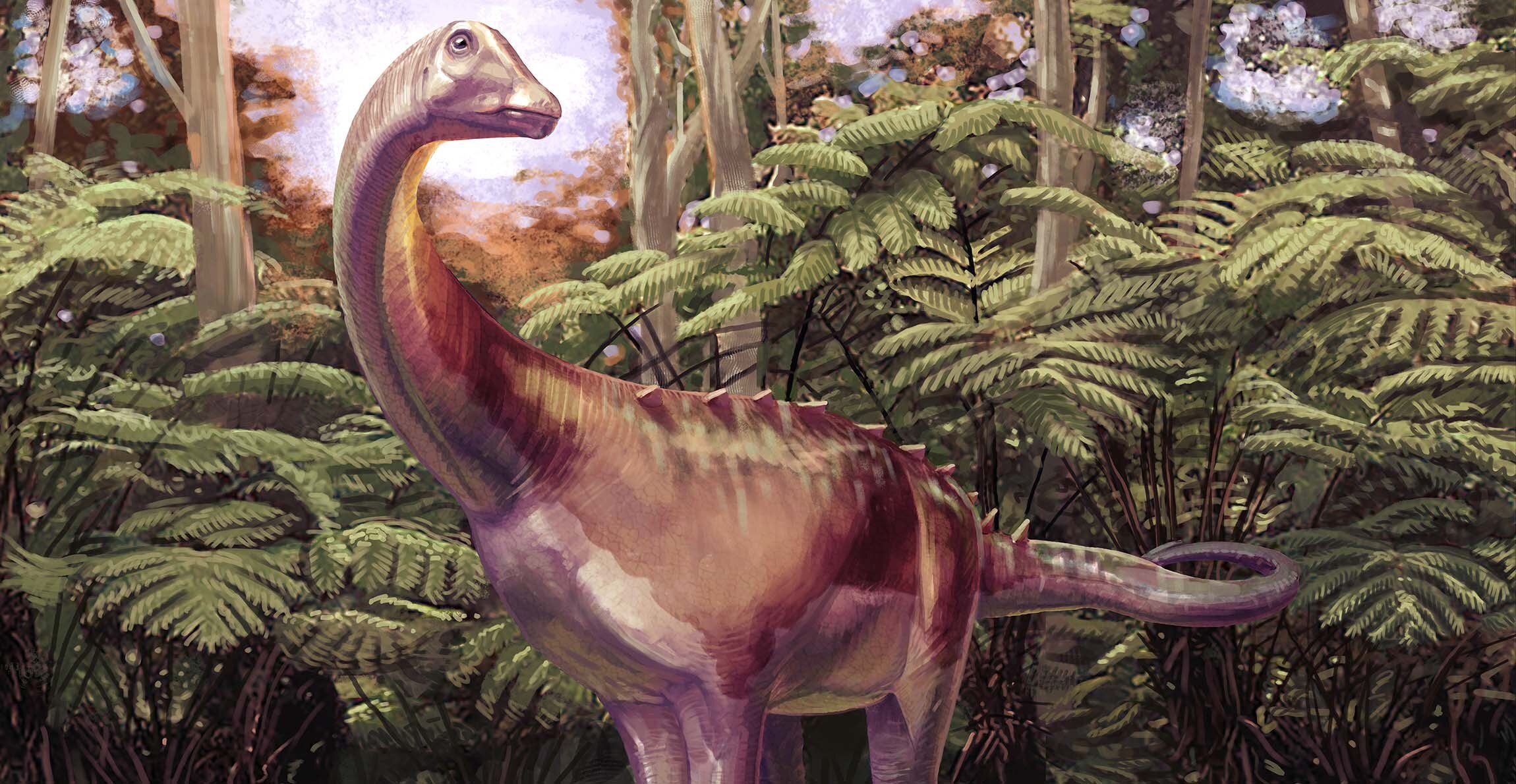
A fossil collected on the Antarctic Peninsula more than 40 years ago has been formally identified as the first dinosaur bone found on the continent. The Natural History Museum, London, said the vertebra belonged to a titanosaur, a long-necked plant-eating dinosaur group whose presence helps fill gaps in the fossil record of the southern continents.
The study, by Paul M. Barrett and colleagues, was published in Acta Palaeontologica Polonica under the title “A titanosaurian sauropod dinosaur from the Upper Cretaceous of Antarctica.” The fossil was found in 1985 by Dr. Mike Thomson of the British Antarctic Survey during work to document rock layers on the Antarctic Peninsula.
According to the Natural History Museum, the bone had not been recognized as dinosaur material until recent examination of collections held by the British Antarctic Survey. Dr. Mark Evans, a paleontologist and manager of geological collections and labs at BAS, said he suspected the specimen was dinosaur bone when he noticed it in the collections a few years ago and later identified it as probably a titanosaur tail vertebra.
A rare Antarctic dinosaur record
Antarctica has yielded fewer dinosaur fossils than any other continent, the museum said, largely because ice covers so much of its rock. Most known finds have come from the Transantarctic Mountains or from the Antarctic Peninsula and nearby islands, where exposed coastal rock can be studied.
The vertebra came from the Santa Marta Formation, a Late Cretaceous rock unit dated to about 82 million years ago. The Natural History Museum said the specimen is the only dinosaur fossil from Antarctica known from that formation.
The rock in which it was preserved is marine. Researchers said that means the animal probably died on land, drifted out to sea and then sank to the seabed, where its remains were buried and fossilized.
Thomson’s 1985 expedition was focused mainly on describing rock layers for later geological and paleontological work. The team was looking especially for invertebrate fossils such as ammonites, which help scientists date sedimentary layers because they appear widely through the fossil record.
A small member of a giant group
The museum said scientists agree the vertebra came from Titanosauria, a group that included some of the largest animals ever to walk on land. Some titanosaurs exceeded 15 tons, but this Antarctic animal was much smaller.
Researchers estimate the animal was about 6 to 7 meters, or 20 to 23 feet, long. The study says it may have been a juvenile, or possibly part of a dwarf species.
Barrett, a merit researcher at the Natural History Museum, said the bone may appear modest but has a notable place in Antarctic exploration because it was the first dinosaur fossil found on the continent. He also said Antarctica at the time would have supported temperate forest, giving large herbivores food.
Evidence from Gondwana
The museum said the identification adds evidence for how dinosaurs moved across Gondwana, the former southern supercontinent. Titanosaurs have not been found in Australia, and evidence from New Zealand is limited, so a confirmed Antarctic specimen supports the possibility that the animals could have reached those connected regions.
According to the museum, Gondwana was warm during the period even though Antarctica sat near the South Pole. Heavy volcanic activity contributed carbon dioxide to the atmosphere, helping maintain warm conditions.
Barrett said more dinosaur fossils may remain hidden in Antarctica. He said retreating ice caused by climate change could expose additional evidence of the continent’s ancient biodiversity.
This story draws on original reporting from Phys.org.