
Antarctic Peninsula records its warmest June temperature
Esperanza Base hit 15.4C on June 6, as scientists told AFP winter melting and rainfall are increasing in the region.
By Tom Brennan · Health & Medicine Correspondent
2 min read
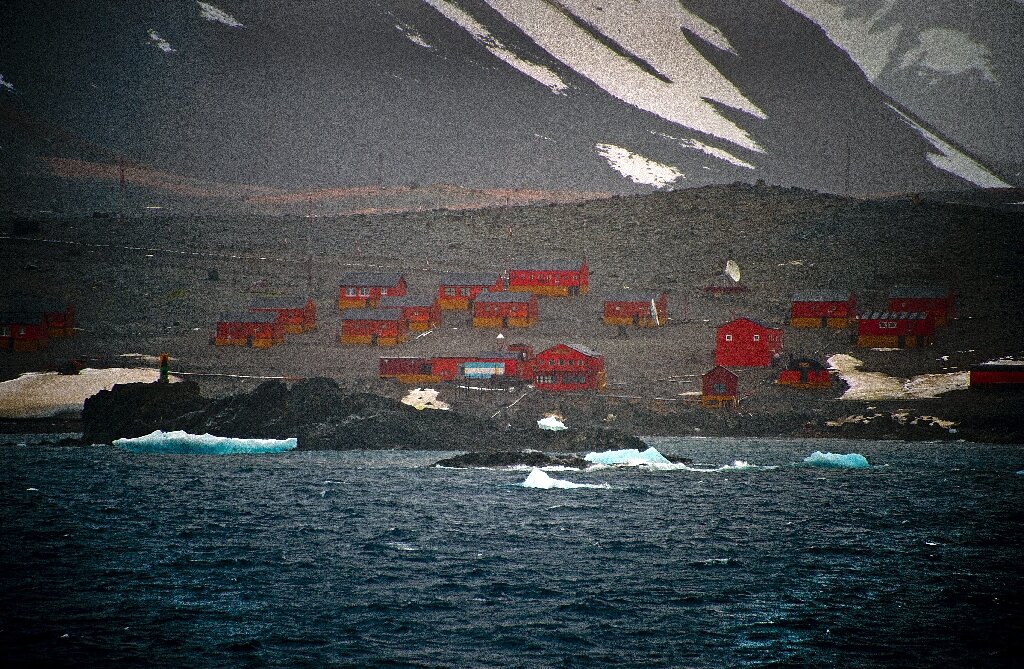
The Antarctic Peninsula logged its highest known June temperature this month, with Argentina’s Esperanza Base reaching 15.4C on June 6, climate scientists told AFP. The reading matters because it came during the Southern Hemisphere winter, when the region is normally far below freezing.
AFP reported that the previous June record at Esperanza was 13.3C, set in 1998. The station’s average temperature for June is -6.2C, according to the figures cited by AFP.
Jose Luis Stella, a climatologist with Argentina’s National Meteorological Service, told AFP the temperature was “very unusual for this time of year.” Esperanza, an Argentine research station at the northern end of the peninsula, has recorded above-freezing temperatures every day for three straight weeks, AFP reported.
Other Argentine stations also set June records during the same warm spell, according to AFP. Marambio reached 11.8C between June 5 and 6, above its previous June high of 9.2C and far above its June average of -10.7C.
San Martin recorded 9.4C, AFP reported. Its earlier June record was 7.8C, while its June average is -5.6C.
Scientists point to a broader pattern
Raul Cordero, a professor at the University of Groningen, told AFP that the heat in northern Antarctica should not be treated as a one-off. He said it “confirms a trend” and warned that such events will happen more often if global warming is not stopped.
Thomas Caton Harrison, a polar climate scientist at the British Antarctic Survey, told AFP that the current warmth likely reflects several factors, including climate change. He said there is “credible evidence” that climate change is contributing, while adding that its effect in Antarctica is complex.
Caton Harrison told AFP that Antarctica’s large natural temperature swings mean scientists need long-running records to separate short-term variation from underlying climate shifts. Both Caton Harrison and Cordero said regional temperatures have been rising for years and are already changing conditions on the ground, according to AFP.
One visible change is precipitation, Caton Harrison told AFP. He said an unexpectedly large share has been falling as rain instead of snow, with consequences for polar wildlife, including penguin colonies.
The rain is also affecting people working at research stations, Caton Harrison told AFP, because liquid water has been creating runoff and ice around bases. AFP reported that scientists are also seeing abnormal ice melt during the current winter.
Cordero told AFP that the sustained warmth has left broad areas in the far north of Antarctica without snow cover. He described that as an unusual winter scene for the continent.
This story draws on original reporting from Phys.org.