
Antarctic meltwater found to speed glacier slide toward the sea
Researchers drilled into East Antarctica’s Langhovde Glacier and found surface meltwater can reach the bed, raising pressure and accelerating ice flow.
By Lucas Ferreira · Science & Environment Writer
3 min read
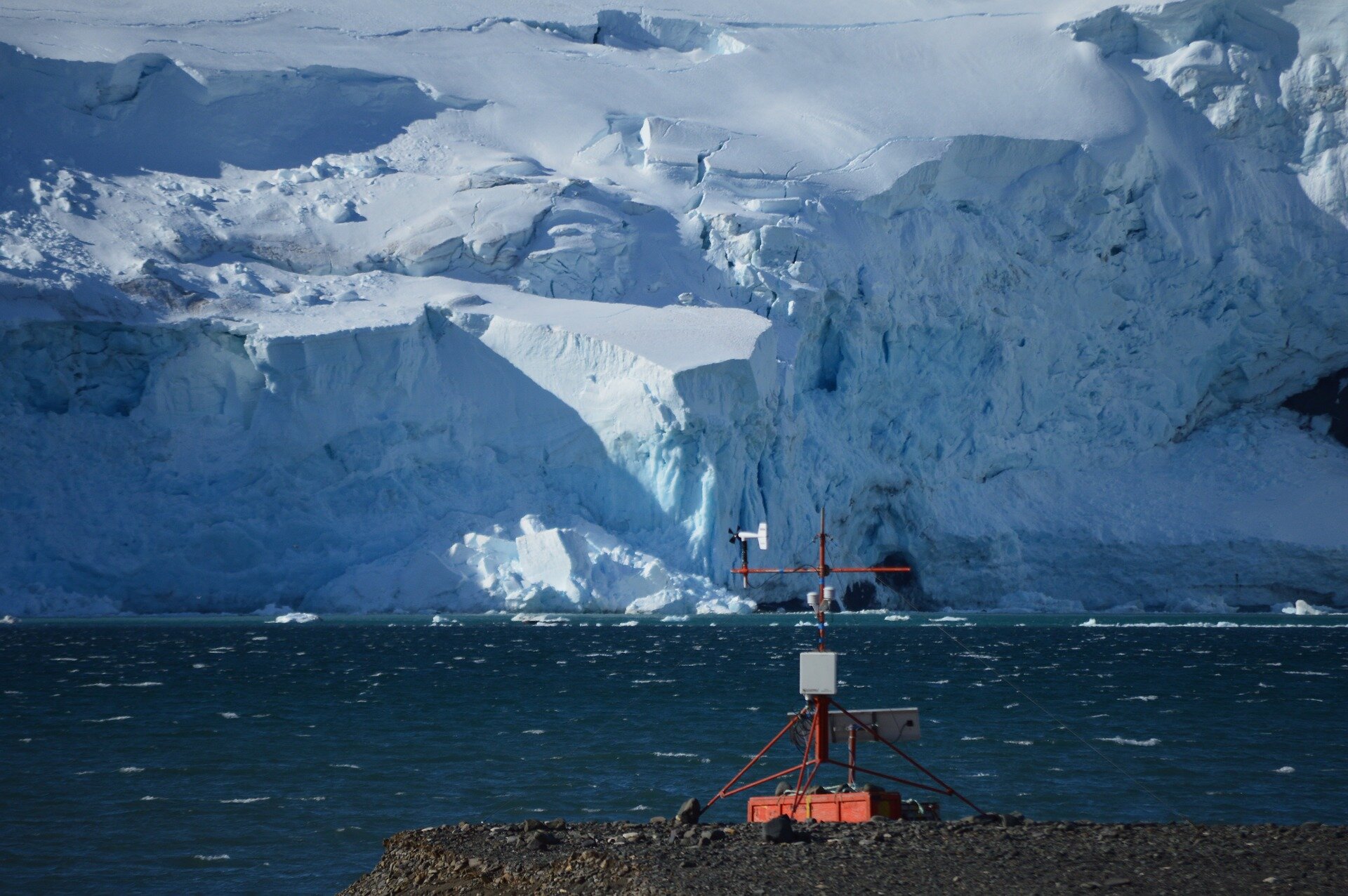
Surface meltwater can drain through Antarctic glacier ice to the bed below and make the glacier slide faster toward the ocean, according to a Hokkaido University-led study. The finding matters because it directly confirms in Antarctica a mechanism that can increase ice loss as warming produces more meltwater.
Professor Shin Sugiyama and colleagues reported the results in Nature Communications after drilling more than 550 meters into the Langhovde Glacier in East Antarctica. Hokkaido University said the team used boreholes to place pressure sensors and cameras at the glacier bed, giving researchers measurements that satellites could not provide.
Measurements from beneath the ice
The researchers used a hot-water jet to drill into the glacier, according to Sugiyama. The instruments showed that water collecting in surface ponds and lakes could move downward through cracks in the ice.
Hokkaido University said the process is known as hydrofracturing. In that process, the weight of meltwater formed at the surface helps open fractures in the ice, creating routes that let water reach the base of the glacier.
Once at the bed, the water increased pressure beneath the ice, according to the study. Hokkaido University said that pressure partly lifted the glacier from the bedrock, reduced friction at the ice-bed boundary and helped the glacier slide more quickly toward the sea.
Sugiyama said the team recorded two notable episodes: one during a period of strong surface melting and another after an unusual rainfall event in January 2022. During those episodes, according to Sugiyama, water pressure at the glacier bed rose until it supported 97% of the weight of the overlying ice, and the glacier’s sliding speed increased by 10% to 20%.
The same broad mechanism has been observed in glaciers in Europe, Alaska and Greenland, Hokkaido University said. Sugiyama said the new work is the first direct observation of this kind in Antarctica, where scientists had debated whether surface meltwater could drive similar acceleration.
Why the finding matters
Sugiyama said the Antarctic ice sheet contains 90% of the world’s glacier ice. He said a complete melt and drainage of that ice into the ocean would raise global sea levels by about 60 meters, or 197 feet.
Hokkaido University said the Antarctic ice sheet is already losing mass overall because more ice is entering the ocean than is being replaced by inland snowfall. Sugiyama said the study suggests ice loss could increase as climate warming raises meltwater production, sending more ice oceanward.
The drilling campaign also revealed life beneath the glacier, according to Hokkaido University. Cameras recorded a sea anemone and several stalked sponges attached to a boulder in a seawater layer only 3 meters thick beneath 474 meters of ice.
Hokkaido University said that habitat lay several hundred meters beyond the point where the glacier stops touching the seabed. Sugiyama described the discovery as evidence of a hidden ecosystem in a dark, cold and confined environment below the ice.
The paper, titled “Acceleration of an Antarctic outlet glacier driven by surface meltwater input to the base,” was authored by Sugiyama and colleagues and published in Nature Communications, according to Hokkaido University.
This story draws on original reporting from Phys.org.