
Ancient DNA points to population replacement after Neolithic collapse
A tomb near Paris shows two genetically distinct burial groups, linking a Neolithic decline to migration, disease and changing social customs.
By Lucas Ferreira · Science & Environment Writer
3 min read
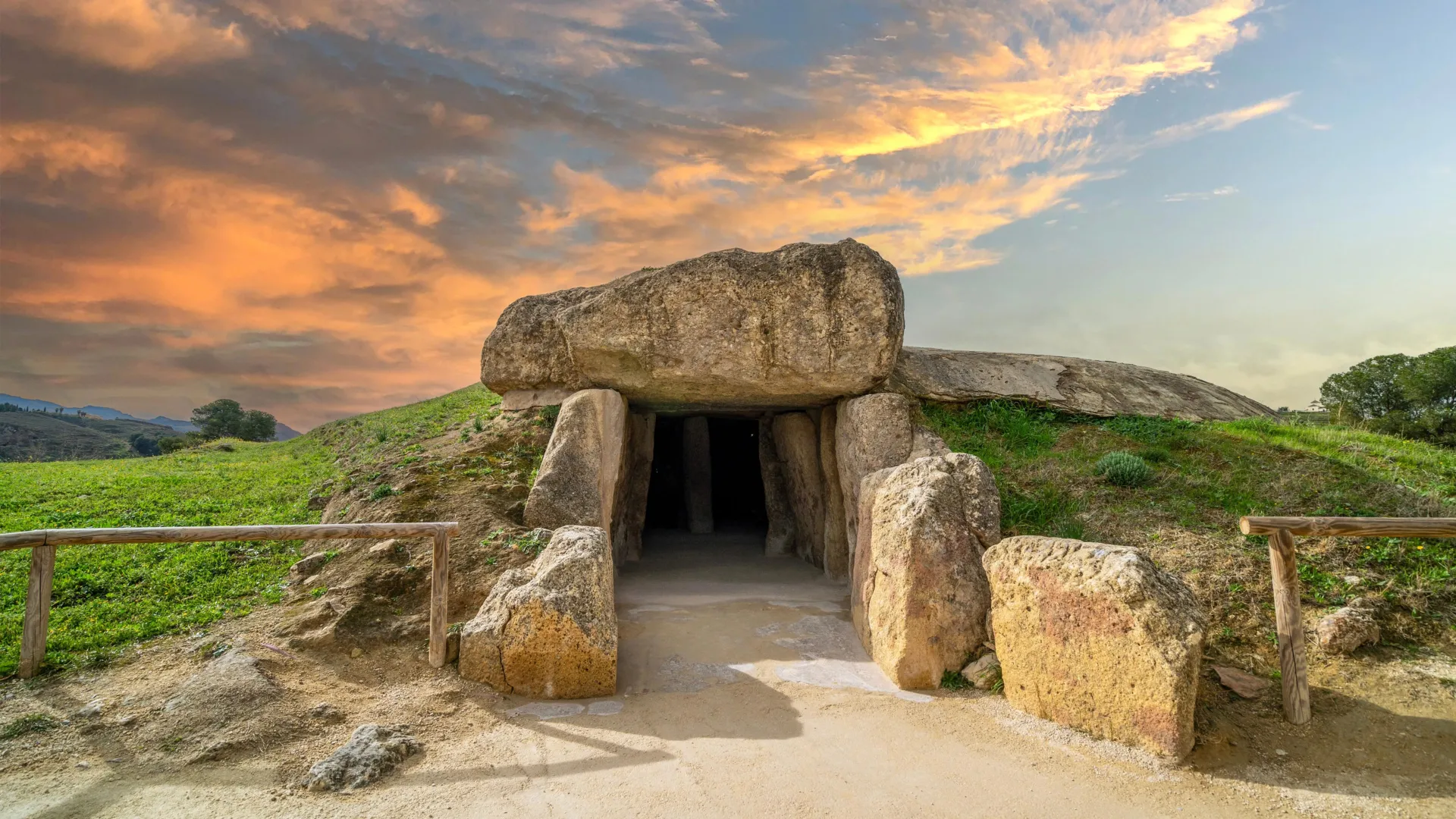
Ancient DNA from a 5,000-year-old tomb north of Paris indicates that one Neolithic population largely vanished and was followed by migrants from farther south, according to a study published in Nature Ecology & Evolution. The finding matters because the shift occurred around the time communities stopped building many of Europe’s large stone monuments, researchers at the University of Copenhagen said.
The study examined genetic material from 132 people buried in a large megalithic tomb near Bury, about 50 kilometers north of Paris, according to the university. Researchers found that the site was used in two separate periods, with a sharp population decline around 3000 BC dividing them.
Frederik Valeur Seersholm, an assistant professor at the Globe Institute at the University of Copenhagen and a lead author of the study, said the DNA showed a clear break between the two burial phases. The earlier people resembled Stone Age farming groups from northern France and Germany, while the later burials had strong genetic ties to southern France and the Iberian Peninsula, he said.
According to the research team, the two groups were not close genetic relatives. That pattern led the authors to conclude that the first local population contracted severely before new groups moved north and settled in the Paris Basin.
Disease was present, but not the whole explanation
To look for causes of the decline, the researchers analyzed all genetic material preserved in ancient bones, the University of Copenhagen said. That approach found evidence of several pathogens, including Yersinia pestis, the bacterium that causes plague, and Borrelia recurrentis, which causes louse-borne relapsing fever.
Martin Sikora, an associate professor at the University of Copenhagen and the study’s senior author, said the data confirmed the presence of plague but did not support plague as the only cause of the collapse. He attributed the decline to a likely combination of disease, environmental stress and other disruptive events.
The skeletal evidence also pointed to a severe crisis during the earlier burial phase, according to the researchers. Laure Salanova, a research director at France’s National Centre for Scientific Research, said the age pattern of the dead was a strong sign of crisis, with unusually high mortality among children and young people.
Burial customs also changed
The genetic work suggests the population shift came with new social practices, the researchers said. In the first phase, the tomb held several generations of extended families, a pattern the study linked to closely connected groups burying relatives in the same place over time.
In the later phase, the burials became more selective and were dominated by one male lineage, according to the study. Seersholm said that change pointed to a different form of social organization after the new population arrived.
The authors said the findings add evidence that the Neolithic population decline extended across parts of northern and western Europe, beyond regions previously studied in Scandinavia and northern Germany. They also said the results may help explain why megalithic tomb building and other monumental stone construction faded in Europe during the same broad period.
Seersholm said the end of those constructions now appears to line up with the disappearance of the people who built them. The study, titled “Population discontinuity in the Paris Basin linked to evidence of the Neolithic decline,” was authored by Seersholm, Sikora and colleagues from several institutions.
This story draws on original reporting from ScienceDaily.