
Radar study links Alaska glacier melt to modest summer warming
Researchers found each 1°C rise in average summer temperature adds about three weeks of melting across Alaska’s glaciers.
By Priya Raghavan · Science Reporter
3 min read
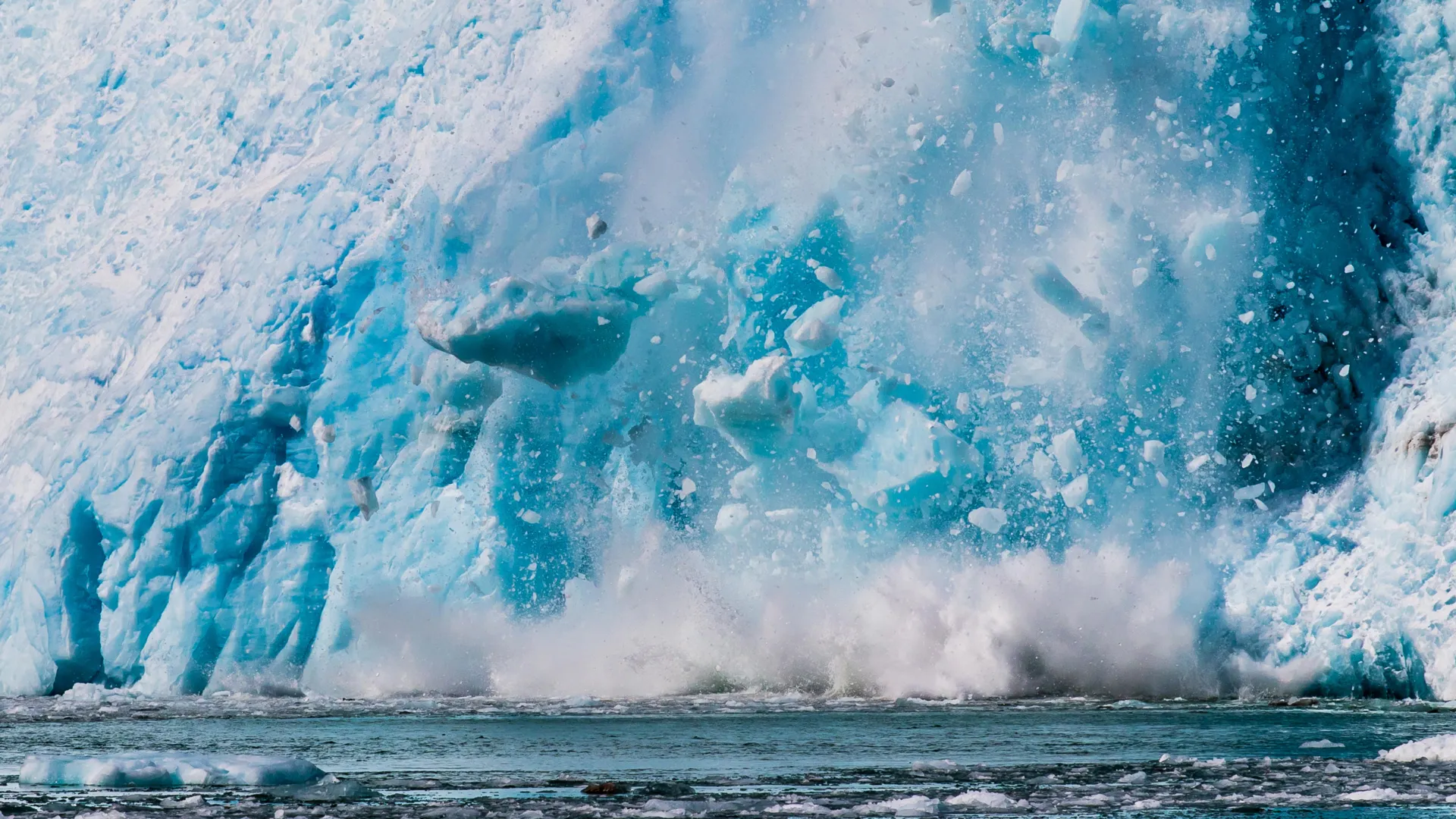
Alaska’s glaciers are melting for longer periods as summer temperatures rise, according to a new satellite radar study from researchers at Carnegie Mellon University and the University of Alaska Fairbanks. The finding matters because longer melt seasons and earlier snow loss can speed the decline of glacier ice across the state.
The study, published in npj Climate and Atmospheric Science, found that each 1 degree Celsius increase in average summer temperature, equal to 1.8 degrees Fahrenheit, is associated with roughly three additional weeks of glacier melting. The research used radar observations to track more than 3,000 Alaska glaciers from mid-2016 through 2024.
Albin Wells, a recent Carnegie Mellon Ph.D. graduate, led the study. Co-authors include Carnegie Mellon assistant professor David Rounce and Mark Fahnestock of the University of Alaska Fairbanks Geophysical Institute, according to the university.
Satellites tracked melt across Alaska
The team used data from Europe’s Sentinel-1 radar satellites to monitor nearly every Alaska glacier larger than about half a square mile. The satellites revisit the same locations every 12 days, allowing researchers to follow changes across the melt season.
The researchers measured “melt days,” a term that can mean a full day of melting across an entire glacier or several days of partial melting that add up to the glacier’s full surface area. More melt days point to a longer melt season, which contributes to greater ice loss, according to the University of Alaska Fairbanks.
The study relied on synthetic aperture radar, or SAR, which sends microwave pulses toward Earth and uses the returning signal to build images. Unlike optical instruments, SAR does not need sunlight and can collect data through cloud cover and darkness.
Fahnestock said optical images can miss the true snowline because clouds, shadows, lighting and new snowfall can obscure the boundary between bare ice and snow. He said Wells’ work made it possible to track glacier surface conditions in a way that could be used broadly.
Heat waves stripped protective snow
The researchers also found that short bursts of extreme warmth can remove much more of the snow that shields glacier ice. During unusually warm periods, glaciers lost up to 28% more protective snow than in typical years at the scale of individual mountain ranges, though the study said that pattern does not apply evenly to every glacier in those regions.
Wells said measuring melt extent and snowline movement is useful because both serve as indicators of glacier mass balance, the difference between snow and ice gained and ice lost over time. He said the temperature links help researchers estimate how much melt and snowline retreat may occur under warmer future conditions.
A snowline separates a glacier’s accumulation zone, where snow adds mass, from its ablation zone, where melting removes snow and ice. When snowlines move higher, more bare ice and firn remain exposed for longer periods.
2019 heat wave showed the risk
The study examined an Alaska heat wave from June 23 to July 10, 2019, that affected every glaciated region of the state except the Brooks Range. The researchers said temperatures in many places ran 20 to 30 degrees above average for nearly two weeks.
The heat wave broke several all-time records, including a 90-degree Fahrenheit reading at Ted Stevens Anchorage International Airport, according to the University of Alaska Fairbanks. Typical summer highs in Anchorage are in the mid-60s.
During that event, glacier snowlines rose nearly 350 feet in elevation, the study found. In an average year, those snowlines would not have reached similar elevations until about two months later, leaving ice and firn exposed longer and increasing ice loss.
The researchers also found differences between coastal glaciers and those farther inland. Wells said coastal-side glaciers in Alaska tend to see more summer melt and more winter accumulation than glaciers on the continental side of mountain ranges, matching earlier understanding of the region.
This story draws on original reporting from ScienceDaily.