
AI model predicts fire resistance in epoxy resins
IMDEA Materials says the tool could speed screening of flame-retardant epoxy materials for uses from electronics to aircraft interiors.
By Lucas Ferreira · Science & Environment Writer
3 min read
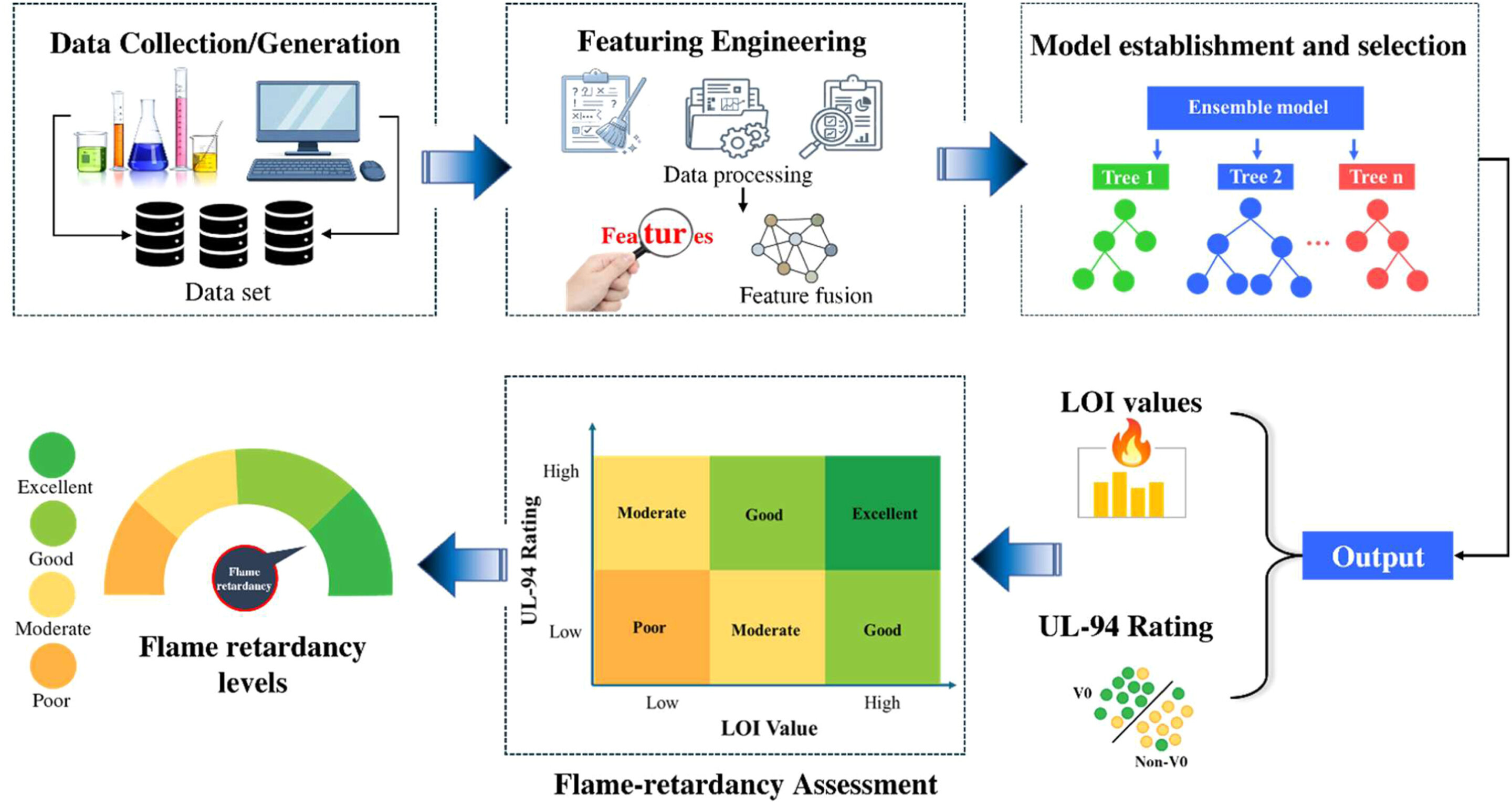
Researchers at IMDEA Materials Institute have developed an artificial intelligence system to predict how well epoxy resins resist fire. The work matters because epoxy materials are common in industry, but their flammability can restrict their use in safety-sensitive products, according to IMDEA Materials.
The system is described in a study published in Polymer Degradation and Stability. IMDEA Materials said the approach is intended to reduce the slow and costly cycle of designing, making and testing flame-retardant materials in the laboratory.
Epoxy resins are used in construction, vehicles, electronics and aerospace applications, according to the institute. To make those polymers safer, manufacturers can add flame-retardant compounds. The IMDEA Materials team focused on phosphorus-based flame retardants, which the institute described as promising safer alternatives because they do not contain halogens.
Qiong Tan, a Marie Skłodowska-Curie Actions postdoctoral researcher at IMDEA Materials, said conventional development of flame retardants depends on design, synthesis and lab testing that can be slow, expensive and affected by test conditions. Tan said the team built a machine-learning model using data from 510 epoxy composite samples containing phosphorus-based flame retardants.
According to Tan, the model evaluates the molecular structure of the flame retardant, the resin formulation and other variables. It then predicts two fire-performance measures: the UL-94 vertical flammability rating and the Limiting Oxygen Index.
The UL-94 vertical flammability test classifies polymer materials after exposure to a standardized ignition source, using factors such as afterflame time, afterglow time and whether burning material drips. The Limiting Oxygen Index measures the minimum oxygen concentration in an oxygen-nitrogen gas mixture needed to sustain burning under specified conditions.
Tan said using both measures gives a more complete and reliable view of how a material behaves in fire. IMDEA Materials said the study’s main addition goes beyond prediction: the team created an assessment framework that turns AI outputs into a single classification system.
That framework places materials into four performance levels: excellent, good, moderate or poor, according to IMDEA Materials. The institute said the categories are meant to give engineers and materials designers clearer guidance when comparing candidate polymers and deciding which ones deserve further attention.
IMDEA Materials said the model has been validated with external case studies, showing robustness and practical use. The institute did not describe the case studies in detail in its announcement.
The work was carried out through IMDEA Materials’ High-Performance Polymers and Fire Retardants Research Group, led by Prof. De Yi Wang. The institute said the group plans to broaden the database to cover other polymers and flame retardants.
Tan said possible applications include safer electronic components, electric vehicle batteries, aircraft interiors and construction materials. The study, by Qiong Tan and co-authors, is titled “Data-driven prediction and non-compensatory assessment of flame retardancy in phosphorus-containing flame-retardant epoxy resin.”
This story draws on original reporting from Phys.org.