
African mines linked to forest loss up to 20 km away
A new study says mining in sub-Saharan Africa drives far more deforestation beyond mine sites than inside them, raising risks tied to critical mineral demand.
By Tom Brennan · Health & Medicine Correspondent
3 min read
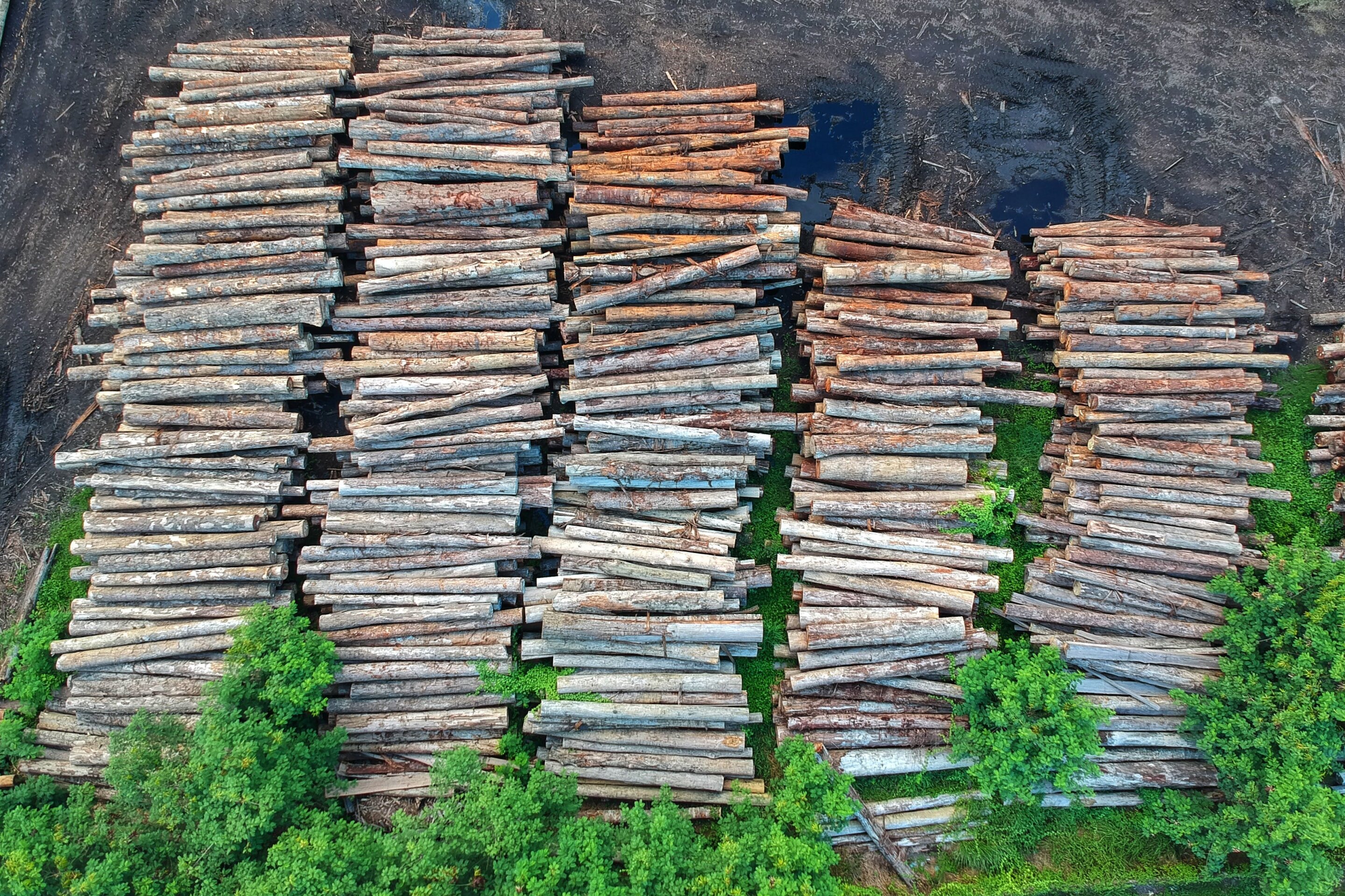
Mining in sub-Saharan Africa is clearing forests far beyond the boundaries of mine sites, according to a new study cited by researchers Oscar Morton and Chris Bousfield in The Conversation. The findings matter because demand for minerals used in electric vehicles, wind turbines and solar panels is rising while many deposits sit beneath biodiverse forests.
The researchers said they used satellite data to identify 16,627 mining areas across the region and tracked nearby land changes from 2001 to 2020. They compared active mining areas with similar places that had not yet been mined but later would be, a method they said helped isolate forest loss tied to the arrival of mining rather than other pressures such as farming.
The study found that 187,000 hectares of African forest were converted directly into mine sites over the 20-year period. That equals 0.03% of Africa’s forests, the researchers said, and covers an area roughly comparable to Mauritius.
But the mine footprint was only a small part of the damage identified in the study. For each hectare of forest cleared inside a mine’s immediate boundary, the researchers found an additional 34 hectares were lost in the surrounding area.
Roads, settlements and farms extend the damage
The researchers attributed the wider forest loss to development that follows mines, including roads, new settlements, worker inflows and farming that expands to serve mining communities. They said elevated deforestation continued as far as 20 kilometers from a mine and lasted for more than 10 years after operations began.
Within 1 kilometer of a new mine, the local rate of forest loss rose by an average of 8 percentage points compared with similar unmined areas, according to the study. The researchers said the pattern may reflect both mine expansion along ore deposits and the growth of long-term communities around mines.
The effect varied by mineral and country. In the Democratic Republic of Congo, where the researchers said half of the world’s cobalt is found, the additional forest-loss multiplier reached 58 hectares for each hectare cleared at the mine itself. Mines extracting cobalt and copper, both central to low-carbon energy technologies, were linked to the highest rates of extra deforestation, while iron ore mines had the broadest reach, with forest loss extending up to 20 kilometers away.
The International Monetary Fund has estimated that sub-Saharan Africa holds about 30% of the world’s proven critical mineral reserves. The researchers also cited figures showing the region contains large shares of global platinum, chromium, manganese and cobalt reserves.
Demand is expected to grow sharply. The researchers cited International Energy Agency projections that demand for energy-transition minerals such as copper and cobalt could rise 40-fold by 2040.
Researchers call for wider mine reviews
Morton and Bousfield said governments should require environmental impact assessments to account for forest loss caused beyond mine sites, including roads, settlements, population growth and new agriculture. They said current rules vary widely, with some assessments covering only about 1 kilometer beyond a proposed mine, or less in Côte d’Ivoire, while Botswana applies broader reviews in some cases, especially where mines could affect groundwater.
The researchers said reviews should give extra attention to proposed mines near protected areas or Indigenous territories, where access roads and settlement growth could create wider pressure on forests. They also called for mining projects to state how they will reduce those risks before work begins.
They urged international buyers, technology manufacturers and automakers to audit the environmental effects of mineral suppliers, comparing the idea with zero-deforestation rules used in some agricultural and meat supply chains. They also said unregistered, small-scale and artisanal mines remain a serious gap because many operate outside environmental and safety rules.
Wealthier countries that drive mineral demand should help producing nations enforce environmental laws and invest in mineral recycling, the researchers said. Without those steps, they warned, the shift to cleaner energy could come with avoidable forest loss in some of Africa’s most sensitive ecosystems.
This story draws on original reporting from Phys.org.