
Reflecting Pool bloom highlights wider freshwater risk
A cyanobacteria bloom in Washington points to conditions that researchers say are making harmful algal outbreaks more likely in U.S. waters.
By Tom Brennan · Health & Medicine Correspondent
4 min read
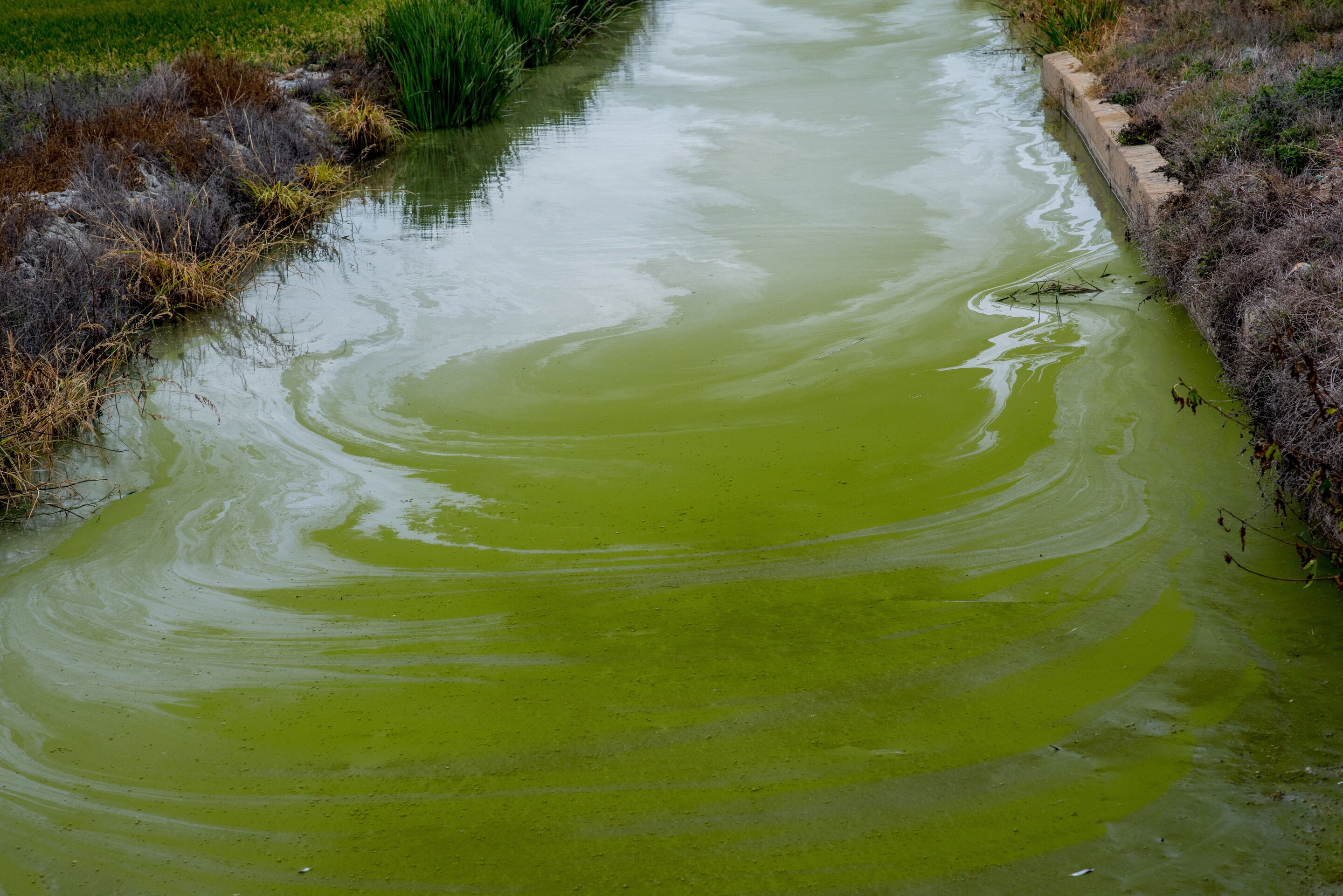
A bright green bloom in the Lincoln Memorial Reflecting Pool has put a visible spotlight on a growing freshwater problem. Tufts University environmental engineer Steven Chapra says the Washington case shows how heat, sunlight and nutrient pollution can combine to fuel cyanobacteria, some of which can produce toxins harmful to people, pets and wildlife.
The bloom drew national attention after green water appeared in the newly renovated pool. Chapra, a research professor and Louis Berger Chair in Civil and Environmental Engineering, Emeritus, at Tufts University School of Engineering, said the pool has several features that favor fast growth: shallow water, little circulation, full sun and nutrient-rich water supplied from the Potomac River through the Tidal Basin.
Chapra also pointed to the pool’s dark-blue bottom, which he said can absorb heat during the day and release it at night. Warmer water helps cyanobacteria and green algae reproduce faster, he told Tufts.
Why the bloom formed
Chapra said the Reflecting Pool has had some green algae on its bottom before, but the recent bloom reached the surface. He attributed the change mainly to enough phosphorus and nitrogen in the water to support rapid algal growth.
Cyanobacteria, often called blue-green algae, occur widely in aquatic systems, according to Chapra. Blooms develop when those organisms encounter the right mix of warm temperatures, sunlight and nutrients.
Shallow, calm waters are especially vulnerable, Chapra said. He cited golf course ponds as a common example because warm still water can receive nutrients from fertilizer runoff or animal waste.
Climate adds pressure
Chapra led a 2017 study in Environmental Science & Technology that projected climate change could raise harmful algal blooms in the contiguous United States to between two and more than five times their then-current level. The study predicted the largest increases in the Northeast, according to Tufts.
Chapra said warming gives cyanobacteria several advantages over other organisms. They grow well in warmer water, are not a preferred food for many zooplankton, and can float to the surface where they receive more light while shading competitors below.
Longer warm seasons also widen the bloom window, according to Chapra. In some regions, he said, blooms that once appeared in September can now begin as early as April and continue into October.
Health and water-supply risks
Not every cyanobacteria bloom is toxic, but Chapra said many cyanobacteria can release toxins that affect the liver or nervous system. Exposure can occur through contaminated drinking water or contact with affected water, and dogs are at particular risk because they may swallow water while playing.
Blooms can also interfere with recreation by creating surface scums that discourage swimming, boating and fishing, Chapra said. They can damage aquatic food webs because most zooplankton and small fish do not eat cyanobacteria.
Chapra said the issue increasingly affects drinking water as well as lakes used for recreation. In 2014, nearly 500,000 people in Toledo, Ohio, were told not to drink tap water after toxins from a Lake Erie algal bloom contaminated the local supply, according to Tufts.
Researchers have estimated that lakes and reservoirs serving tens of millions of Americans may periodically contain algal toxins, Tufts reported. Utilities facing toxic blooms may need more expensive treatment or may temporarily stop using affected water sources.
Possible fixes
For the Reflecting Pool, Chapra said an environmental engineer could address the problem without major difficulty or expense. He said recirculating and filtering the water could reduce nutrients, and that the system could be designed without jets strong enough to disturb the pool’s reflective surface.
Chapra also said repainting the bottom a lighter color would make blooms less likely. For broader prevention, he urged reducing nitrogen and phosphorus runoff by avoiding overfertilizing, not applying fertilizer before heavy rain, cleaning up dog waste, and using native plants or rain gardens to absorb stormwater.
He also advised people to avoid water that is bright green, scummy or foul-smelling, keep children and pets away from it, and report suspected blooms to local environmental or public health officials.
This story draws on original reporting from Phys.org.