
Study links tourist site animal contact to parasite exposure risk
Researchers studying a Kathmandu temple found that contact among visitors, dogs and macaques may create openings for parasites to move between species.
By Priya Raghavan · Science Reporter
3 min read
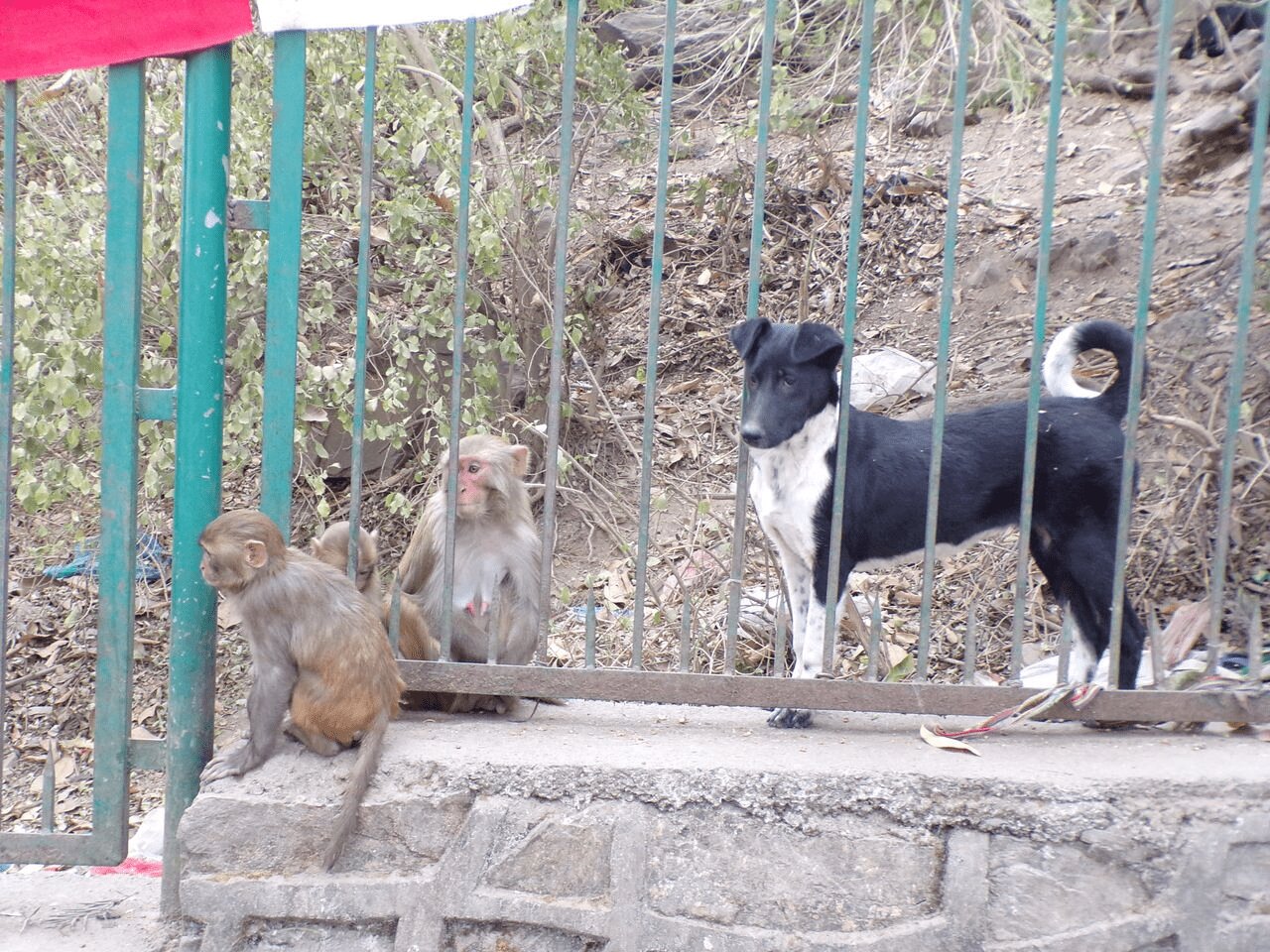
An international research team has found that busy urban tourist sites where people, free-roaming dogs and wildlife share space may create new chances for parasites to spread between species. The findings matter for city health planning because tourism, animal feeding and poor hygiene can bring humans and animals into close contact in places with heavy foot traffic.
The study, published in Parasitology, examined the UNESCO-listed Swayambhunath Temple in Kathmandu, Nepal. The University of Lincoln said researchers focused on the site because visitors, dogs and macaques live or gather there in close proximity.
The work was carried out with Tribhuvan University in Nepal, Nottingham Trent University, Keele University and the University of Lincoln. According to the University of Lincoln, the team combined behavioral observations, parasite testing and questionnaires from visitors to assess how transmission could occur in a shared urban setting.
Parasites found across species
The researchers detected parasites in humans, dogs and macaques at the site, the University of Lincoln said. Among them were Entamoeba species described by the researchers as having zoonotic potential, meaning they may be capable of moving between animals and people.
Macaques showed the widest range of parasites, according to the study summary released by the University of Lincoln. The researchers reported that transmission risk appeared to depend on more than distance between species, with social behavior, stress and contamination in the environment also playing roles.
Dr. Laëtitia Maréchal, an associate professor at the University of Lincoln and a co-author of the study, said the research shows that ordinary behavior in crowded tourist areas can affect infection risk for both people and animals. She cited actions such as feeding monkeys or spending time near free-roaming animals as examples of interactions that can create opportunities for parasites to cross species boundaries.
Human behavior part of the risk
The study points to wildlife feeding and poor hygiene as behaviors that may raise the chance of parasite exposure, according to the University of Lincoln. Researchers said the findings support health management that looks at human activity, animal behavior and environmental conditions together rather than treating each factor separately.
Dr. Stefano Kaburu, a senior lecturer in conservation biology at Nottingham Trent University and a co-author of the study, said expanding urban areas are increasing contact among humans, domestic animals and wildlife. He said that pattern can make cities important places for parasite transmission across species.
Kaburu said the findings also suggest that macaques and dogs can serve as reservoirs and warning indicators for parasite exposure. According to the University of Lincoln, the study indicates that human activities can increase risk both by creating exposure and by changing animal behavior and stress levels.
The published paper is titled “Parasite transmission risk at the urban human-dog-macaque interface.” The listed authors include Anisha K C and colleagues, and the paper carries the DOI 10.1017/S0031182026102339.
This story draws on original reporting from Medical Xpress.