
Studies link X chromosome silencing failures to lupus mechanisms
Two Cell Reports papers from a University of Pennsylvania-led team examine how B cells maintain X chromosome inactivation and how disruption may worsen lupus-like disease.
By Tom Brennan · Health & Medicine Correspondent
3 min read
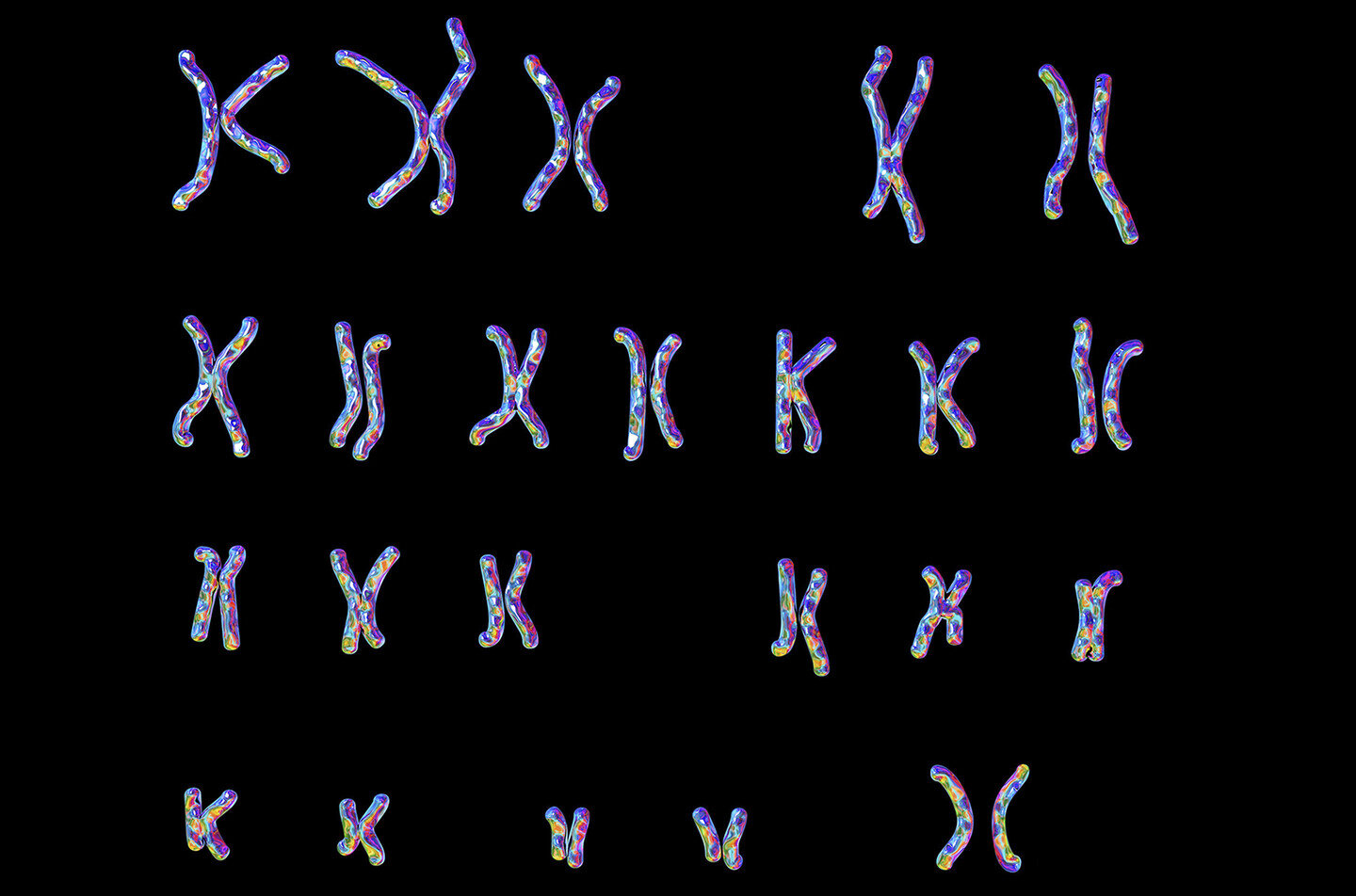
Two new studies report that faulty maintenance of a normally silenced X chromosome in B cells may help explain why systemic lupus erythematosus occurs more often in women. The findings matter because they point to a sex-linked mechanism in immune cells that could contribute to autoimmune disease.
The work, led by Montserrat Anguera of the University of Pennsylvania School of Veterinary Medicine and published in Cell Reports, focuses on X chromosome inactivation, the process that limits gene activity from one of the two X chromosomes in XX individuals. Systemic lupus erythematosus, the most common form of lupus, has been associated with having multiple X chromosomes, according to the University of Pennsylvania.
In most mammals, XX individuals typically develop as female and XY individuals typically develop as male. Because the X chromosome carries many more genes than the Y chromosome, one X chromosome in XX cells is largely shut down early in development, according to the university.
That shutdown is maintained in part by Xist RNA, which helps place molecular signals that compact and silence the inactive X chromosome. The process is incomplete and dynamic: some genes can escape silencing, and cells must continue preserving the inactive state over time.
B cells are a central focus because the X chromosome contains a large share of immune-related genes, Anguera said. She said overexpression of the immune receptor TLR7 can contribute to lupus development.
Anguera’s group previously observed that B cells from experimental lupus models and from female patients with systemic lupus erythematosus show misplaced Xist RNA and abnormal expression of genes tied to the X chromosome. Anguera said circulating B cells from female lupus patients show signs that X chromosome inactivation is not being properly maintained.
Different rules in B cells
In one Cell Reports paper, Natalie E. Toothacre and colleagues studied how inactive X chromosomes are maintained in naive B cells and activated B cells. The team examined whether silencing marks and signals depend on Xist RNA.
The researchers found that naive B cells lacked some features usually associated with X chromosome silencing but kept other marks that preserve a memory of earlier gene shutdown. After B cells were activated, other common inactivation marks returned, the study found, though through a mix of Xist-dependent and Xist-independent mechanisms.
Anguera said the work shows that B cells use pathways for X chromosome inactivation that differ from those used by other body cells. She said the results may guide further studies of gene control in B cells and its role in autoimmunity.
Deleting Xist worsened lupus-like disease
In a second Cell Reports paper, Claudia D. Lovell and colleagues tested what happens when Xist is removed from B cells. The study found that disrupting X chromosome inactivation maintenance by deleting Xist can trigger and worsen lupus-like disease in preclinical models.
Anguera said Xist deletion changed B cell function, especially under chronic inflammatory conditions. She said the work offers a pathogenic mechanism that may help account for the strong female bias seen in systemic lupus erythematosus.
The published studies are titled “Xist RNA dependent and independent mechanisms regulate dynamic X chromosome inactivation in B lymphocytes” and “Female mice with a Xist deletion in B cells can develop lupus-associated phenotypes.” Both appeared in Cell Reports in 2026.
Anguera said the team next plans to study other autoimmune diseases that occur more often in women to see whether they also show impaired X chromosome inactivation maintenance. The researchers also plan to test whether Xist RNA has roles in other immune cell types.
This story draws on original reporting from Medical Xpress.